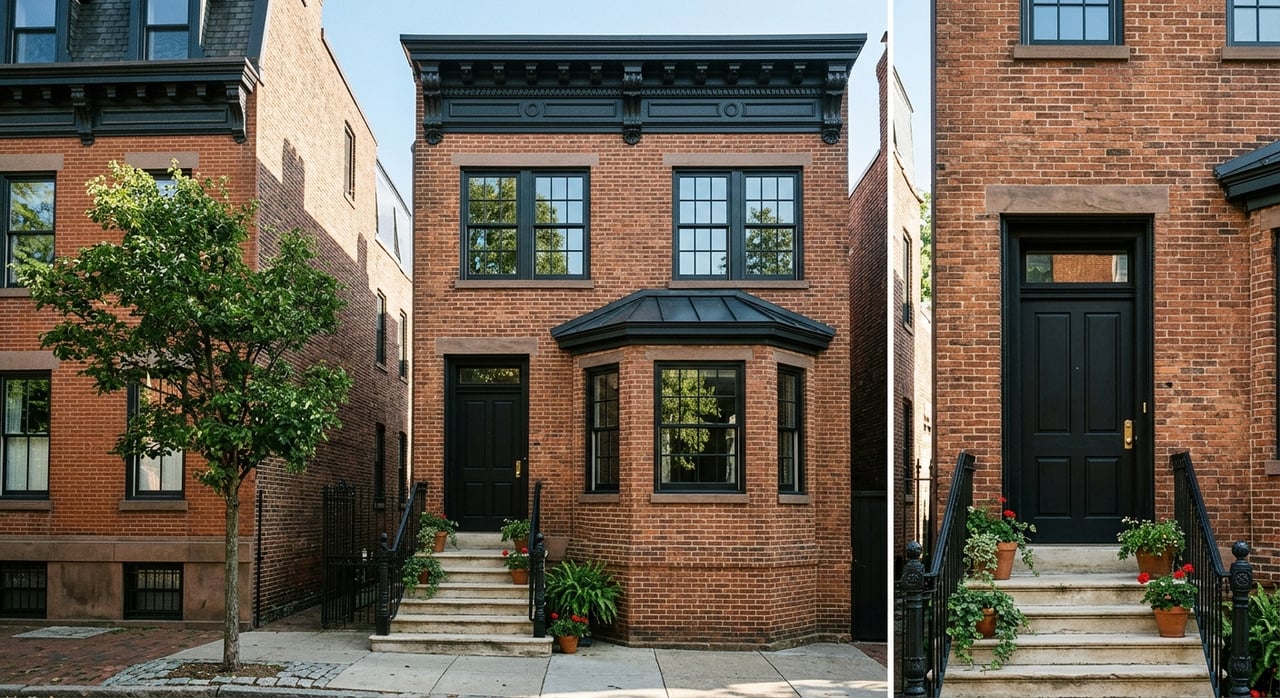
Buying A Historic Rowhouse On Capitol Hill
July 9, 2026
July 9, 2026
Thinking about buying a historic rowhouse on Capitol Hill? It is easy to fall for the brick facade, tall windows, and classic details, but these homes come with a different set of rules, repairs, and costs than a newer property. If you want the charm without unpleasant surprises, it helps to know what to look for before you write an offer. Let’s dive in.
Capitol Hill Historic District is one of the largest and most visually coherent historic districts in the country. It was designated locally in 1973 and added to the National Register in 1976, with a period of significance that now spans 1791 to 1945.
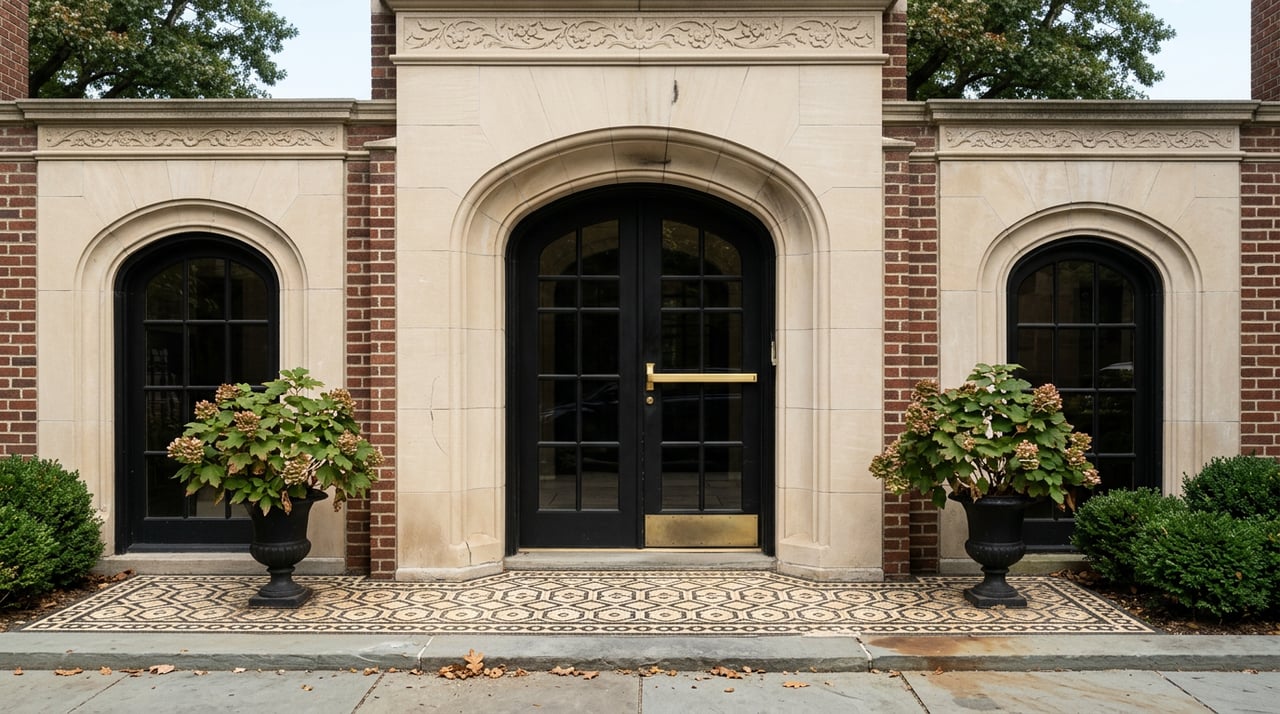
Most of the rowhouses you will see were built from about 1885 to 1935, with much of the construction happening between 1885 and 1909. These homes were often built in groups and range from simple two-story flat-front houses to more detailed homes with bays, mansard roofs, and decorative styles like Queen Anne, Romanesque, and later Classical Revival.
That history affects what you are buying today. Many of these homes are narrow, exterior-focused properties with alley-oriented rear access and limited flexibility for major visible exterior changes.
Buying in a historic district does not mean you cannot update your home. It does mean that certain exterior changes may be reviewed through Washington, DC’s preservation process when a building permit is required.
In general, interior alterations are usually not subject to historic preservation review unless they involve a designated historic interior. For many buyers, that means floor plan changes may be more flexible than exterior changes.
Work that often does not require preservation review includes ordinary maintenance, painting, gutters and downspouts, and window repair when no building permit is needed. By contrast, larger exterior projects can trigger review, especially if they affect the character or visibility of the property.
Before you buy, it is smart to think beyond the listing photos and ask what changes you may want to make. If your wish list includes major exterior work, you will want to understand how that may fit within the historic review process.
Projects that commonly require review include:
DC also publishes design guidance for issues that matter a lot to rowhouse buyers, including windows, roofs, walls and foundations, porches and steps, basement entrances and windows, and roof decks and additions. These are some of the first areas worth reviewing during your due diligence.
Brick rowhouses can age beautifully, but masonry problems are often tied to moisture. According to the National Park Service, mortar joints are often where deterioration shows up first.
That does not mean repointing is always the first fix. Leaking roofs, failing gutters, downspout issues, settlement, capillary rise, and weather exposure can all be part of the problem, and those causes should be addressed before repointing work begins.
This matters because repointing can be expensive and time-consuming. It also requires skilled masons and careful judgment, so a general assumption that “the brick just needs a touch-up” can lead to underestimating the real scope of work.
Historic windows are a common concern for buyers who want better comfort and efficiency. In many cases, repair should be the starting point rather than full replacement.
National Park Service guidance supports repairing deteriorated historic features whenever possible. It also notes that weatherstripping, glazing work, sash repair, and storm windows can improve performance without changing the character of the home.
If replacement becomes necessary, the new window should match the original in design, color, texture, and, where possible, materials. If you are comparing homes, ask whether the windows have been repaired, replaced, or modified, and whether that work aligns with historic expectations.
Because most Capitol Hill rowhouses were built before 1978, lead-based paint is a routine issue to consider. Federal rules generally require buyers of most pre-1978 housing to receive a lead disclosure pamphlet and any known lead information before closing.
Lead concerns are especially important if you plan to renovate soon after purchase. EPA recommends hiring a certified lead inspector or risk assessor, particularly before disturbing painted surfaces.
Asbestos can also appear in older homes. It has been used in materials such as insulation, floor and ceiling tiles, roofing shingles, siding shingles, and pipe wrap, and the only way to confirm its presence is through testing by a properly trained and accredited asbestos professional.
Older homes are often draftier than newer construction, but quick fixes are not always the best fixes. Historic buildings need weatherization choices that improve comfort without trapping moisture or damaging older materials.
The National Park Service notes that air infiltration often happens through cracks and holes in the building shell. It also says that historic windows and doors can often be repaired or upgraded and that insulation decisions should be made carefully.
Moisture is the big concern here. If insulation or air sealing is handled poorly, moisture can reduce performance and contribute to structural damage over time.
One of the biggest mistakes buyers make with a historic rowhouse is treating major exterior work like a one-time cost. Ownership usually involves ongoing maintenance, specialized repairs, and more planning than you would expect in a newer home.
Your budget may need to account for:
That does not mean a historic home is the wrong choice. It means the financial plan should reflect the reality of the property, especially if the house needs exterior work, window repairs, or roof and drainage improvements.
Some owner-occupants may qualify for help through DC’s Historic Homeowner Grant Program. The program can provide up to $50,000 for eligible exterior and structural repair work.
To qualify, homeowners must meet program requirements that include living in the property as a primary residence, receiving the Homestead Deduction, maintaining a compliant Clean Hands Certificate, and having household income under 120% of area median income. Eligible work can include items such as windows, doors, porches, stairs, roofs, siding, and trim.
The program does not cover HVAC, plumbing, interior finishes, or new additions. If you think this may matter to your purchase decision, it is worth reviewing early as part of your long-term ownership plan.
A beautiful rowhouse can still be the right home for you, but you will want to go in with a clear process. A little extra due diligence upfront can save you a lot of stress later.
Here are a few smart steps to take:
If you love Capitol Hill architecture, this kind of prep is not meant to scare you off. It is what helps you buy with confidence.
Historic rowhouse purchases often involve more moving parts than a typical home search. You are not just evaluating layout and location. You are also weighing preservation rules, repair strategy, inspection scope, and long-term upkeep.
That is where experienced, hands-on guidance can make a real difference. When you have the right support, you can balance charm, budget, and future plans with fewer surprises.
If you are considering a historic rowhouse in DC and want practical, clear advice through the buying process, Capitol Z Homes is here to help.
Trust, Reliability and Knowledge. We are very passionate about the relationships we build and will always work relentlessly on your behalf to help you achieve your real estate goals.