Rowhouse Or Condo Living In Georgetown
June 11, 2026
June 11, 2026
If you are torn between a rowhouse and a condo in Georgetown, you are not alone. Both options put you close to one of DC’s most walkable, visually distinct neighborhoods, but they can shape your daily routine in very different ways. Understanding how each ownership style feels in real life can help you choose with more confidence. Let’s dive in.
Georgetown sits in Northwest DC, bordered by the Potomac River to the south, Rock Creek to the east, and Georgetown University to the west. It is known for its historic setting, busy retail corridors, and strong access to outdoor spaces.
Your day-to-day life here often centers on places that are close together. M Street and Wisconsin Avenue form the neighborhood’s main shopping and dining core, while Georgetown Waterfront Park, the C&O Canal, and the Capital Crescent Trail add easy options for walking, biking, and quick outdoor breaks.
One practical detail matters for many buyers: Georgetown does not have its own Metro station. The closest rail access is generally Foggy Bottom-GWU or Rosslyn across Key Bridge, so your routine may lean more on walking, biking, rideshare, or bus service than in some other DC neighborhoods.
Georgetown is not just old. It is part of a historic district with a long preservation framework that affects how properties are maintained and updated from the outside.
The District created the Georgetown Historic District in 1950, and it was the first historic district in Washington. Because it predates DC’s broader historic preservation law, many exterior changes go through a separate Georgetown review process.
That context matters whether you buy a rowhouse or a condo. In both cases, you are living in a neighborhood where architecture, materials, and exterior details can carry more rules and more review than you may expect elsewhere.
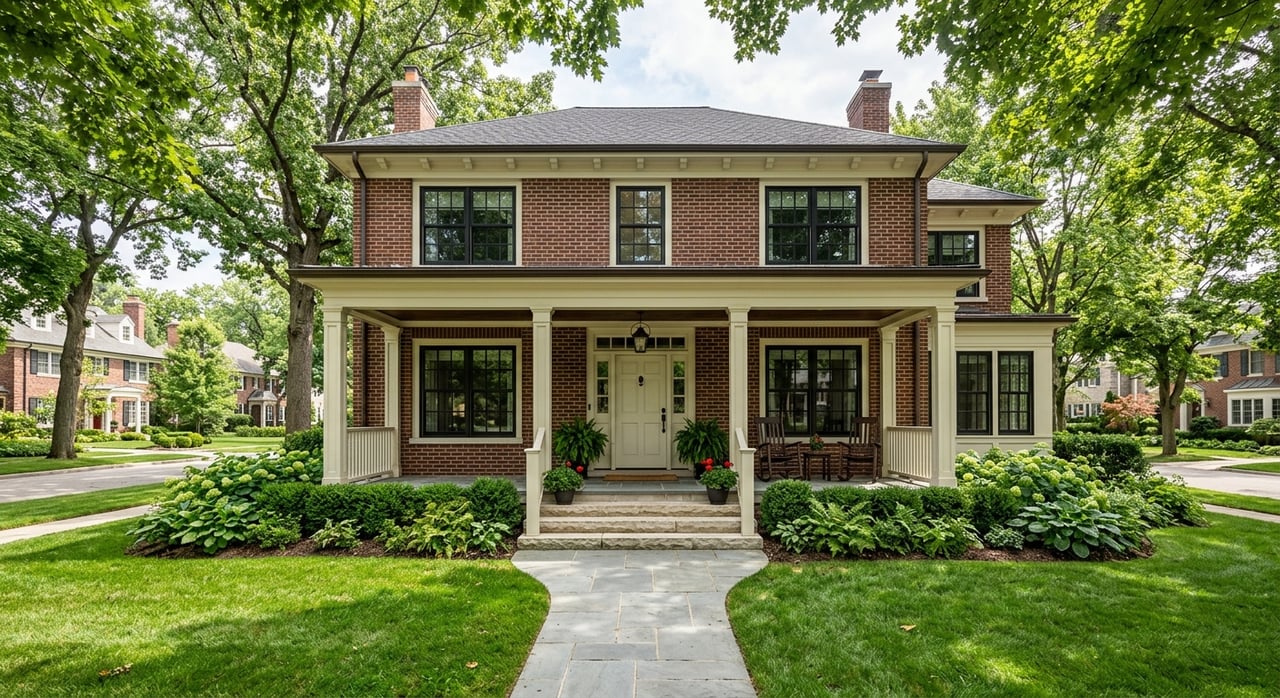
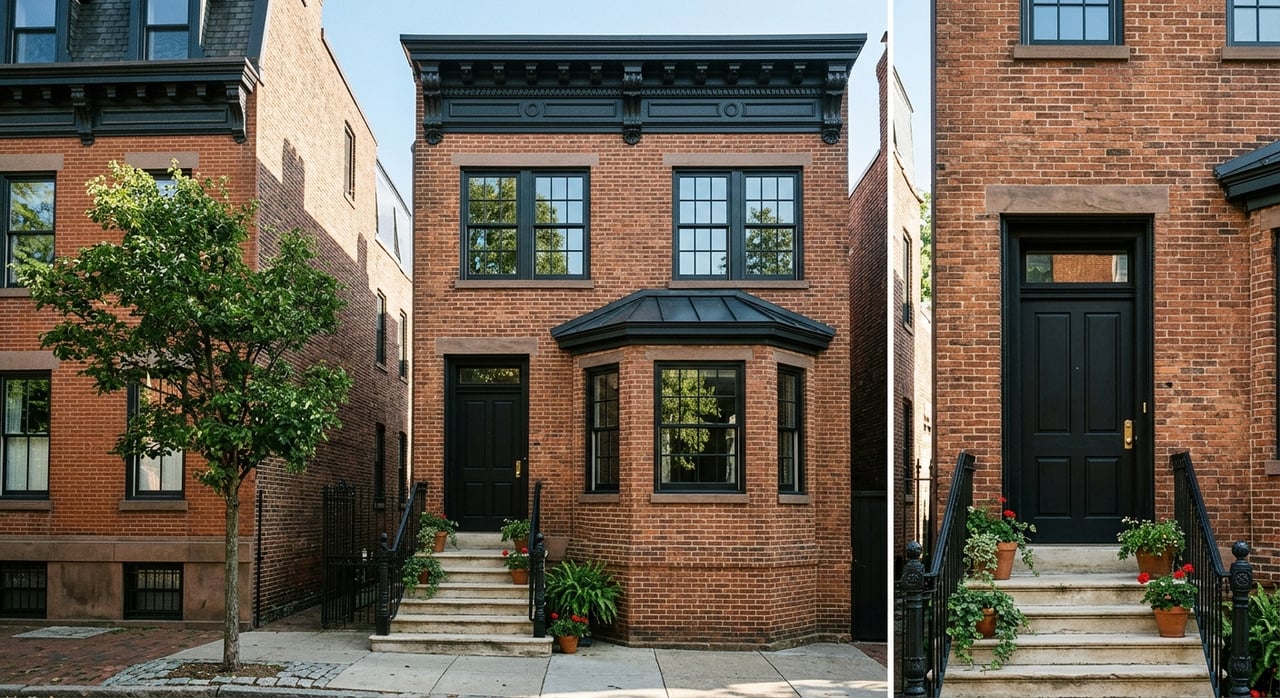
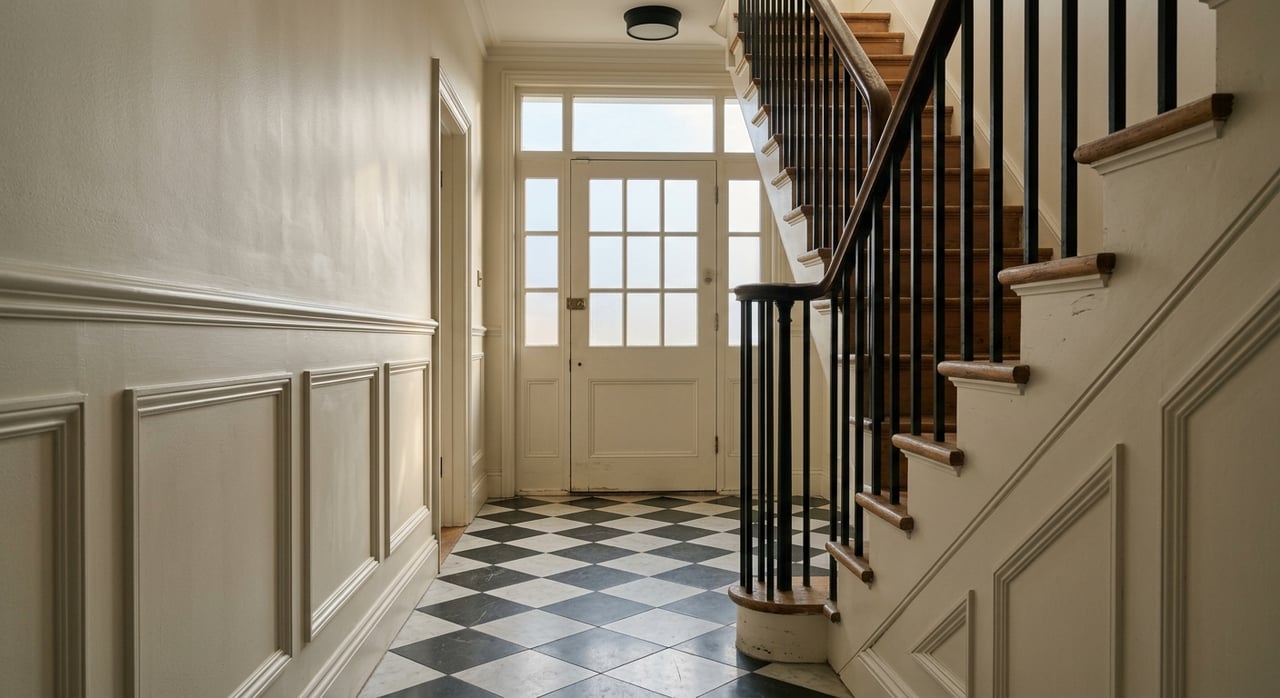
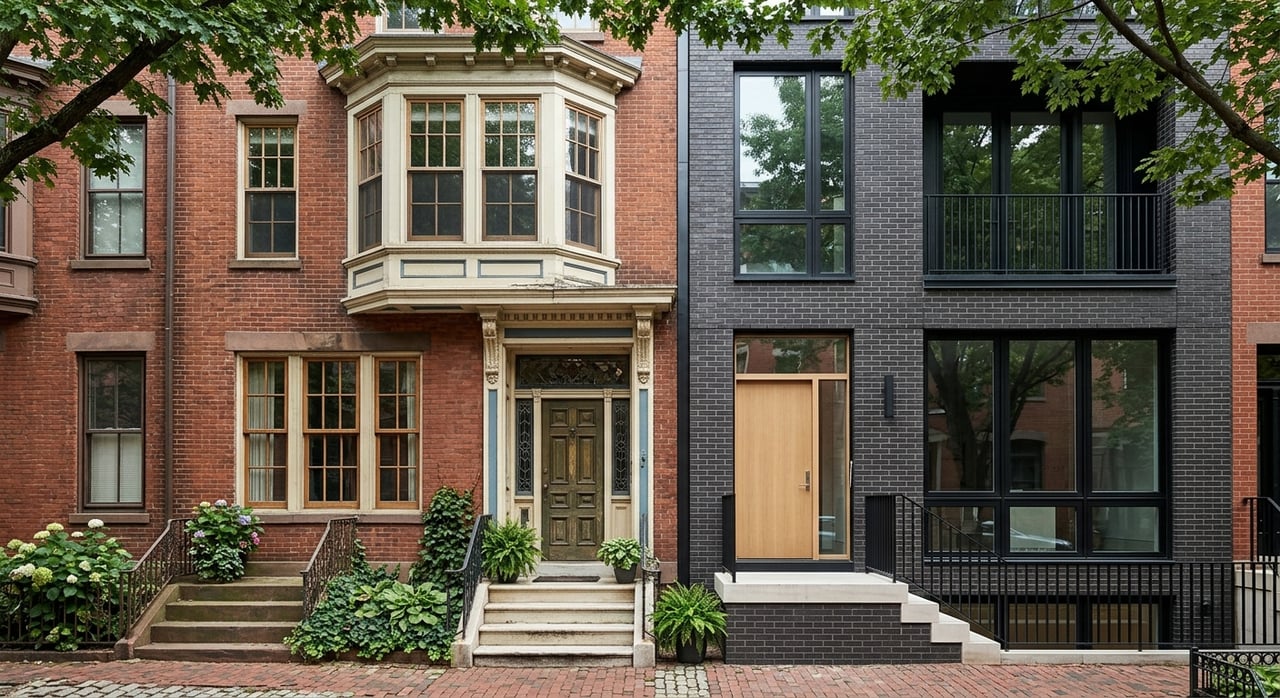
A rowhouse is an attached home connected on one or both sides to neighboring homes. The National Park Service describes historic rowhouses as homes that often use a side hall and stair layout, with public rooms on the main level and bedrooms upstairs.
In everyday terms, that usually means a rowhouse feels more like a traditional house than a condo. Your rooms are often spread across multiple levels, and your routine may involve more trips up and down stairs throughout the day.
That vertical layout can be part of the appeal. Many buyers like the sense of separation between living spaces and sleeping spaces, along with the more house-like rhythm that comes from distinct floors and room-to-room flow.
A Georgetown rowhouse may appeal to you if you want more of a standalone-home experience within the city. In many cases, the draw is not just square footage, but how the home lives.
Common reasons buyers prefer rowhouses include:
For some buyers, that ownership experience feels more personal and satisfying. You are not just buying interior space. You are buying into a historic building form that is closely tied to Georgetown’s identity.
That same ownership style usually comes with more responsibility. Because you are closer to the entire building, you are also more likely to manage more building-specific maintenance decisions.
In Georgetown, exterior changes often require extra thought. DC preservation guidance emphasizes maintaining existing materials, and Georgetown has special exterior permit procedures for things like facades, windows, doors, and railings.
That does not mean rowhouse ownership is a bad fit. It means you should be honest about how much hands-on involvement you want with upkeep, repair planning, and preservation-related decisions.
For many buyers, stairs are one of the biggest practical differences. Historic rowhouse layouts often place bedrooms upstairs, which can affect everything from carrying groceries to moving luggage, strollers, or large packages.
If you love the idea of a multi-level home, this may feel normal or even desirable. If you want easier single-level living, it is worth thinking carefully before you fall in love with the architecture alone.
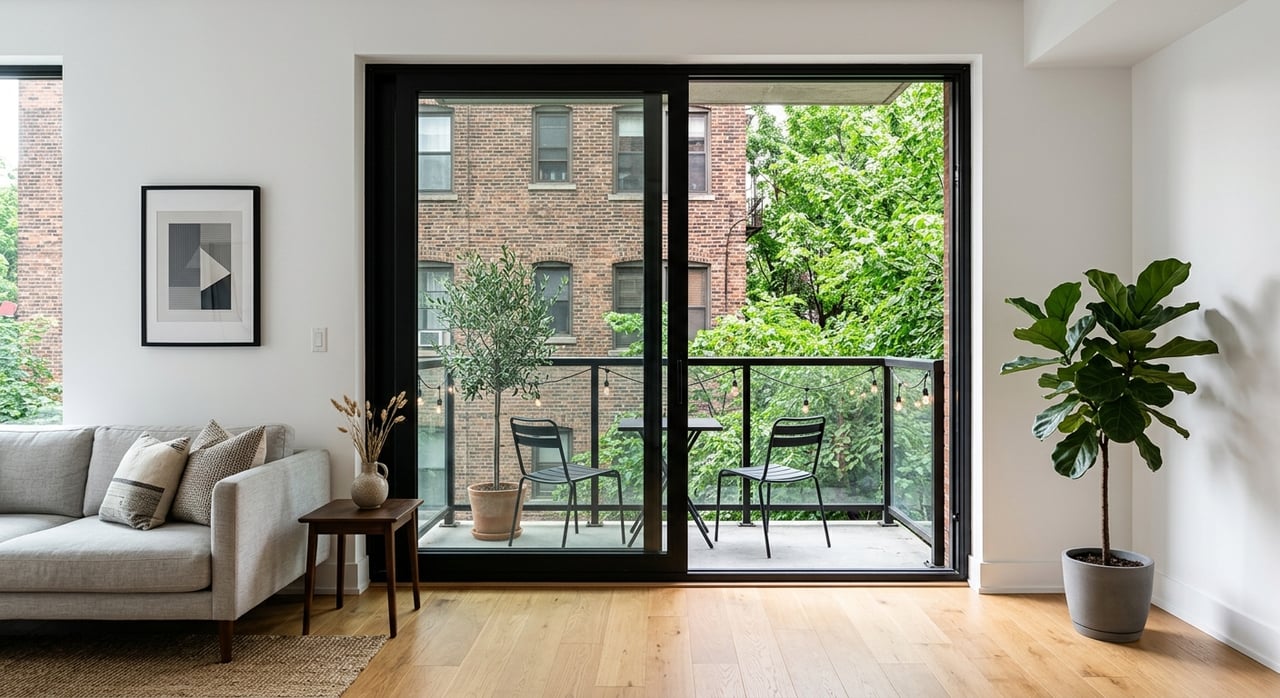
A condo gives you ownership of your individual unit along with a shared interest in common areas. Those common elements can include features such as roofs, main walls, halls, stairways, lobbies, and parking, with owners contributing monthly toward their maintenance and operation.
In day-to-day life, condo ownership often feels simpler on the exterior side. You usually have fewer exterior chores to think about, which can make the home easier to lock up and leave when work or travel pulls you away.
That lower-maintenance routine is one reason many buyers start with condos in Georgetown. The neighborhood’s compact layout supports a lifestyle built around walking, dining, biking, and enjoying the waterfront, rather than spending weekends focused on building tasks.
A condo may be the better fit if you want to spend more time enjoying Georgetown and less time managing the property itself. For many buyers, that convenience is the main benefit.
A Georgetown condo may work well for you if you value:
This can be especially appealing if your ideal weekend includes the waterfront, the towpath, local restaurants, and quick outings on foot instead of home maintenance projects.
Lower maintenance does not always mean lower cost. Condo owners typically pay association dues separately from the mortgage, and those dues support shared expenses and building operations.
Those monthly dues can range widely, from a few hundred dollars to more than $1,000 a month. That is why it helps to think of condo living as lower-maintenance, not automatically lower-cost.
There is also a governance piece to consider. When you buy a condo, some decisions are handled collectively through the association, so you trade some direct control for shared responsibility.
If you are deciding between the two, the best choice often comes down to how you want your home to function day by day. In Georgetown, both options can keep you close to shops, trails, the canal, and the waterfront.
That means the decision is usually less about location and more about lifestyle. Your comfort with stairs, upkeep, shared decision-making, and historic review will often matter more than the address itself.
| Factor | Georgetown Rowhouse | Georgetown Condo |
|---|---|---|
| Daily layout | More vertical, often multi-level | Often more compact and streamlined |
| Maintenance style | More hands-on | More shared through association |
| Exterior decisions | More direct owner involvement, with Georgetown review considerations | More shared through condo structure |
| Monthly costs | Varies by property and maintenance needs | Mortgage plus separate condo dues |
| Lifestyle feel | House-like and independent | Lock-and-leave and convenience-focused |
Before you buy, try to picture a normal Tuesday, not just a perfect Saturday. The right fit often becomes clearer when you think about daily patterns instead of just finishes and charm.
Ask yourself:
Your answers can point you toward the better option faster than square footage alone. In Georgetown, lifestyle fit matters as much as the property type.
A condo may make sense if you want a simpler routine, especially if you are buying your first home, relocating, or looking for a property that feels easier to manage. It can also work well if you want to lean into Georgetown’s walkable, amenity-rich setting.
A rowhouse may make more sense if you want a more traditional home feel and you are comfortable with a more involved ownership experience. If you appreciate architectural character and do not mind a more hands-on relationship with the property, the tradeoff may feel worthwhile.
Neither choice is universally better. The better choice is the one that fits how you live now and how you want to live over the next several years.
If you are weighing Georgetown rowhouse versus condo living, having a local guide can make the decision feel much clearer. The team at Capitol Z Homes can help you compare options, understand how different properties live day to day, and find the right fit for your goals.
Trust, Reliability and Knowledge. We are very passionate about the relationships we build and will always work relentlessly on your behalf to help you achieve your real estate goals.