Thinking about a Logan Circle condo but not sure what it will truly cost each month or what to look for in the building’s paperwork? You are not alone. Between DC transfer taxes, HOA fees, parking, and buyer protections, there is a lot to weigh before you tour. In this guide, you will learn what to budget, which documents to request, and how to compare buildings in a way that protects your purchase. Let’s dive in.
Logan Circle condo prices
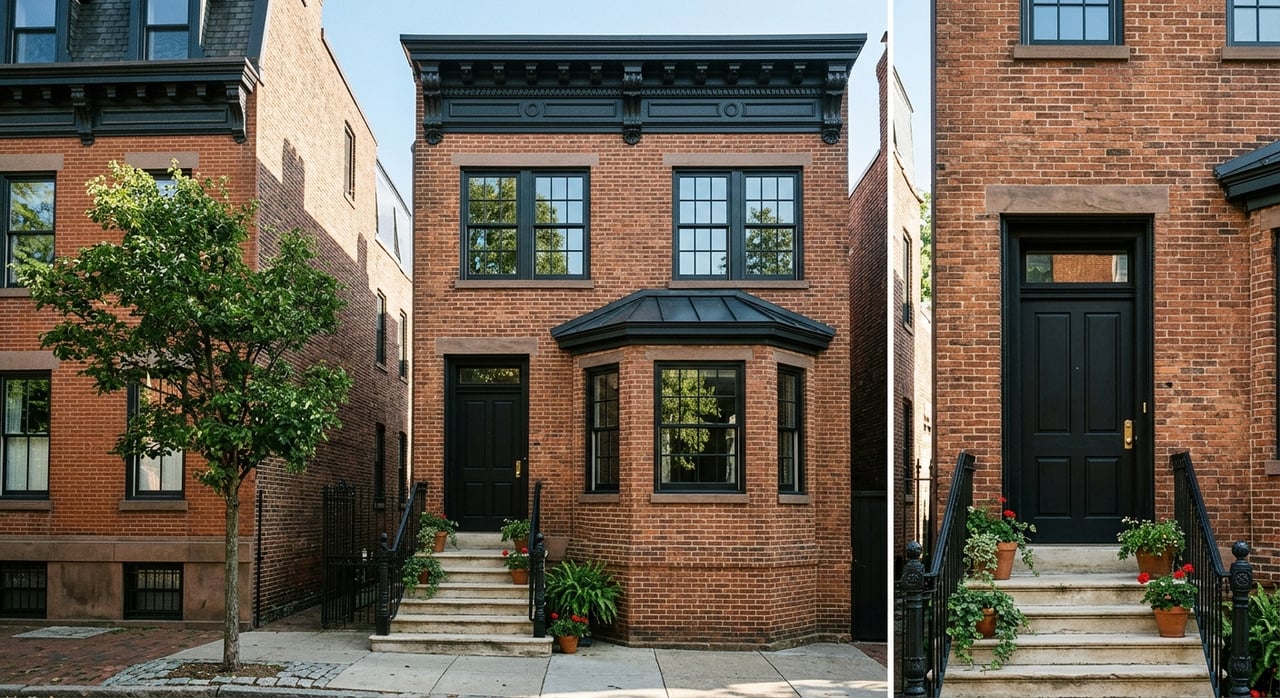
Logan Circle blends historic conversions with newer loft and mid-rise buildings, which creates a wide pricing spread. As of February 2026, the neighborhood’s median condo price is about $785,000. Smaller walk-up conversions can come in lower, while larger lofts and penthouses push higher. Your budget should fit building type, square footage, bedroom count, and whether parking is included.
Upfront and monthly costs
Before you schedule tours, map out all major costs. Your monthly number should include mortgage, property tax, HOA dues, condo insurance, and parking if you need it.
DC transfer and recordation taxes
DC collects both a deed transfer tax and a deed recordation tax at closing. For most residential sales, the rates are tiered:
- 1.1% each if the sale price is under $400,000, combined 2.2% of the price.
- 1.45% each if the sale price is $400,000 or more, combined 2.9% of the price.
You can confirm current rates on the Office of the Chief Financial Officer’s tax page. According to the District, these residential transfer and recordation tax rates apply at closing on most condo resales. For reference, a $785,000 purchase would typically see a combined transfer plus recordation total of about $22,765 at the standard 2.9% rate, plus recording fees. Always verify final allocations with your title company. You can review DC’s published property tax rates and transaction tax details on the OCFO’s site for clarity on how these numbers are set by law:
If you are a first-time DC homebuyer, you may be eligible for a reduced recordation tax rate. The District’s Office of Tax and Revenue provides eligibility and documentation details, and the application is filed at recordation. Review the current program guidance here: Reduced Recordation Tax Rate for First-Time Homebuyers
Property tax basics
DC’s residential Class 1 property tax is billed semiannually and is based on the assessed value of your unit. Your lender and title company will estimate prorations for closing. You can find the current residential tax rate and billing schedule on the District’s OCFO page: DC tax rates and real property information
HOA fees and what they cover
Monthly condo dues in central DC often reflect a city median around $500 per month, but Logan Circle buildings vary widely. You will see fees ranging from roughly $200 to $900+ depending on building age, size, and services. Small, self-managed conversions tend to be lower. Full-service buildings with concierge, gym, or included utilities skew higher.
What dues commonly include:
- Common area maintenance and building management
- Master insurance for the building exterior and shared areas
- Water, sewer, trash, snow removal
- Elevator service and building staff, if applicable
- Contributions to reserves for future capital projects
Always read the current budget and resale certificate for the exact inclusions, line items, and reserve contributions.
Insurance to carry
You will need an HO-6 condo insurance policy for your unit’s interior. The association carries a master policy for the building, which will list coverage limits and the per-claim deductible. Check the master policy declarations page in the resale packet and the recent meeting minutes to learn how deductibles and reimbursements have been handled in past claims. Large deductibles can shift meaningful costs to unit owners after certain losses.
Parking costs to expect
- Residential Parking Permit: DC issues Residential Parking Permits for on-street parking. Fees are set by District law and may have tiers by vehicle count. The permit does not guarantee a curb space, especially in dense neighborhoods like Logan Circle. See the law establishing the RPP fee schedule here: District law on Residential Parking Permits
- Monthly garage parking: Private garage parking near 14th Street and downtown commonly runs in the low to mid hundreds per month, with premium or valet options higher. You can scan current options and price ranges using a parking marketplace like SpotHero’s Washington, DC listings.
- Building parking: In Logan Circle, small historic conversions often do not include deeded parking, while boutique mid-rises sometimes offer a deeded or separately sold space. Full-service buildings may include assigned garage parking as part of the purchase or for an added cost. Always confirm whether a unit includes a deeded space, a license, or access to a paid garage.
Condo documents to request
For a Logan Circle resale, insist on the full resale packet. It should include association instruments and a detailed resale certificate. Key items to request and review:
- Governing documents: Declaration or condominium instruments, bylaws, and rules
- Current operating budget and year-to-date financials
- Reserve study or reserve summary plus current reserve bank statements
- Master insurance declarations page including the deductible
- Minutes of board meetings for at least the past 12 to 24 months
- Litigation and claims history, plus management and vendor contracts
- Parking and storage assignments, diagrams, and any recorded deeds for parking
- Estoppel or payoff statement confirming seller standing and any arrears
If you do not see a recent reserve study, treat that as a caution sign and ask for a reserve summary and capital plan. For a helpful overview on what a condo buyer checklist often includes, you can reference a consumer-focused guide like Hawaii’s real estate branch resource: Condo Buyer Checklist
DC buyer timelines and rights
DC law gives you material protections tied to the delivery of condo disclosures. Two timelines matter most:
- New condos from a developer: You must receive the public offering statement and you have a 15-day right to cancel after the contract date or after delivery of the public offering statement, whichever is later. Read the statute here: DC Condo Act, 42-1904.04
- Resale condos from an existing owner: The seller must obtain and deliver the required condo instruments and a resale certificate on or before the 10th business day after contract execution. If the seller does not deliver within that period, you may cancel prior to receipt. Learn more here: DC Condo Act, 42-1904.11
These rights are there to give you time to read the building’s finances, reserves, and rules before you are fully committed.
Compare buildings wisely
Once you have the paperwork, compare buildings side by side on factors that move both cost and risk.
- Fee versus coverage
- Do not compare dues in a vacuum. Line up what the fee actually covers: water, gas, heat, elevator service, building staff, security, and utilities. A low fee that excludes hot water or gas can raise your true monthly cost.
- Reserves and reserve study
- Ask for the reserve balance and the date of the last study. Compare upcoming capital projects to current funding. Older buildings with weak reserves and known projects have a higher assessment risk. A general overview of reserve study expectations appears in the buyer checklist above: Condo Buyer Checklist
- Delinquencies
- Request the percentage of the budget overdue from owners. Higher delinquency rates can force associations to levy special assessments to cover operating needs.
- Litigation or major claims
- Active litigation can affect insurability, lender approval, and budgets. Ask for a list of pending or recent litigation and consult your lender if anything is flagged.
- Owner-occupancy and rental rules
- Some lenders watch investor ratios and project eligibility. Ask for the current owner-occupancy percentage, any rental caps, and short-term rental restrictions.
- Management and vendor contracts
- Long or automatic-renewal contracts for management, landscaping, or elevators can lock in costs. Review termination windows and fees.
- Parking structure
- Determine if parking is deeded, assigned, or a separate monthly license. Deeded spaces add to the purchase price. Licensed or garage options add a recurring monthly cost.
Red flags to watch:
- No or minimal reserves in an older building
- A streak of special assessments in recent years
- Opaque or missing meeting minutes
- High investor share that hints at rental pressure
- Pending elevator, roof, or structural projects without clear funding
Parking, transit, and lifestyle
Logan Circle is highly walkable, with dining, fitness studios, and grocery options close by. Several Metro stations and bus routes are within a short walk or short ride, which can reduce the need for a car for many buyers. If you do not plan to own a car, you can focus your budget on interior quality and building amenities. If you do drive, decide early whether you need deeded parking or if an RPP and nearby garage will meet your needs.
Quick pre-tour checklist
- Get a lender pre-approval and confirm the building’s condo project eligibility with the lender early.
- Ask the listing side to order the resale packet immediately on ratification. Sellers must deliver required documents within a set window under DC law: DC Condo Act, 42-1904.11
- Create a short list of must-have inclusions like hot water, gas, or a concierge, and clarify your parking requirement.
- Request the current budget, the last reserve study, the last 12 months of minutes, the master insurance declarations, and a statement of any pending assessments or capital projects.
- Confirm whether the unit’s parking is deeded, assigned, or rented and get the exact monthly or purchase cost.
Bottom line
Buying a condo in Logan Circle comes down to two things: modeling the full cost and reading the building’s health. Budget beyond the purchase price to include DC transfer and recordation taxes, property taxes, HOA dues, condo insurance, and parking. Then use the resale packet to check reserves, planned projects, and rules so you avoid surprise assessments and mismatched expectations. If you want a second set of eyes on a building’s budget and minutes, we are here to help.
Ready to find the right Logan Circle condo? Reach out to Capitol Z Homes for a focused search, document review support, and neighborhood-level guidance tailored to your goals.
FAQs
How much are DC transfer and recordation taxes on a $785,000 Logan Circle condo?
- For residential sales at $400,000 or more, DC applies 1.45% each for transfer and recordation taxes, combined 2.9%, which is about $22,765 on $785,000 plus recording fees.
What do Logan Circle HOA fees usually include?
- Dues often cover common area maintenance, the building’s master insurance, water and sewer, trash, snow removal, management, elevator service, and reserve contributions, with some buildings also including gas or heat.
What DC buyer protections apply to condo disclosures on resales?
- Sellers must deliver required condo documents on or before the 10th business day after ratification; if not delivered in time, you may cancel prior to receipt under the DC Condo Act.
What is the rescission period for new DC condos from a developer?
- You have a 15-day right to cancel after the contract date or after delivery of the public offering statement, whichever is later, under the DC Condo Act.
How can I gauge special assessment risk in a Logan Circle building?
- Review the reserve balance, the date and findings of the last reserve study, board minutes for planned projects, owner delinquency levels, and any litigation or major claims.
Is parking typically included with Logan Circle condos?
- It depends on the building; small conversions often lack deeded spaces, boutique mid-rises may offer them, and full-service buildings may include or sell garage parking separately or via a monthly license.
What is an RPP and does it guarantee street parking?
- An RPP is DC’s Residential Parking Permit, which allows you to park in designated zones near your residence for a modest annual fee, but it does not guarantee a specific curb space.