McLean Or Bethesda: Which Suburb Fits Your Lifestyle
May 21, 2026
May 21, 2026
Trying to choose between McLean and Bethesda? You are not alone. Both suburbs offer strong housing markets, access to Washington, and plenty to do, but they live very differently day to day. If you are deciding where your budget, commute, and lifestyle line up best, this guide will help you compare the two in a practical way. Let’s dive in.
The simplest way to frame the choice is this: McLean leans quieter, larger, and more car-oriented, while Bethesda feels denser, more walkable, and more mixed-use.
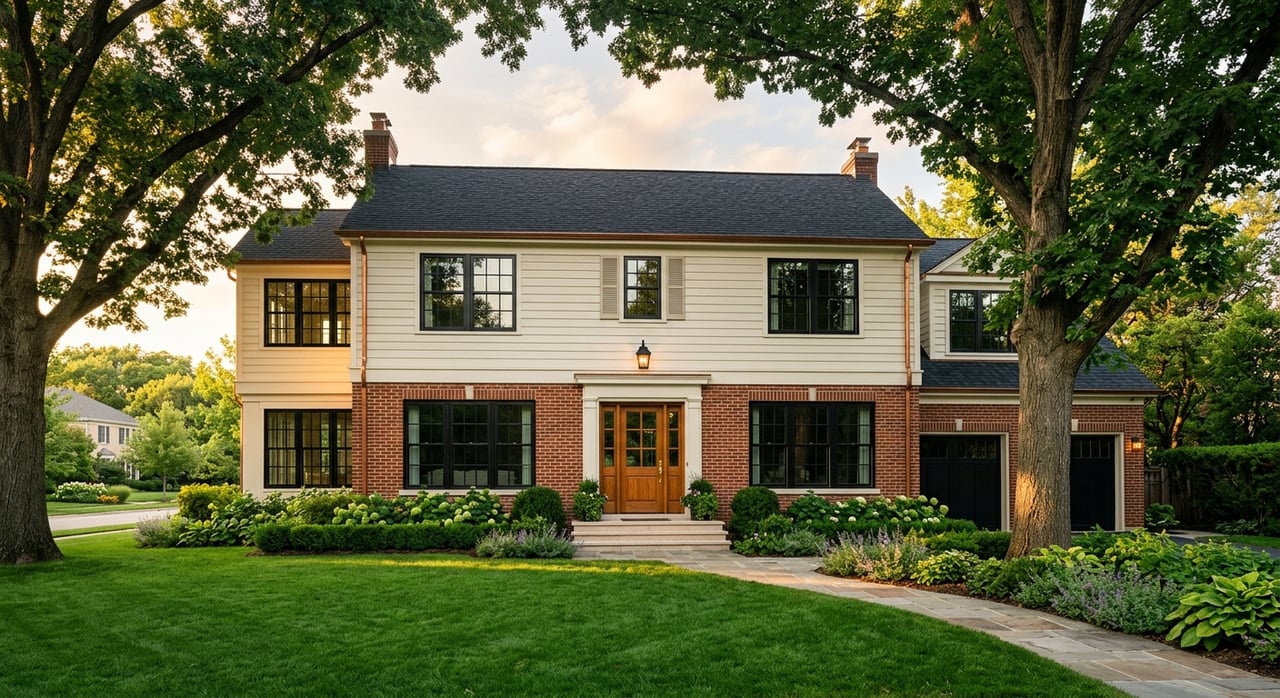
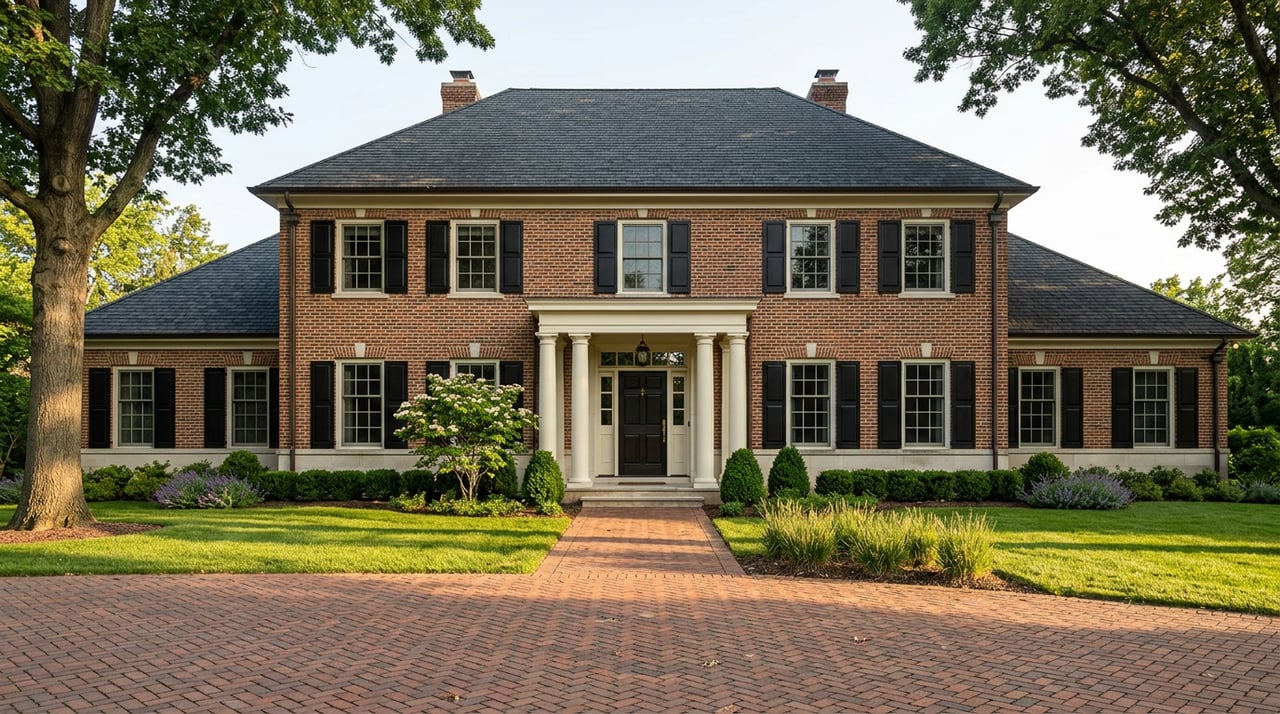
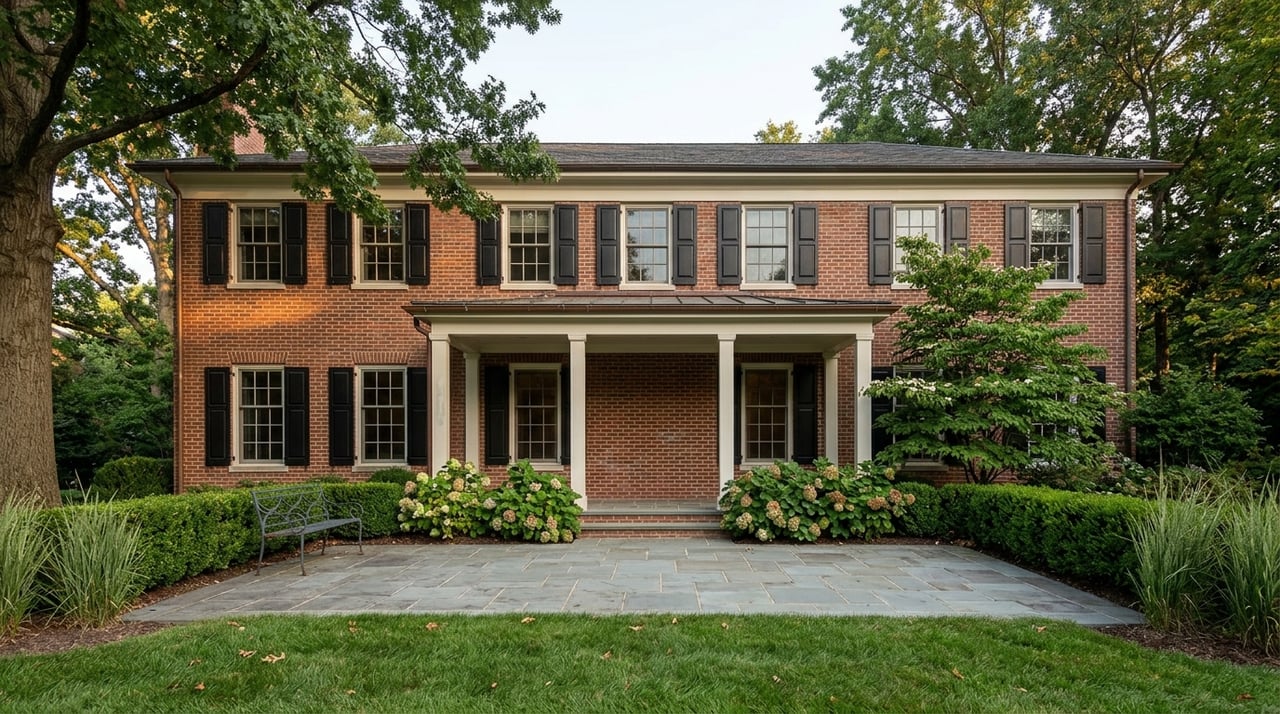
McLean is an affluent Fairfax County market known for custom homes, larger lots, and a more suburban feel. Fairfax County describes it as a community with custom-designed houses, million-dollar estates, and a nearby business center with boutiques, restaurants, gourmet food stores, and a community center.
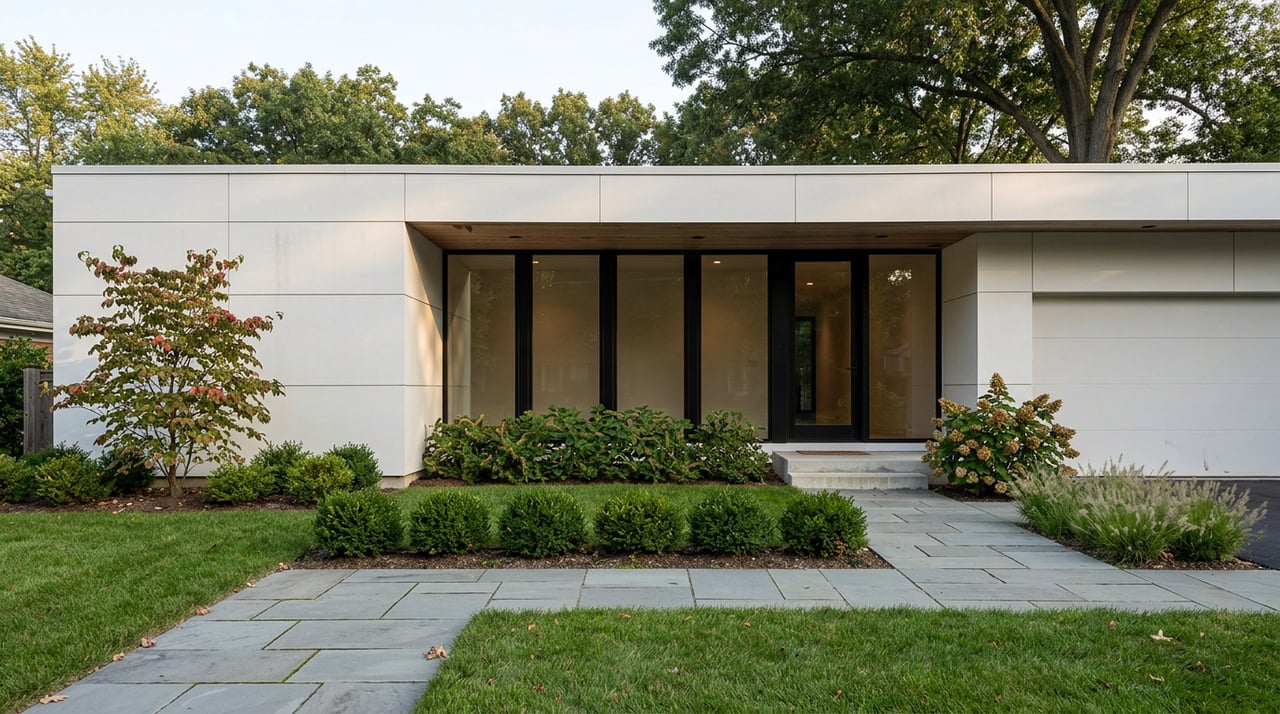
Bethesda works more like an urban village. Bethesda Urban Partnership describes downtown Bethesda as a lively place to live, work, and visit, with nearly 200 restaurants, home-fashion retailers, boutiques, spas, salons, and live theaters.
If you want a suburb where driving is still a big part of daily life, McLean fits that pattern. Redfin’s March 2026 snapshot gives McLean a Walk Score of 23, a Transit Score of 26, and a Bike Score of 30.
That does not mean you cannot use transit. It means most errands and routines are easier by car, with rail access serving more as a useful tool than the center of daily life.
Bethesda is not a fully car-free environment, but it gives you more flexibility. Redfin’s March 2026 snapshot rates Bethesda at 45 for Walk Score, 43 for Transit Score, and 57 for Bike Score.
Those numbers suggest a more connected day-to-day experience. If you like the idea of walking to dinner, running errands with fewer car trips, or combining rail, bus, and bike access, Bethesda has the edge.
McLean’s Metro access centers on the Silver Line station that shares its name. WMATA says the station sits off I-495 with access from Route 123 and is close to Tysons Corner shopping and major corporate headquarters.
The station does not offer daily or reserved parking, but it does include bike racks, lockers, and Wi-Fi. Tysons Community Alliance also notes that Tysons has four Silver Line stations, including McLean, giving riders transfer-free service to downtown D.C. and into Maryland.
Bethesda’s transit story is broader. WMATA says Bethesda station is on the Red Line, offers bike racks and lockers, and sits within walking distance of Bethesda Row and the Bethesda Trolley Trail.
Bethesda Urban Partnership says downtown Bethesda is served by Metrobus, Metrorail, and Montgomery County Ride On, with more than a dozen bus routes starting, ending, or passing through downtown. The Bethesda Circulator also connects the Metro station, garages, shops, restaurants, and theaters.
Bethesda does come with one important near-term caveat. WMATA says Bethesda station is still affected by Purple Line-related construction, and those impacts are expected to continue through 2026.
The long-term outlook may improve once the Purple Line opens. Maryland’s transit agency says the 16-mile, 21-station Purple Line is expected to open to passengers in late 2027, but buyers should plan around the current disruption, not just the future benefit.
If your goal is a larger single-family home or a more estate-style setting, McLean is often the stronger match. Redfin’s March 2026 data shows a median sale price of $1.63 million, with homes selling in about 27 days and receiving an average of 2 offers.
Attached housing exists, but it is a smaller share of the market. Redfin reports 21 townhouses for sale at a median listing price of $1.25 million, and prior-month inventory included 17 condos and 27 townhouses.
That lines up with Fairfax County’s description of McLean as a market where custom houses are the norm. If you want more space, more privacy, and a home type that feels distinctly suburban, McLean tends to offer more of that experience.
Bethesda is still a high-priced market, but the entry points are more varied. Redfin’s March 2026 data shows a median sale price of $1.22 million, with homes selling in about 32 days and receiving an average of 3 offers.
One of Bethesda’s biggest advantages is range. Redfin shows 152 condos for sale at a median listing price of $325,000, plus 32 townhouses for sale, with examples ranging from the mid-$700,000s to above $1 million.
That wider mix can matter if you want options. Whether you are starting with a condo, looking for a townhome, or shopping for a detached house, Bethesda gives you more ways to enter the market at different price points.
McLean’s lifestyle is shaped by space and nearby amenities rather than a dense downtown core. Fairfax County highlights boutiques, restaurants, gourmet food stores, and a community center, while the McLean Community Center offers arts, civic, cultural, and recreational programming.
If you value a calmer residential setting, that can be a major plus. You may not have the same level of walk-out-the-door activity as Bethesda, but you get a more private suburban atmosphere.
McLean stands out for parks and nature. Fairfax County notes that McLean Central Park has reopened with updated amenities, including a new playground, and Clemyjontri Park offers a fully accessible playground.
You also have access to larger outdoor destinations. Scott’s Run Nature Preserve includes part of the Potomac Heritage National Scenic Trail, and Great Falls Park offers hiking and Potomac overlooks within about 15 miles of Washington.
Bethesda’s appeal is built around convenience and concentration. Bethesda Urban Partnership says downtown has nearly 700 retailers and businesses, plus a restaurant scene that spans a wide range of cuisines.
If you like having dining, shopping, services, and entertainment clustered in one area, Bethesda feels more active and central. Your routines can revolve around downtown in a way that is less common in McLean.
Bethesda’s outdoor options are woven into its more built-up setting. Montgomery Parks says the Capital Crescent Trail runs 11 miles from Georgetown to Silver Spring, with a paved segment through Bethesda.
Other nearby green spaces include Battery Lane Urban Park, which has an accessible playground and sports courts, and Chase Avenue Urban Park. That mix gives Bethesda a strong blend of city-style convenience and trail access.
Bethesda may feel more walkable, but it is not anti-car. Bethesda Urban Partnership says downtown has 17 public garages and surface lots, with free parking on Sundays and Montgomery County holidays.
That is helpful if you want downtown convenience without giving up driving altogether. In practical terms, Bethesda lets you choose more often between walking, transit, and driving.
McLean remains more naturally car-oriented, and that can be a positive if you prefer easier point-to-point driving and a less dense environment. For many buyers, this part of the decision comes down to habit as much as preference.
McLean may be the better fit if you are looking for:
This is often the stronger choice if your top priorities are privacy, home size, and a more residential feel.
Bethesda may be the better fit if you are looking for:
This is often the stronger choice if you want flexibility in how you live and get around.
Neither suburb is better in every category. The better choice is the one that matches how you want to live, commute, and spend your housing budget.
If you want a refined suburban setting with larger homes and a quieter pace, McLean may feel like home. If you want a more connected, amenity-rich environment with more attached housing choices, Bethesda may be the better fit.
If you are weighing McLean, Bethesda, or other DMV neighborhoods, working with a local team can help you compare the tradeoffs clearly and focus on what matters most to you. When you are ready to talk through your move, connect with Capitol Z Homes.
Trust, Reliability and Knowledge. We are very passionate about the relationships we build and will always work relentlessly on your behalf to help you achieve your real estate goals.