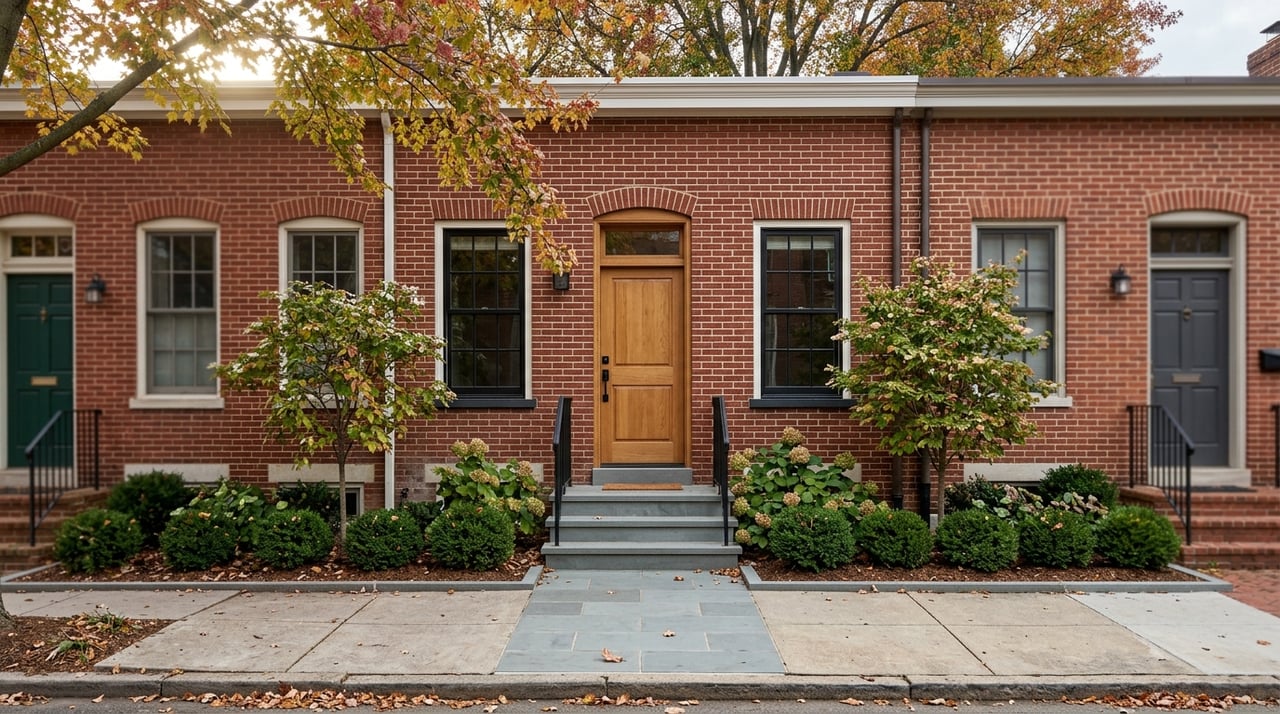
Choosing A Condo, Townhome, Or House In Fairfax County
May 7, 2026
May 7, 2026
Buying in Fairfax County often starts with one simple question: Should you choose a condo, townhome, or house? The answer can shape your budget, your commute, your maintenance load, and how you live day to day. If you are trying to balance space, monthly cost, and lifestyle, this guide will help you compare your options with Fairfax County context in mind. Let’s dive in.
Fairfax County is a large housing market with 433,476 housing units, and 68.6% of housing units are owner-occupied based on the 2020 to 2024 ACS period. It is also a market where property type can have a major impact on your entry price and monthly costs. In March 2026, Redfin reported a median sale price of $755,000 countywide, compared with a median condo listing price of $375,000 and a median townhome listing price of $631,000.
That gap matters if you are deciding how much home you want and how much ongoing responsibility you can comfortably manage. In Fairfax County, your decision is not only about square footage or curb appeal. It is also about ownership structure, community rules, dues, and maintenance obligations.
Before you focus on finishes or floor plans, it helps to understand what each property type usually offers.
| Property Type | Typical Appeal | Typical Tradeoff |
|---|---|---|
| Condo | Lower entry price, less exterior maintenance, often near transit and amenities | More shared governance, dues, and common-area rules |
| Townhome | More space and multiple levels, often garage parking, middle-ground pricing | Maintenance responsibilities can vary based on legal structure and association rules |
| Detached house | More privacy, yard space, and control over structure and lot | Higher price point and more direct upkeep |
In Fairfax County, these categories can overlap more than many buyers expect. A home that looks like a townhouse may legally be a condominium, and a detached home may still be part of an HOA with annual assessments and architectural rules.
For many buyers, condos are the most approachable first step into Fairfax County homeownership. With a median listing price around $375,000 in the March 2026 snapshot, condos often offer a lower starting price than townhomes or detached homes.
That lower price does not automatically mean a lower monthly cost, though. Condo dues can be a meaningful part of your budget, so you need to look at the full payment, not just the purchase price.
Some buyers picture condos as small one-bedroom units only, but Fairfax County shows a much wider range. In Tysons, Monarch Condominium includes studio and one-bedroom units around 490 and 610 square feet, with listed condo dues of $592.51 per month.
In Reston, condo options can be much larger. One Sunset Station condo was around 1,560 square feet with 3 bedrooms and 2.5 bathrooms, and another Reston condo listing showed estimated fees of $375 per month, including the Reston Association fee.
Under the Virginia Condominium Act, the association generally handles common elements, while you are usually responsible for your unit unless the condominium documents say otherwise. Virginia law also requires condo associations to conduct a reserve study at least every five years, which helps explain why dues often support both current maintenance and long-term repairs.
That can be a strong fit if you want less direct exterior upkeep and a more predictable shared-maintenance model. It can also work well if you prefer a transit-oriented setting, especially in places like Tysons, which Fairfax County describes as a walkable urban center served by four Silver Line Metro stations.
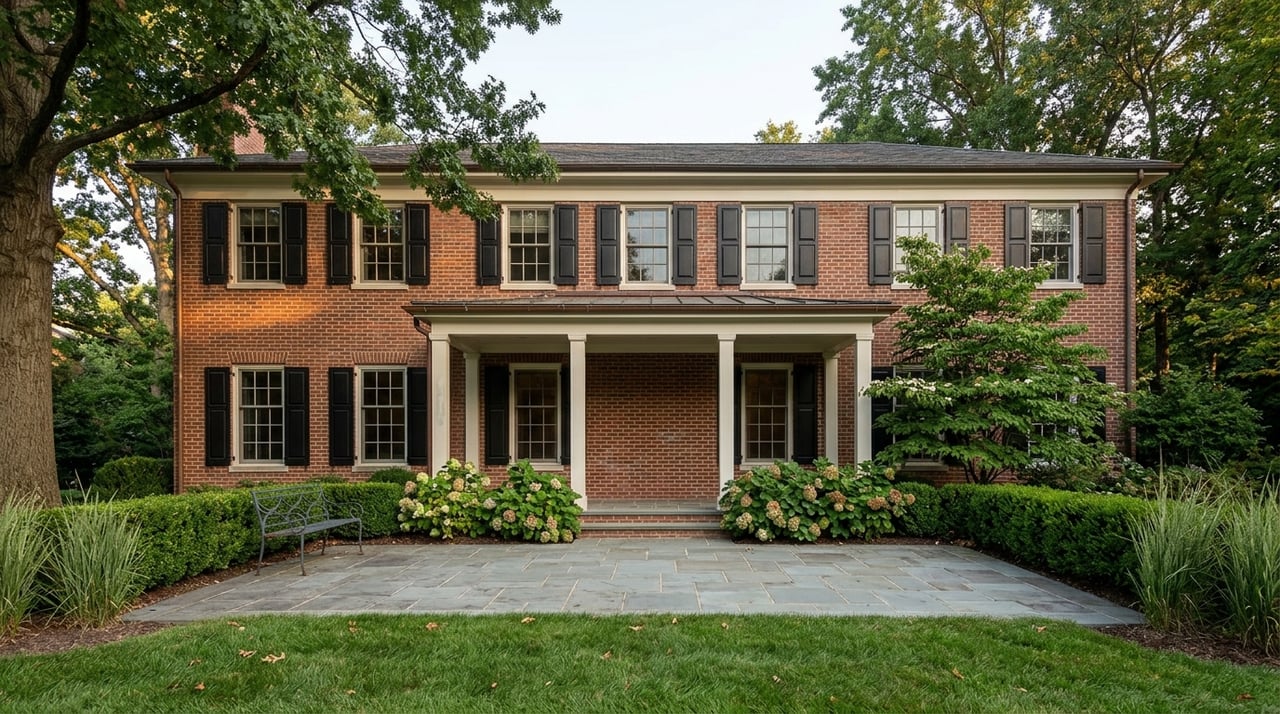
Townhomes are often the sweet spot for buyers who want more room than a condo but do not want the full responsibility of a detached house. They can offer multiple levels, attached garages, and a more house-like layout while still keeping some shared maintenance costs in place.
Price is part of that appeal too. In the March 2026 snapshot, townhomes in Fairfax County had a median listing price of $631,000, placing them between condos and the countywide median sale price.
This is one of the most important things to understand before you buy. In Fairfax County, some homes that look like traditional townhouses are legally condominiums, and that changes how maintenance and ownership responsibilities work.
Fairfax County notes that townhomes and condominiums in market-rate developments vary in size and layout, and homeowners are responsible for home maintenance, improvements, and compliance with fees, rules, and regulations. That is why you should never assume the exterior appearance tells the whole story.
At Reston Station, one four-level townhouse example offered 3 bedrooms, 3.5 bathrooms, 1,690 square feet, and a 2-car garage. Its HOA dues were $123 per month, plus a $718 annual Reston Association fee. Those fees included services like trash, snow removal, and common-area maintenance, while the Reston Association fee supported access to trails, pools, tennis courts, a golf course, lakes, and parks.
Another local example, Park at Fair Oaks, shows a different model. It is a 2-level townhouse-style condo with 1,574 square feet and quarterly dues of $320, including trash, snow removal, and common-area maintenance.
Townhomes can also work for buyers who need more bedrooms without moving to a detached home. Fairfax County’s Gill Brook Lane example in Centreville describes a townhome with 4 bedrooms, 2 bathrooms, and 1,224 square feet.
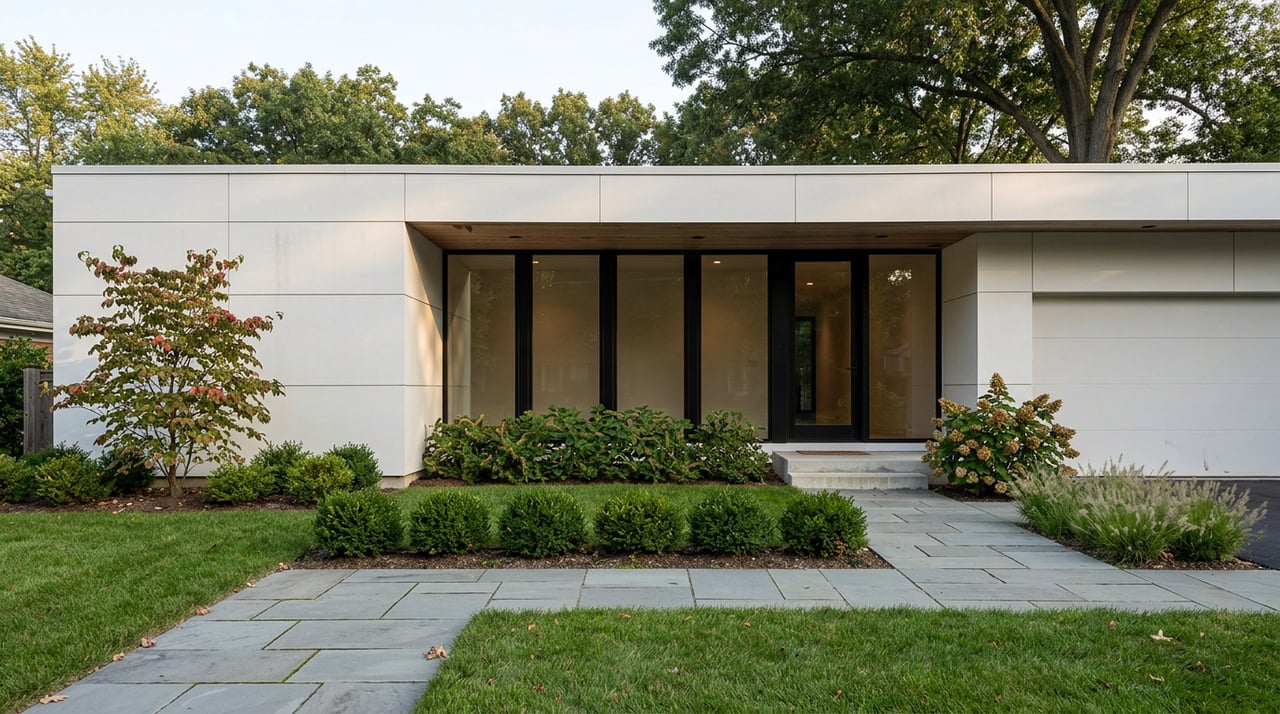
Detached houses are usually the best fit if you want more privacy, more yard space, and fewer shared walls. They also tend to give you the most direct control over the structure and lot.
That added control comes with more responsibility. Fairfax County’s first-time homebuyer materials state clearly that owners are responsible for all home maintenance and improvements, along with compliance with any homeowner or condominium fees, rules, and regulations that apply.
A lot of buyers assume a detached home means no HOA. In Fairfax County, that is not always true.
Hickory Farms is a good example. The community includes 198 single-family homes, has an active HOA, and uses annual assessments largely to maintain more than 20 acres of common areas. So even when you buy a detached house, you may still have association rules, shared amenities, or annual fees.
Detached homes typically sit at the top end of the budget range among these three options. Hickory Farms reported 2024 to 2025 sales in the $750,000 to $925,000 range for 3- to 5-bedroom single-family homes, which lines up with the county’s broader pricing picture.
For some buyers, that extra cost is worth it for outdoor space, flexibility for pets or gardening, and a more traditional single-family setup. For others, the higher purchase price and ongoing maintenance make a townhome or condo a better overall fit.
Your purchase price is only part of the equation. Fairfax County assesses real estate at fair market value as of January 1, and some parcels may also have special district or service charges, such as Tysons, Reston, McLean Community Center, leaf collection, or refuse fees.
When you compare homes, look at the full monthly picture:
A lower-priced condo may still carry higher monthly dues than you expect. A detached home may have no large condo fee but could bring higher repair and upkeep costs over time.
If you do not want to think much about exterior upkeep, a condo may be the easiest fit. If you want a balance of space and manageable maintenance, a townhome may be the better choice.
If you want the most autonomy and do not mind handling repairs, yard care, and larger home systems more directly, a detached house may be worth the extra responsibility. The right answer depends less on what sounds ideal and more on what feels sustainable for your schedule and budget.
Where you want to live can narrow the choice quickly. Buyers who want transit-oriented living often focus on condos and townhomes near places like Tysons or Reston, where access to Metro, retail, and daily conveniences is a major draw.
Tysons is built around four Silver Line stations and is planned as Fairfax County’s downtown. Reston Station offers another useful example of how townhomes can blend space with rail access. Buyers who want more room while keeping regional access in mind may also explore areas like Lorton, which Fairfax County says has Amtrak and VRE access along with a mix of detached homes, townhomes, and garden apartments.
For condos and HOA communities, the paperwork matters just as much as the floor plan. Fairfax County identifies several forms of community associations, including condominium unit owners’ associations and property owners’ associations, and the county notes it does not govern condo or HOA operations.
That means you need to review the community documents carefully before closing. Key items include:
Virginia’s Common Interest Community Ombudsman helps members understand rights and processes under the Condo Act, Property Owners’ Association Act, and Cooperative Act. For buyers, the practical takeaway is simple: two homes that look similar can come with very different rules, costs, and maintenance obligations.
If you are still deciding, try this simple framework:
There is no universal best option in Fairfax County. The right home is the one that fits your finances, your routine, and the kind of ownership experience you want over the next several years.
If you want help sorting through Fairfax County condos, townhomes, or houses, Capitol Z Homes can help you compare options, understand the tradeoffs, and move forward with confidence.
Trust, Reliability and Knowledge. We are very passionate about the relationships we build and will always work relentlessly on your behalf to help you achieve your real estate goals.