April 23, 2026
April 23, 2026
Thinking about selling your Capitol Hill rowhouse within the next year? In a neighborhood where buyers often care about character, convenience, and move-in readiness, the smartest pre-sale updates are usually not the biggest ones. The right plan can help your home show better online, feel more polished in person, and preserve the details that make older Capitol Hill homes appealing. Let’s dive in.
Capitol Hill remains a desirable Seattle neighborhood with strong urban appeal, transit access, and a well-known mix of historic character and active street life. According to Seattle’s neighborhood background for Capitol Hill and First Hill, the area is one of the city’s densest communities and is closely tied to urban living and transit convenience.
That context matters when you prepare to sell. Buyers in this setting are often looking for a home that feels easy to move into, not a major project that needs months of work.
Market conditions support that strategy too. In Redfin’s March 2026 Capitol Hill housing snapshot, the median sale price was $950,000, median days on market was 59, and the sale-to-list ratio was 98.3%, with 10.8% of homes selling above list price. In a somewhat competitive market, presentation can still affect how quickly your home sells and how buyers respond.
If you only do a few things before listing, start here. The NAR 2025 Remodeling Impact Report says the top pre-listing recommendations from Realtors are painting the entire home and painting at least one interior room.
Fresh paint helps your rowhouse feel brighter, cleaner, and better maintained. In most cases, neutral tones are the safer choice because they help buyers focus on the space itself rather than your personal style.
Cleaning matters just as much. NAR also recommends cleaning windows, carpets, lighting fixtures, and walls, along with decluttering and improving curb appeal before photos and showings. These are simple changes, but they can have an outsized effect on how your home reads both online and in person.
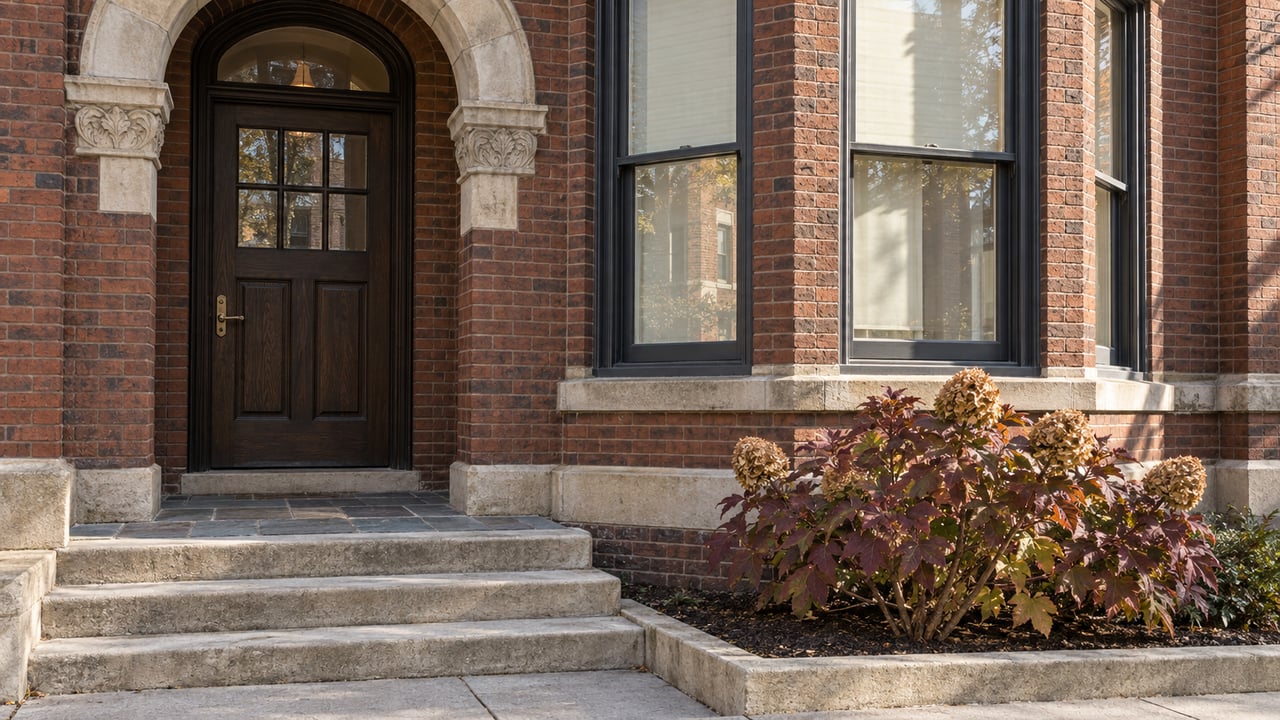
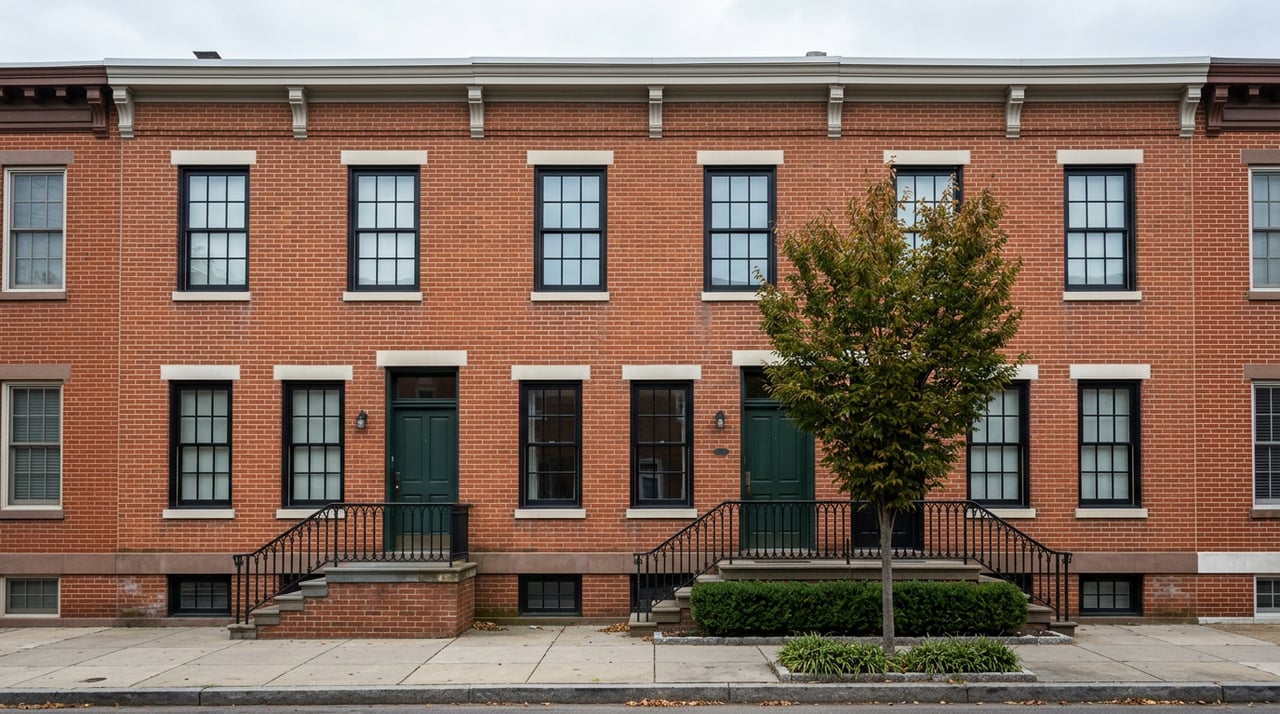
Many Capitol Hill rowhouses stand out because of their older architectural details. If your home includes original trim, built-ins, stair rails, fireplace surrounds, or classic window proportions, those features should stay visible.
That is especially important in areas with recognized historic fabric. Seattle describes the Harvard-Belmont Landmark District as a well-preserved residential area with early-20th-century homes and enduring character, and the city’s preservation framework is designed to protect the appearance and integrity of historic places.
The practical takeaway is simple: modernize lightly. Smart updates should help your home feel clean and current without stripping away the details that give it identity.
Small touch points often deliver some of the best return for the effort. NAR’s reverse-staging guidance notes that buyers notice hardware, light switch plates, faucets, cabinet pulls, and light fixtures.
These are the details people see up close during a showing, but they also influence listing photos. Clean, coordinated finishes can make a rowhouse feel more intentional and better cared for without the cost of a larger remodel.
A simple checklist can go a long way:
A dated kitchen can make sellers nervous, but a full renovation is not always the best pre-sale move. NAR’s guidance on marketing a house with a dated kitchen recommends cosmetic improvements such as new pulls and handles, at least one stainless-steel appliance front, updated backsplash or counters, and coordinated finishes.
That advice fits Capitol Hill well. If your kitchen layout works and the cabinets are functional, you may get better value from a surface-level refresh than a complete remodel.
Focus on what buyers will notice first:
NAR reports that both minor kitchen upgrades and complete kitchen renovations have an estimated 60% cost recovery, which is another reason to think carefully before taking on a major project. When budget matters, cosmetic freshness can do a lot of the heavy lifting.
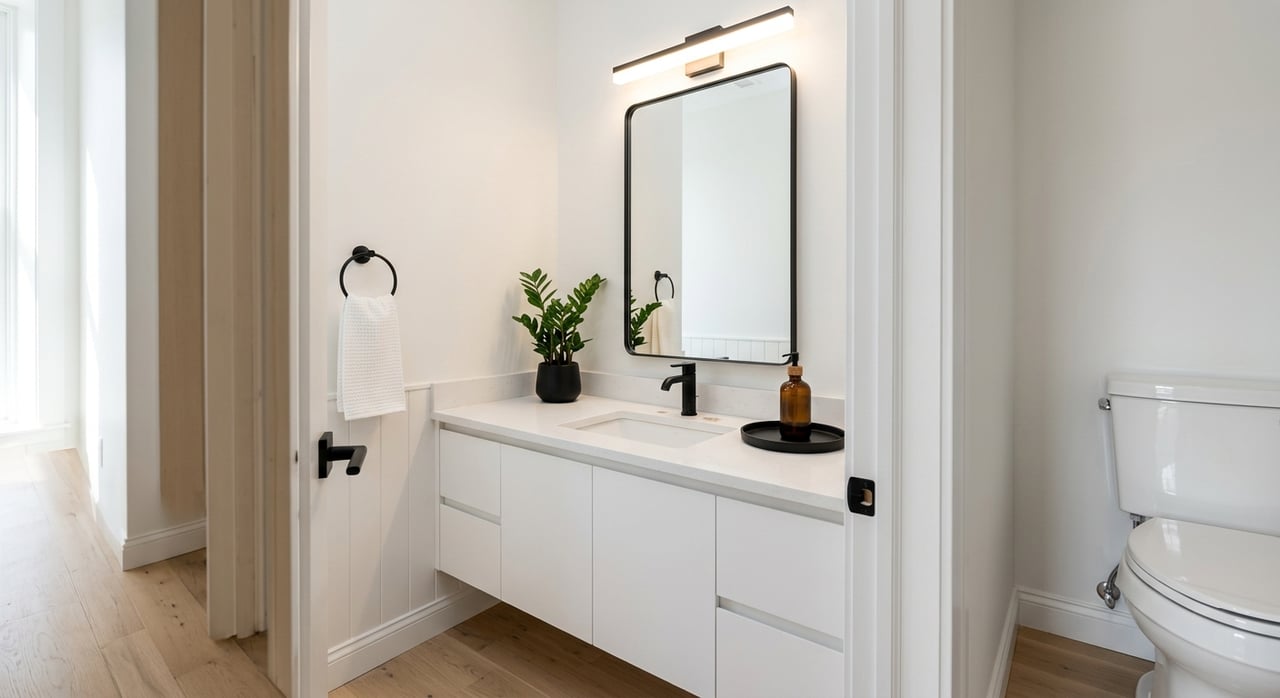
Bathrooms are another place where targeted work often makes more sense than a full gut renovation. NAR’s bathroom resale guidance highlights updated vanities, wall color, tile, sinks, faucets, toilets, and lighting as features that help a bath feel current.
If your bathroom is functional, aim for clean, bright, and simple. New lighting, fresh paint, updated mirrors, and better faucets can make the room feel more current without a major investment.
Buyers tend to respond to visible freshness. They do not need a luxury spa if the space already feels cared for and ready to use.
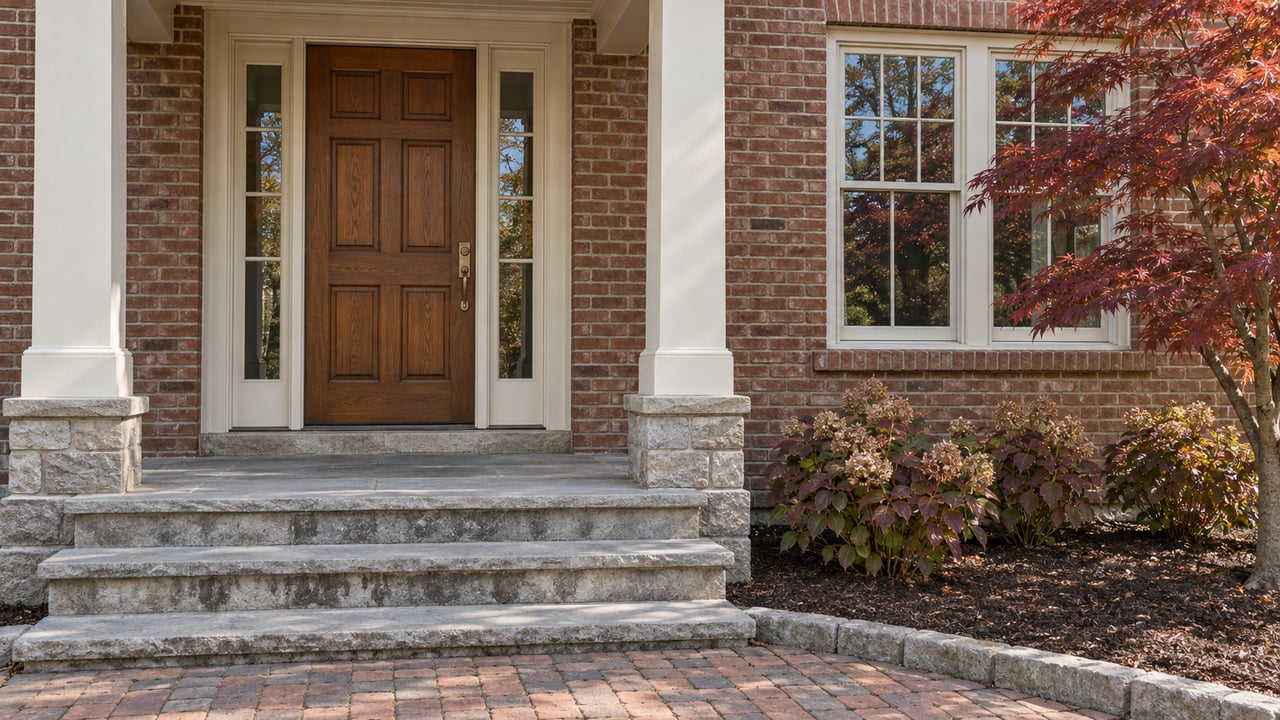
With rowhouses, your front entry often creates the first impression. Seattle’s Capitol Hill design guidance emphasizes character, street-level interaction, light, air, and positive open spaces with landscaping.
For resale, that usually means simple improvements that make the exterior feel intentional. You do not need a major landscape project to make the approach to your home feel more inviting.
Good pre-sale outdoor updates may include:
That approach lines up with NAR’s outdoor projects report, which found that curb appeal improvements are widely recommended before listing and that basic landscape maintenance can have strong cost recovery.
A lot of sellers think staging is optional. The research suggests otherwise.
NAR’s 2025 Profile of Home Staging found that 83% of buyers’ agents said staging made it easier for buyers to visualize the property as their future home. The same reporting found that staging can reduce time on market, and some agents reported that it increased the dollar value offered.
That matters even more because so many buyers start online. Zillow’s 2025 buyer survey found that 68% of buyers had viewed homes for sale on a real estate website, and that floor plans and high-resolution photos were top listing features.
For your Capitol Hill rowhouse, the goal is to stage for the camera first and the open house second. That means creating brighter sightlines, simplifying décor, and making your best architectural details easy to see.
Pay special attention to:
If you are selling within the next year, sequence matters. The strongest research-backed order is to handle the easy visual wins first, then move into selective cosmetic upgrades, then finish with staging and photography.
A practical order looks like this:
This order helps you avoid overspending too early. It also keeps your focus on the updates that buyers will notice right away in photos and at the front door.
Not every project deserves your budget. If an update will not improve your home’s first impression, listing photos, or showing experience, it may belong lower on the list unless it fixes a clear defect.
That is why smart pre-sale prep is usually more about editing than reinventing. In Capitol Hill, buyers often respond best to homes that feel clean, well-maintained, and true to their original character.
A thoughtful plan can help you put money where it counts most. If you want expert help deciding which updates are worth it before you list, Capitol Z Homes can help you create a practical, market-ready strategy with staging and pre-sale prep support.
Trust, Reliability and Knowledge. We are very passionate about the relationships we build and will always work relentlessly on your behalf to help you achieve your real estate goals.