What Buyers Should Know About Reston VA Townhome Living
May 14, 2026
May 14, 2026
If you are thinking about buying a townhome in Reston, you are probably wondering how daily life really works there. Reston offers a different setup than many typical suburban communities, and that can be a great fit if you want a balance of convenience, outdoor access, and lower-maintenance living. The key is knowing what comes with that lifestyle before you buy, from amenities and pathways to association rules and parking. Let’s dive in.
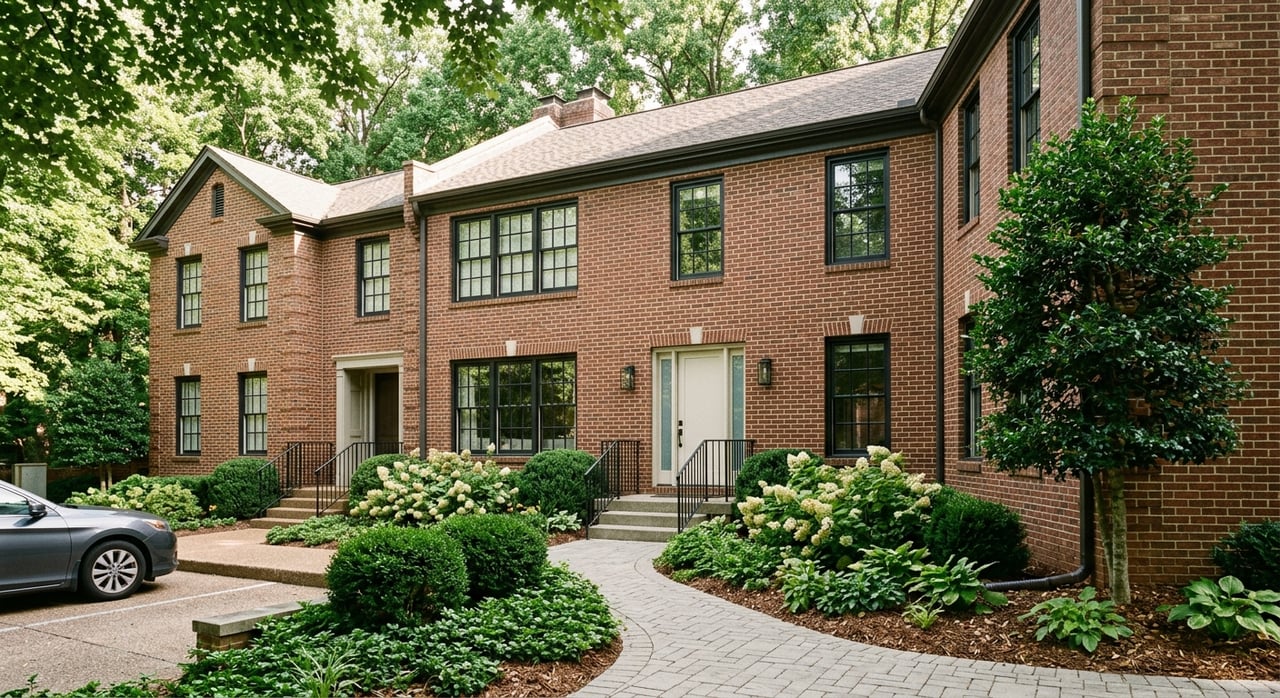
One of the biggest things to expect from townhome living in Reston is a stronger sense of connection to the broader community. Fairfax County describes Reston as a planned community with a wide range of housing types, including townhouse clusters, and says clustering has long been central to how Reston was designed.
That planning approach was meant to preserve natural areas, protect trees and stream valleys, and create more usable open space. In practice, that often means your townhome may feel tied to trails, common areas, and shared green spaces in a way that is different from a standard subdivision.
Reston was not built around the idea that every home sits on a large private lot. Instead, many townhomes are part of cluster associations, which group homes together and coordinate certain shared responsibilities.
For you, that can mean less private yard space to maintain and more shared spaces to enjoy. It can also mean a more uniform look and more community rules than you would usually see with a detached home.
Reston’s layout was designed to keep open space as a core feature of daily life. Fairfax County notes that clustered development helps preserve natural areas and improve the overall form of attached housing.
If you value mature trees, walking paths, and green buffers, that is one of the most appealing parts of the townhome experience here. You are not just buying the home itself. You are also buying into the way the community is organized.
Reston townhome owners should expect community amenities to play a bigger role in everyday life than in many other areas. Reston Association maintains 1,350 acres of open space, 55-plus miles of paths, 15 outdoor pools, 54 tennis courts, and a network of parks and playgrounds.
That is a meaningful part of the townhome lifestyle in Reston. If you like the idea of walking trails, outdoor recreation, and community facilities built into where you live, this can be a strong advantage.
Reston Association says recreation passes are available to members at no additional charge as part of the annual assessment. Those passes include unlimited access to pools, tennis courts, and pickleball courts.
That means many townhome owners are not paying separately every time they want to use core amenities. It is worth understanding that access is built into the broader ownership structure.
Reston’s four man-made lakes cover 125 acres and support fishing, boating, wildlife watching, and lakeside picnicking. Many pathway sections also run near the lakes, which helps make them part of everyday routines.
Still, it is important to set the right expectations. Swimming and ice skating are prohibited, so lake life in Reston is more about scenery, walking, and paddling than beach-style recreation.
Another thing to expect from townhome living in Reston is easier access to neighborhood-serving retail and public spaces. Fairfax County says Reston’s village centers, including Lake Anne, Hunters Woods, South Lakes, and North Point, are planned as local gathering places with retail, restaurants, offices, and public spaces.
The county also says these centers are intended to support connectivity and mobility, with residents able to walk to commercial and community uses. Depending on the location of your townhome, that may mean a lifestyle with fewer short car trips and more daily errands done on foot.
Not every townhome will feel the same. Some may be closer to pathways and village centers, while others may be more car-dependent for day-to-day errands.
That is why buyers should look beyond the floor plan. In Reston, the exact cluster and location can shape how much you use trails, open space, and nearby services.
This is one of the most important parts of buying a townhome in Reston. Reston Association says all residential property owners and renters subject to the Reston Deed are automatic members, and the community includes more than 22,000 residential units.
At the same time, Reston also has more than 160 sub-associations. For many townhome buyers, that means you should expect two layers of association structure: Reston Association and your cluster or condo association.
Under the Reston Deed, a cluster association can own and maintain common area, collect cluster assessments, represent members, and set reasonable rules for things like parking, carports, storage, and related facilities. In some cases, a cluster may also provide exterior maintenance if that responsibility is established in its governing documents and approval process.
This matters because two townhomes in Reston can operate differently even if they look similar on the surface. One cluster may cover more exterior responsibilities, while another may place more upkeep on the owner.
As of 2026, Reston Association’s annual assessment is $890, due January 1, with late fees after March 1. RA says this assessment supports pools, tennis courts, open space, pathways, parking lots, programs, and covenant enforcement.
You should also expect that a separate cluster or condo assessment may apply. Before you buy, it is smart to review both layers carefully so you understand the full monthly and annual cost of ownership.
If you like to personalize a home right away, this is a major point to know. Reston’s Design Review Board reviews improvements and alterations to properties within RA, and the design-guideline overview says most exterior changes require approval unless they are already covered by cluster standards or guidelines.
That means projects like exterior updates, additions, or visible site changes may not be as simple as hiring a contractor and starting work. You will usually need to confirm what is allowed first.
For some buyers, design review feels like a downside. For others, it helps preserve a consistent appearance across the community.
Either way, the practical takeaway is the same. If you are buying a Reston townhome, expect a review process for many visible exterior changes and make that part of your planning from day one.
Parking is another part of townhome living in Reston that deserves close attention. Fairfax County’s transit-station-area guidance says parking should minimize conflicts between vehicles and pedestrians, and many new streets should include on-street parking.
RA also says it does not maintain most roads in Reston. Most roads are handled by VDOT, while some roads are the responsibility of residential clusters.
This is not a detail to gloss over. Buyers should confirm whether parking rules, towing policies, street maintenance, and snow-related responsibilities are handled by the cluster, the county or state, or some combination of those.
In other words, do not assume every Reston townhome community works the same way. Parking can be one of the biggest day-to-day quality-of-life issues, so it is worth reviewing carefully before making an offer.
For many buyers, Reston townhome ownership lands in a sweet spot. It often offers more direct control over the home and more connection to the ground than a condo, while requiring less private yard maintenance than a detached house.
At the same time, you should expect more shared-community rules than you would likely have with a detached home. That tradeoff is a big part of what defines the Reston townhome experience.
Reston townhome living may be a strong fit if you want:
It may require a little more homework if you want:
If you are selling a townhome in Reston, association structure matters just as much on the listing side. Virginia law requires the RA resale disclosure certificate, and if the property is in a cluster or condo association, those disclosure documents are needed too.
RA says the 2026 transfer fee is $374 and that it has 14 days from payment to deliver the resale packet. That timeline can affect how quickly you move through contract and closing preparation, so it helps to get organized early.
For sellers, one of the smartest moves is gathering association information as early as possible. Since Reston properties often involve layered disclosures, advanced planning can help avoid last-minute delays.
That is especially useful if you are also coordinating repairs, staging, or pre-listing improvements before your home hits the market.
Townhome living in Reston offers a distinct mix of convenience, shared amenities, green space, and community structure. You can expect more than just an attached home. You are also stepping into a planned environment shaped by pathways, village centers, lakes, association layers, and design standards.
For many buyers, that combination is exactly the draw. If you understand the rules, costs, and tradeoffs up front, a Reston townhome can offer a lifestyle that feels both practical and connected.
If you are buying or selling in Reston and want help evaluating clusters, association details, or market positioning, Capitol Z Homes is here to guide you with clear advice and hands-on support.
Trust, Reliability and Knowledge. We are very passionate about the relationships we build and will always work relentlessly on your behalf to help you achieve your real estate goals.