Choosing Between A Condo Or House In Bethesda MD
March 12, 2026
March 12, 2026
Struggling to choose between a condo and a house in Bethesda? You’re not alone. With prices at the high end of the region and lots of lifestyle options, it helps to get clear on what matters most to you: walkability and low maintenance or space and a yard. In this guide, you’ll learn how costs, commute time, financing, and daily life differ by home type in Bethesda so you can move forward with confidence. Let’s dive in.
Bethesda’s core is one of the priciest submarkets in the region, with a recent all-home median sale price around $1.14 million. In and around downtown, typical condo sale prices run in the mid to high six figures, with a 2024 plan-area figure reported near $697,900, which helps explain why condos are a common entry to a Bethesda address. Nearby single-family neighborhoods often command seven-figure prices due to larger lots and square footage. Countywide, Montgomery County home values sit well above national medians, and much of the housing stock is single-family, so Bethesda’s price patterns fit that broader context.
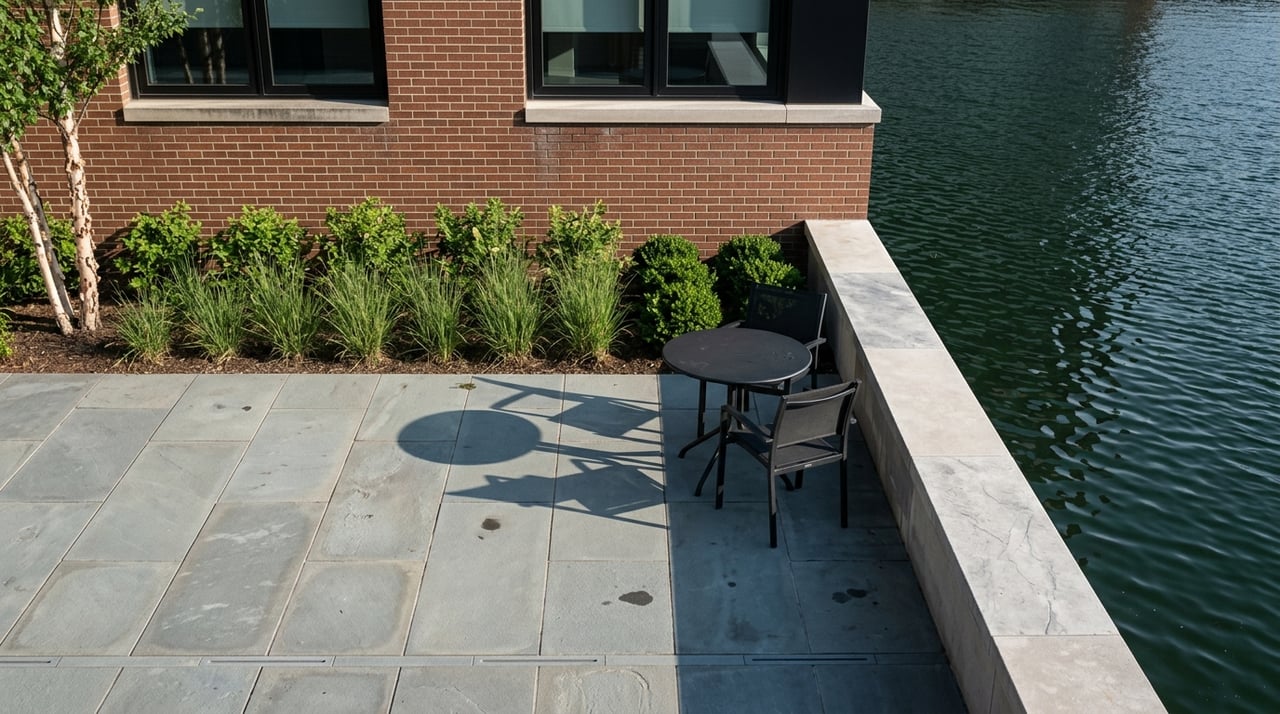
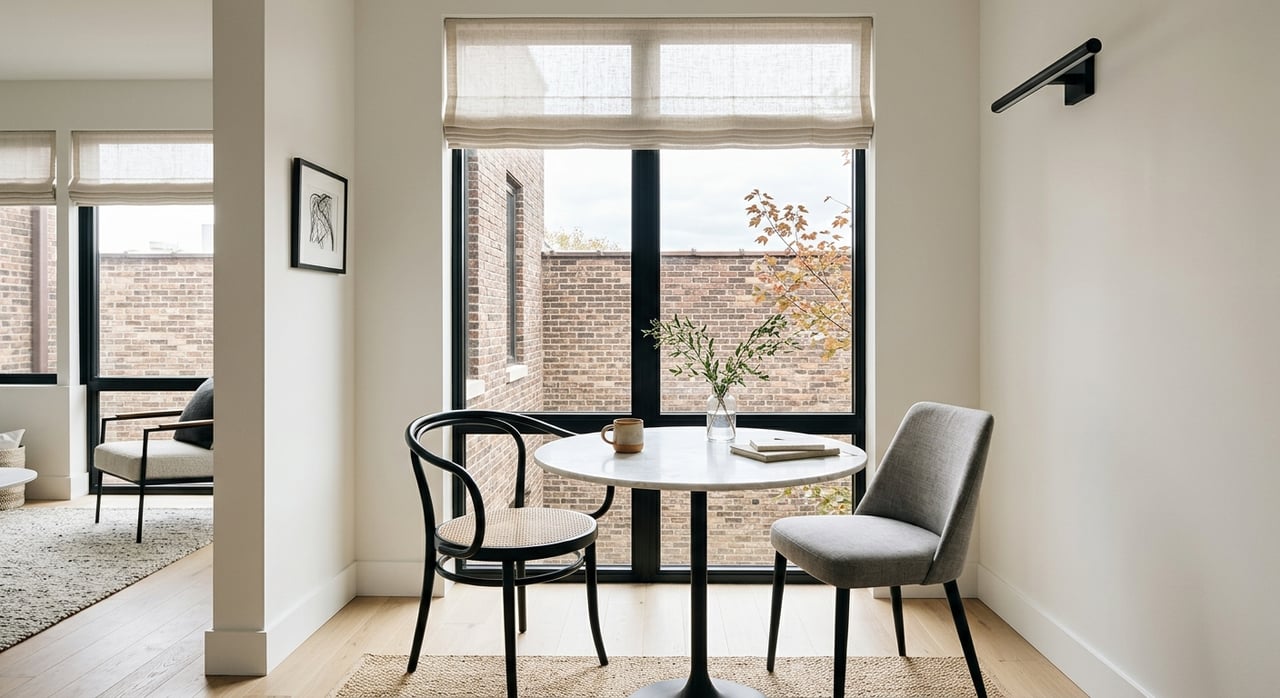
If you want a walkable lifestyle near Metro, restaurants, and daily needs, a downtown condo is a strong fit. The blocks around Wisconsin Avenue, Woodmont, and Bethesda Row concentrate mid- and high-rise buildings with amenities like concierge, gyms, and pools. Many residents can run errands on foot, and the Red Line’s Bethesda Station puts you on rail to DC. The area also links to the Capital Crescent Trail for recreation and bike commuting.
You’ll likely trade private outdoor space and some interior square footage for convenience. Monthly HOA dues fund building upkeep and amenities, which means less hands-on maintenance for you. It is smart to review a building’s budget, reserve study, and any recent special assessments before you buy. Downtown living can also mean more activity and shared walls, which some buyers prefer and others do not.
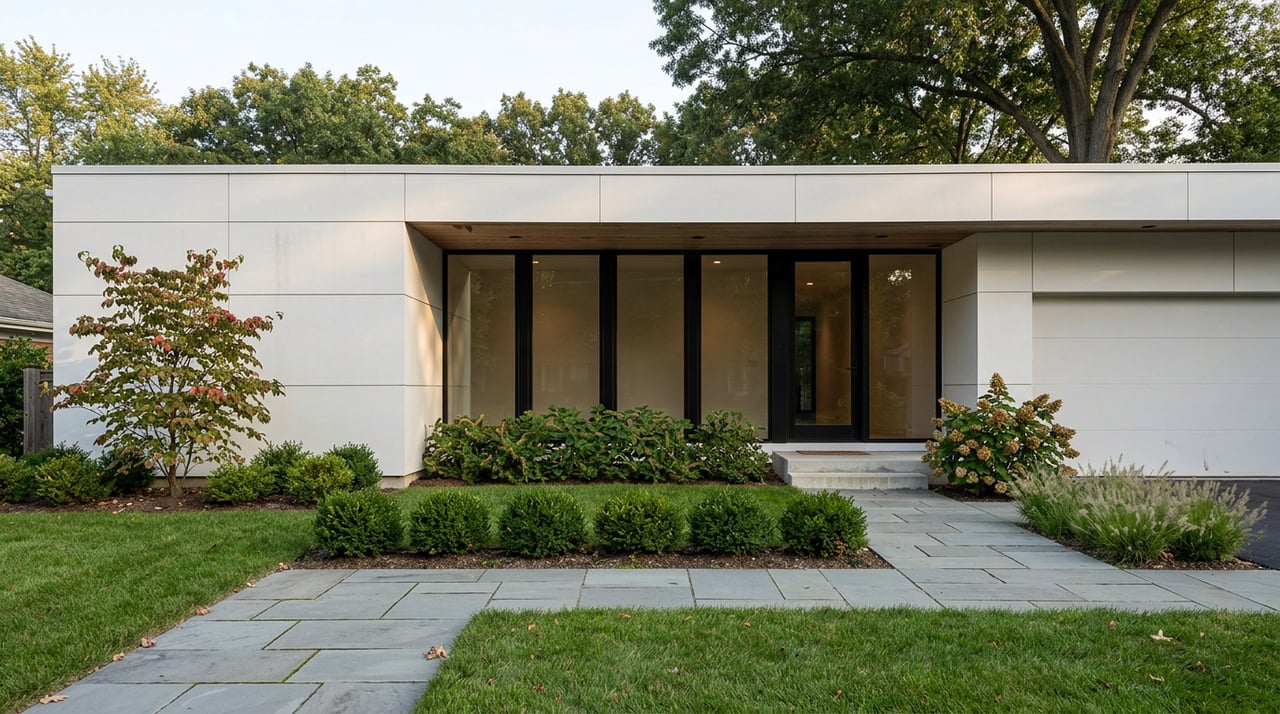
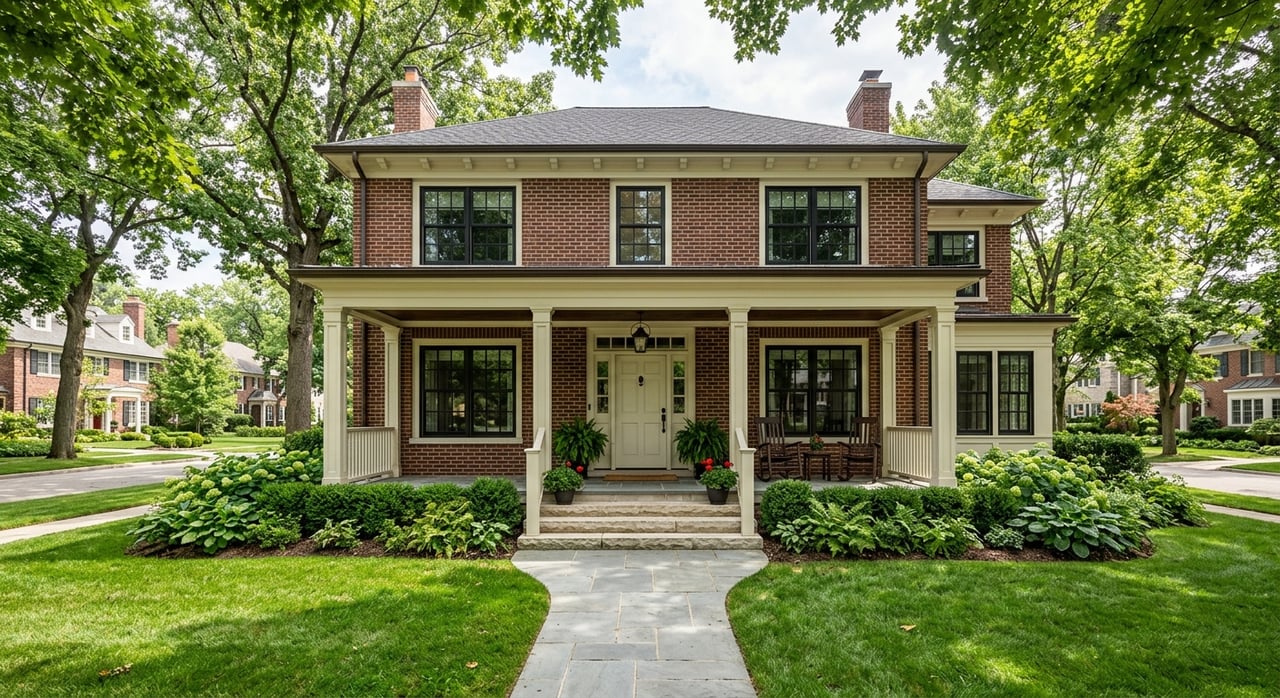
A single-family home delivers more bedrooms, storage, and a private yard for play, gardening, or pets. Established neighborhoods near Bethesda include tree-lined streets with larger footprints, garages, and traditional neighborhood feel. If you need multiple work-from-home spaces or plan to grow, the extra square footage can be a long-term win.
You take on full responsibility for upkeep, from roofs and systems to landscaping and snow removal. A simple planning rule is to reserve about 1 to 3 percent of your home’s value annually for maintenance, adjusted for age and condition. Many single-family pockets are quieter and more residential, which often means more driving to restaurants, Metro, and shops. If schools are a priority, confirm attendance zones by address, since boundaries vary by block within Montgomery County Public Schools.
Montgomery County publishes a weighted average real property tax rate around $1.0255 per $100 of assessed value. That means taxes are a meaningful part of your monthly budget whether you buy a condo or a house. Build a full picture that includes principal and interest, property taxes, insurance, and either HOA dues or a maintenance reserve.
Condo owners pay monthly dues that cover shared systems, exterior maintenance, and amenities. House owners pay fewer fixed community fees but should budget for ongoing repairs. A practical approach is to compare mortgage plus HOA plus taxes plus insurance for a condo, against mortgage plus taxes plus insurance plus a 1 to 3 percent maintenance reserve for a single-family home.
Condo buyers typically carry an HO‑6 policy, which covers the interior of the unit, personal property, and loss assessment exposure. Single-family buyers usually carry an HO‑3 policy that covers the full structure. Ask the condo association about the master policy deductible and what the HOA fee includes so you can right-size HO‑6 limits.
Condos are underwritten at the project level by many lenders. Fannie Mae’s project standards look at things like owner‑occupancy, delinquencies, insurance, commercial space ratios, and reserve funding. If you plan to use conventional, FHA, or VA financing, verify the building’s eligibility early, since project status can affect your loan options and rate.
If your week centers on downtown Bethesda, NIH, or nearby health and research campuses, a condo near Metro can save meaningful time and reduce car use. NIH’s Bethesda campus supports a large local workforce, which helps sustain demand for downtown homes and services. If your routine leans toward weekend yard time, kids’ activities, and home projects, a single-family home may align better with your daily rhythm.
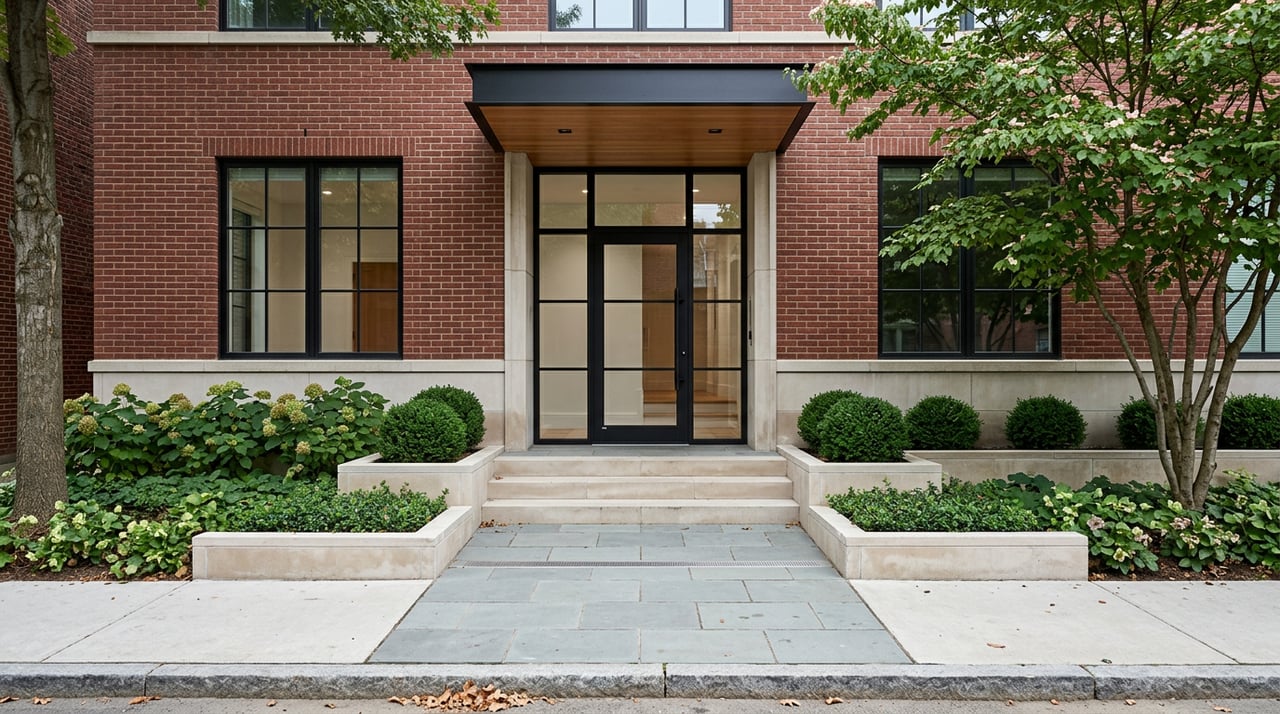
Downtown and the Metro corridor concentrate high- and mid-rise condos with new development and strong amenity packages. Just beyond the core, you will find townhouse and low- or mid-rise condo clusters that balance more space with closer-in commutes. Established single-family neighborhoods offer larger lots, private yards, and garages. For a deeper look at how housing types cluster by block, see the county’s planning documents for the Bethesda plan area.
Use this to narrow your path today.
If you prize time, transit access, and a lock-and-leave setup, a condo near Bethesda’s core is hard to beat. If your must-haves are bedrooms, storage, and private outdoor space, a single-family home likely fits better, with a larger maintenance role. The best choice balances your daily routine, budget, and long-term plans. When you are ready to compare real listings and run the numbers, reach out to the team at Capitol Z Homes for a calm, data-backed plan that fits your life.
Trust, Reliability and Knowledge. We are very passionate about the relationships we build and will always work relentlessly on your behalf to help you achieve your real estate goals.