Living in Georgetown DC Near the Waterfront
March 5, 2026
March 5, 2026
Picture this: dawn on the Potomac, crews gliding under Key Bridge while joggers trace the canal towpath and cafés roll up their shades. If you are drawn to water, brick streets, and a small-village feel inside the city, living near the Georgetown Waterfront can hit the sweet spot. In this guide, you will learn what day-to-day life feels like, how locals use the parks and boathouses, what to expect from housing and prices, and the realities of commuting and parking. Let’s dive in.
Georgetown sits at mile zero of the Chesapeake and Ohio Canal, a historic corridor that now doubles as a daily greenway. You will see neighbors walking dogs, running short loops, and biking to work along the towpath. The National Park Service manages this stretch and continues to improve access and wayfinding, which makes the canal a reliable routine as well as a gateway to longer regional trails. Learn more about the park and connections from the National Park Service’s page for Georgetown Waterfront Park.
The waterfront itself is a string of lawns, shaded seating, overlook points, and a seasonal fountain where kids splash on hot days. It frames wide views of Key Bridge and Theodore Roosevelt Island, which makes it a favorite for lunchtime breaks or sunset walks. Residents use the stepped seating to watch rowing practice and to meet friends before dinner. See the park’s features and layout on the NPS overview.
Boating is part of the neighborhood soundtrack. Near Key Bridge, you will find historic private rowing clubs, recreational rentals, and launch facilities grouped together. Expect a visible mix of training crews, paddleboarders, and kayakers most mornings. For context on this zone’s history and role, the Potomac River boathouse history offers helpful background on the boathouse tradition.
Washington Harbour, the K Street waterfront complex, anchors dining and events on the river’s edge. Terraces fill on sunny weekends, and the central fountain converts to a seasonal ice rink in winter. Tenant mixes shift, with new concepts announced in recent years, so it pays to check current listings and hours. Get a feel for the plaza and winter rink on the Washington Harbour site.
Georgetown’s core is compact and walkable, with short blocks and a blend of independent boutiques, services, and national brands along M Street and Wisconsin Avenue. Many residents can handle coffee, groceries, pharmacy, and quick bites on foot. The neighborhood’s business improvement district supports placemaking and events, which gives weekends a lively, programmed feel. Learn about the BID’s role and local programming on the Georgetown BID page.
Food options range from long-standing neighborhood institutions to special-occasion waterfront dining. You will see casual morning crowds at bakeries and cafés, steady lunch traffic, and destination dinners on weekends. Iconic spots like Blues Alley and historic taverns add an after-hours note distinct from rowdy nightlife strips. For a neighborhood overview that places this variety in context, see the general profile of Georgetown’s setting.
Tourists love the charm here, which means weekend foot traffic, photo stops, and lines at popular spots when the weather is nice. Locals plan errands around peak times and lean on early mornings or later evenings for quiet. There has been community discussion about outdoor dining structures, sidewalks, and visitor infrastructure, with different viewpoints represented over time. For a window into these debates, see this Washington Post opinion piece on tourism and streetscape changes.
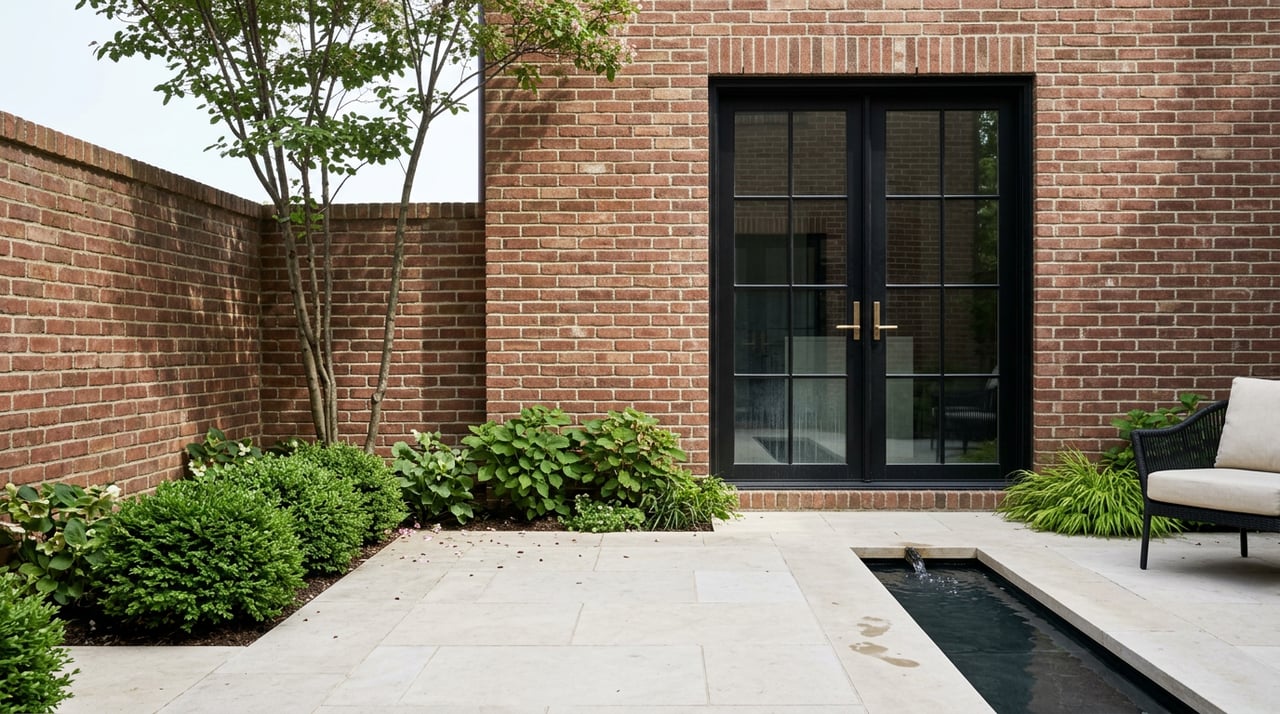
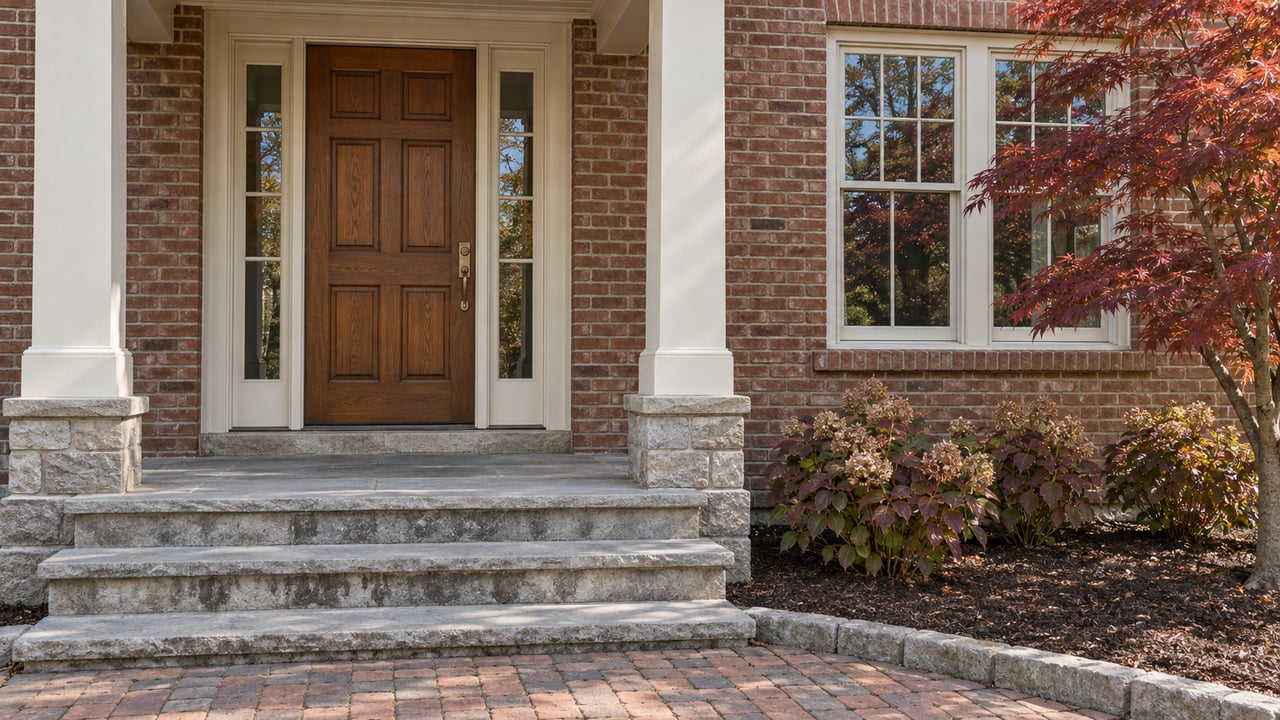
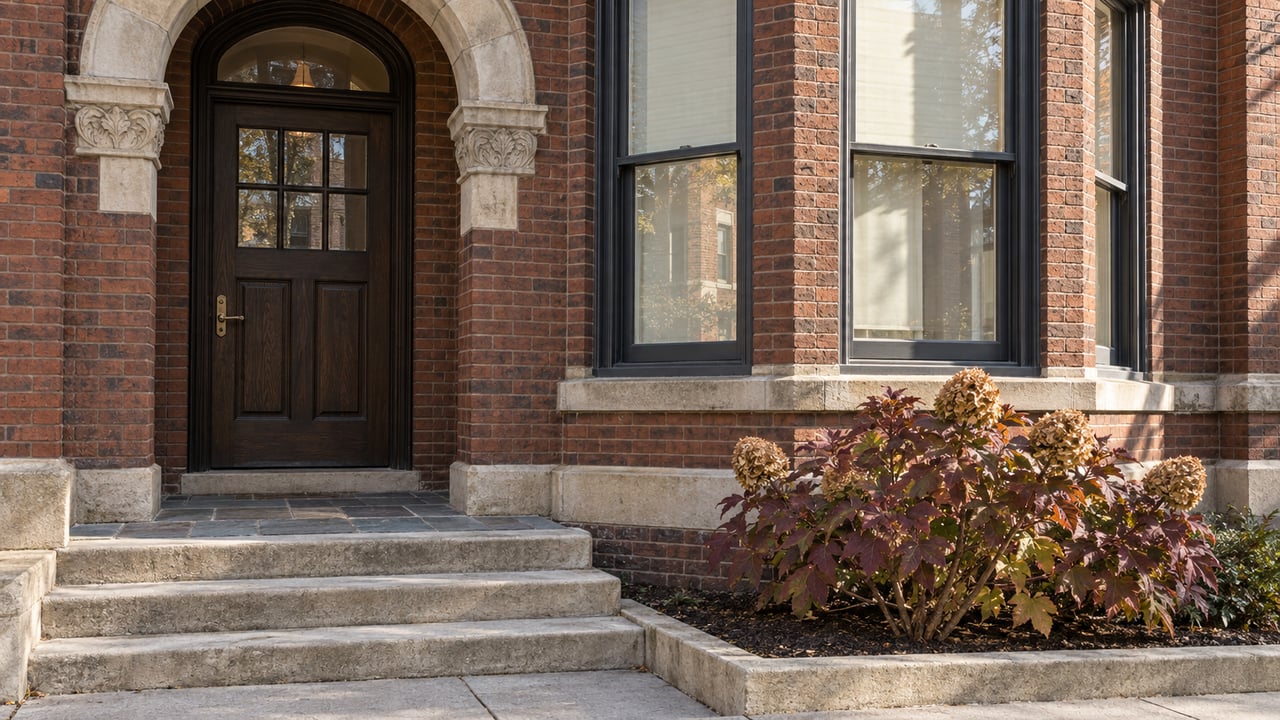
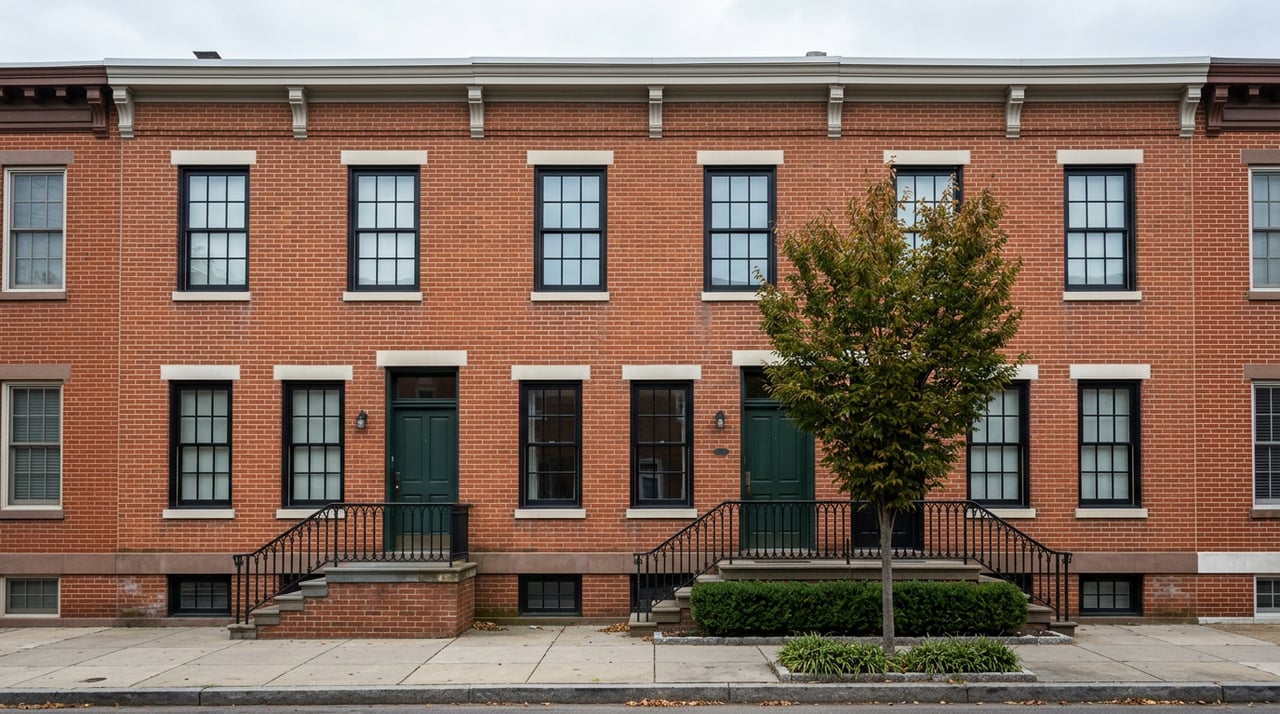
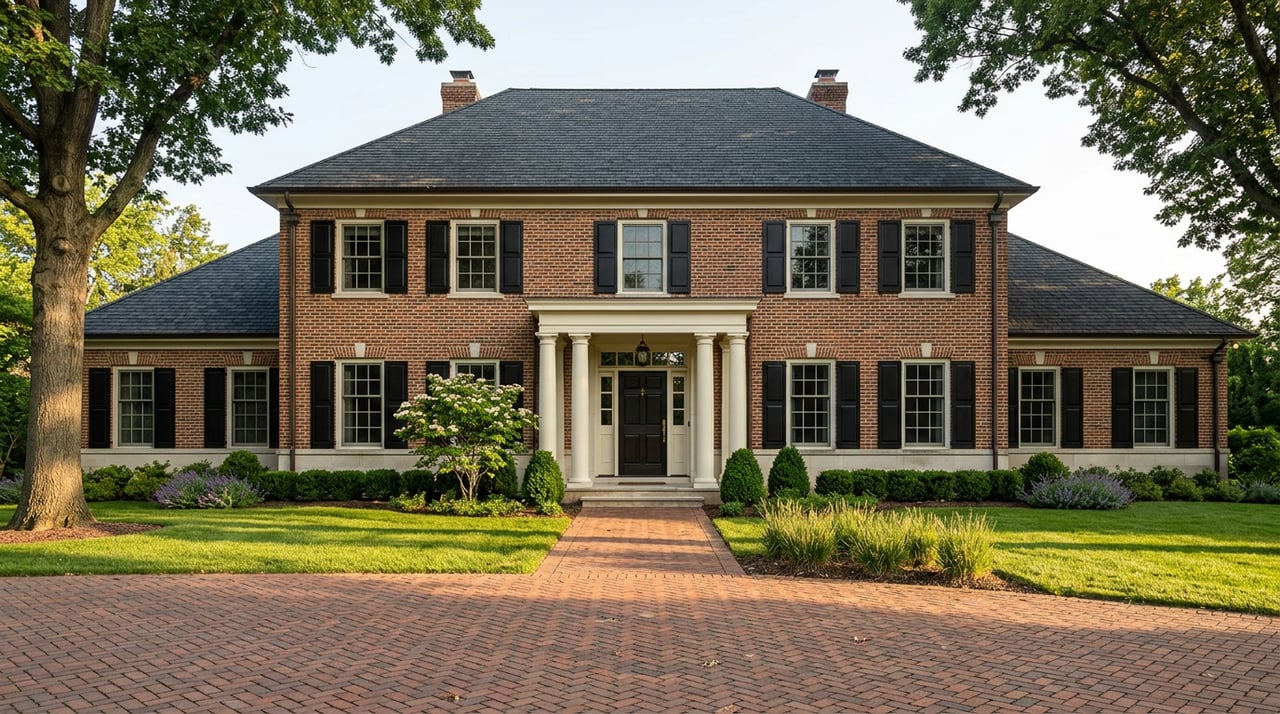
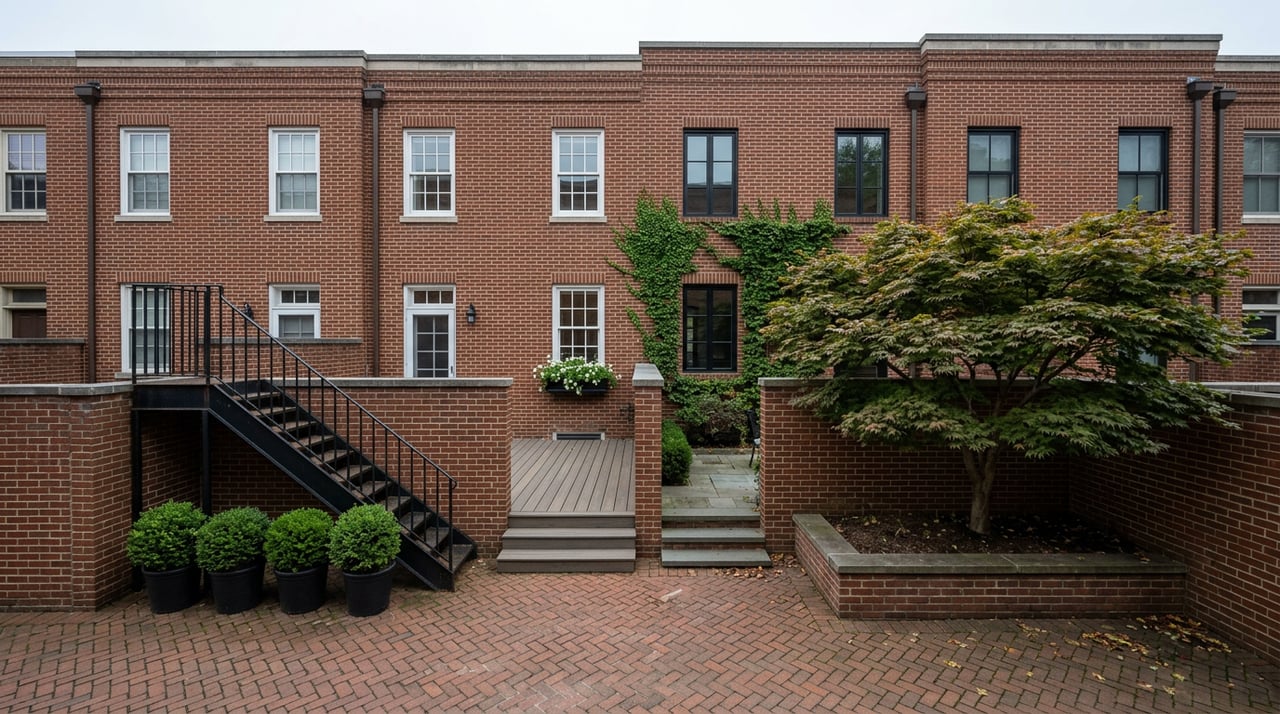
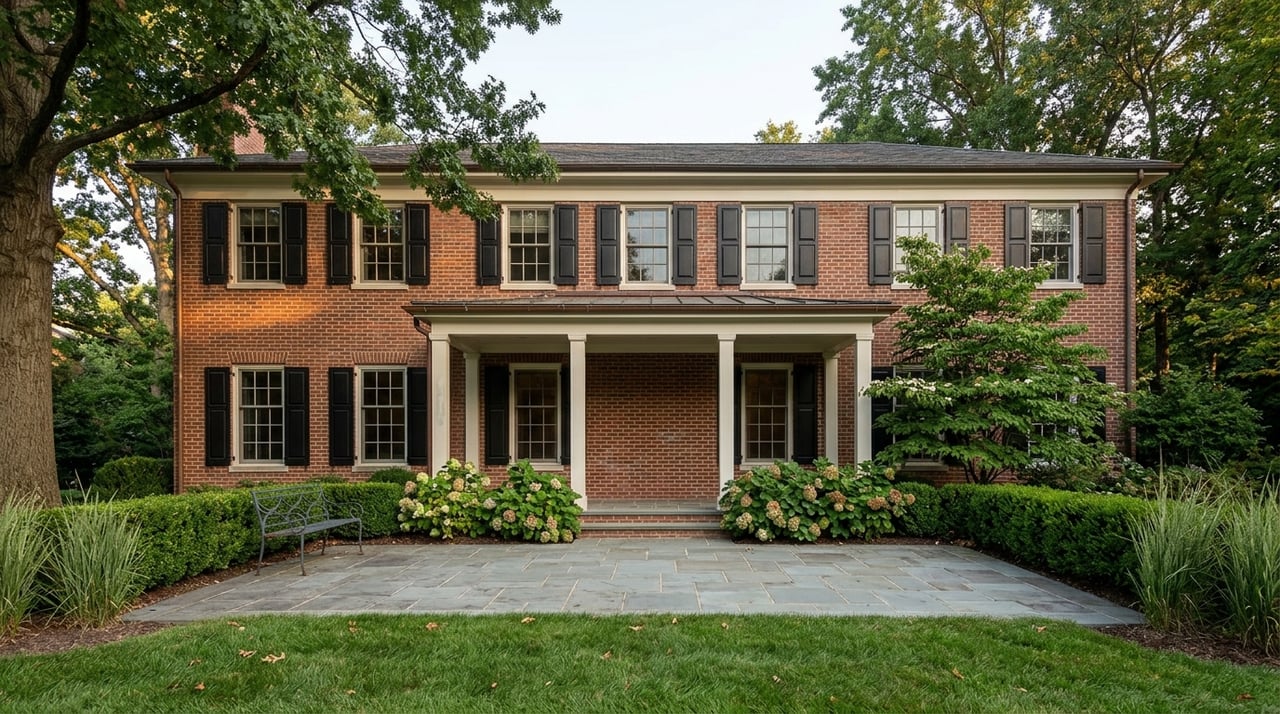
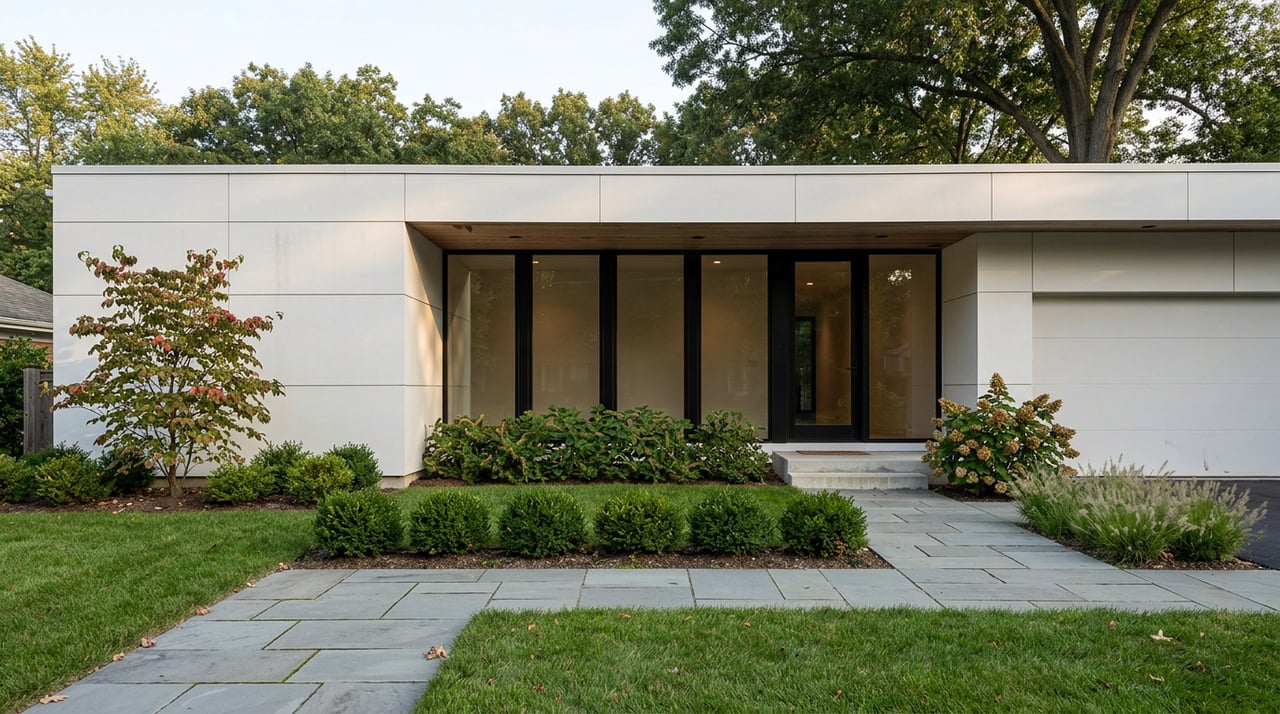
Close to the canal and river, the housing mix includes classic brick rowhouses and townhomes, converted warehouses and lofts, and mid to high-end condominiums. Renovated rowhouses and waterfront condos tend to command premium pricing. This gives you a choice between historic character with private outdoor space or lower-maintenance condo living with elevator access and amenities. See a current neighborhood snapshot of supply and pricing on Redfin’s Georgetown market page.
Recent aggregator data shows high six-figure to multi-million-dollar values in Georgetown, with a January 2026 Redfin snapshot around a $1.8M median sale price for the neighborhood. Numbers shift month to month, and different sources track different metrics, so it is smart to verify the latest data before you make a move. The main takeaway is that proximity to the water and historic charm support consistent price premiums.
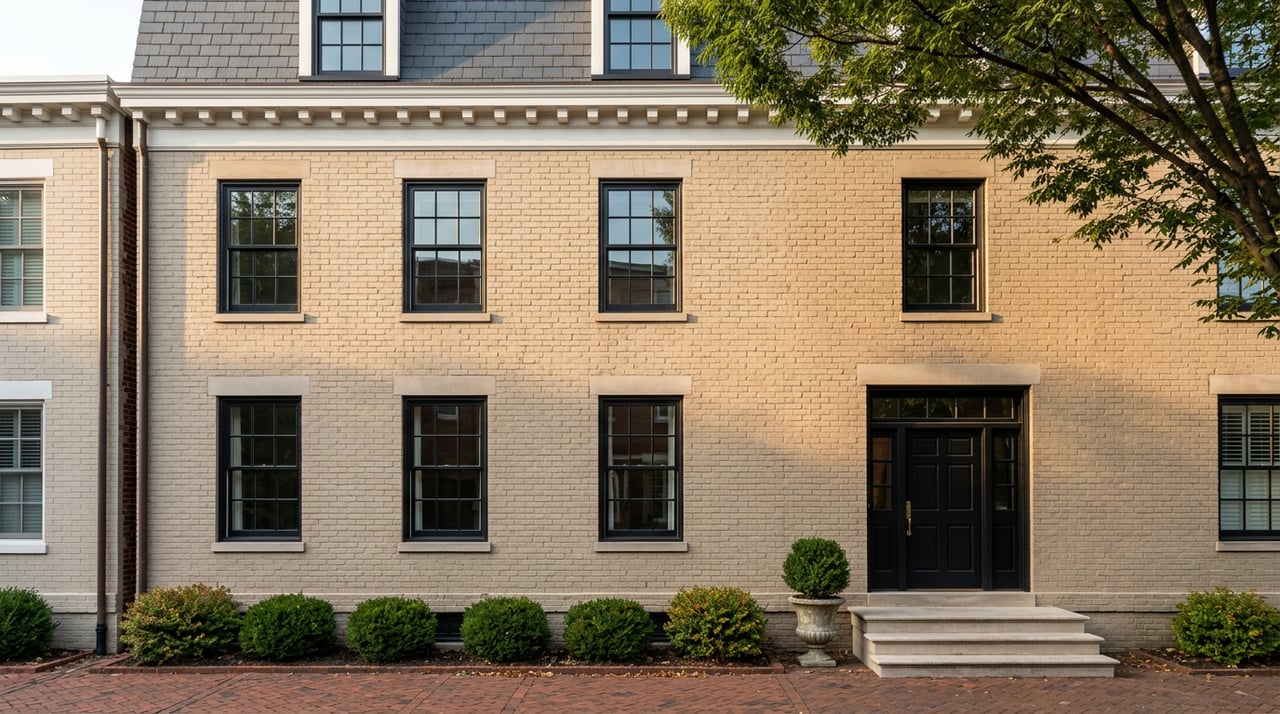
Georgetown is both a local and federal historic district. Exterior changes visible from public spaces require review by the Old Georgetown Board and compliance with D.C. preservation rules. These protections limit large-scale redevelopment and help keep the neighborhood’s fabric intact, but they can add time and cost to renovation plans. If you are considering a project, get familiar with the Old Georgetown FAQs and plan your budget and schedule with those steps in mind.
There is no Metrorail station inside Georgetown. The closest rail options are about a mile away, including Foggy Bottom–GWU, Rosslyn across Key Bridge, and Dupont Circle. Metrobus routes run along Wisconsin Avenue and M Street, and many residents rely on a mix of walking, bus, biking, and ride-hail for daily commutes. The DC Circulator service was phased out in late 2024, so build routines around current bus schedules and walking time; you can find a concise neighborhood overview on Georgetown’s profile.
On-street spaces include many Residential Parking Permit spots in Zone 2, and enforcement can shape how easy visitor parking feels on a given day. Many residents choose a mix of RPP, garage parking, or monthly lot subscriptions for reliability. Visitor passes and performance parking pilots have been part of local discussions at times. For local color and context, see this overview on Georgetown parking myths and strategies.
You will find neighborhood anchors like Safeway, Trader Joe’s within a short walk for many homes, and nearby full-service supermarkets a brief ride away. Specialty shops and convenience options round out the mix along the main corridors. For general neighborhood shopping context close to Georgetown, browse this Burleith-area guide to local stores and confirm hours before you go.
If you value water views, historic architecture, and a walkable, small-scale street grid, the Georgetown Waterfront area delivers daily joy in the simple things: a canal run at sunrise, a fountain-side break, or an easy dinner by the river. The tradeoffs are real: higher price points, tighter inventory, weekend crowds, and added steps for renovation. Many residents find the rhythm worth it when their routine fits the place. If you want help balancing lifestyle goals with the market, we are here to guide you.
Ready to explore listings or talk strategy for buying or selling near the water? Reach out to Capitol Z Homes for neighborhood-smart guidance and a plan tailored to you.
Trust, Reliability and Knowledge. We are very passionate about the relationships we build and will always work relentlessly on your behalf to help you achieve your real estate goals.