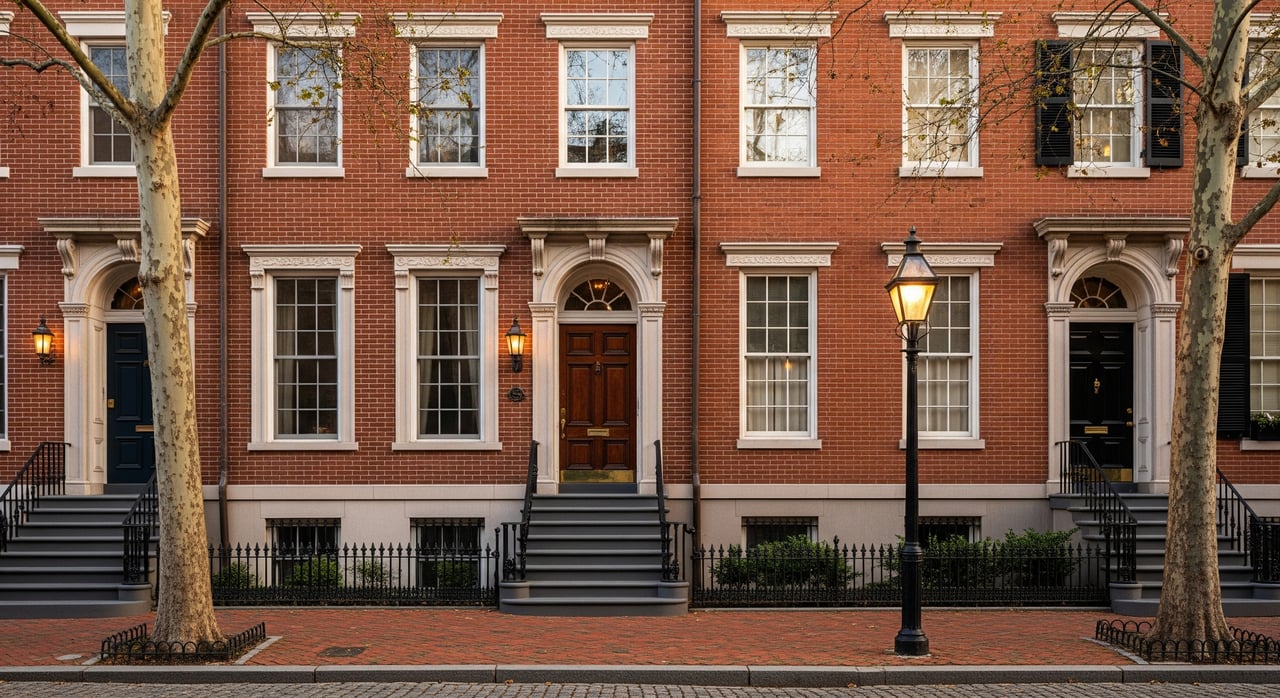
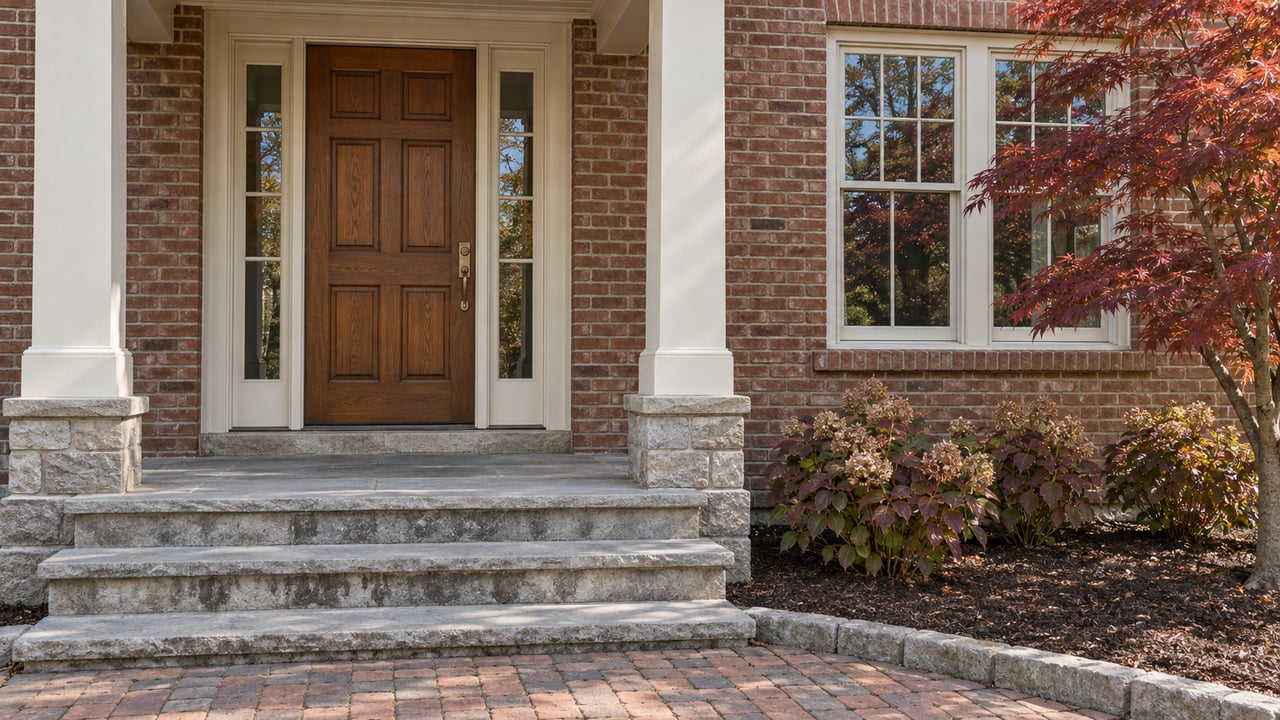
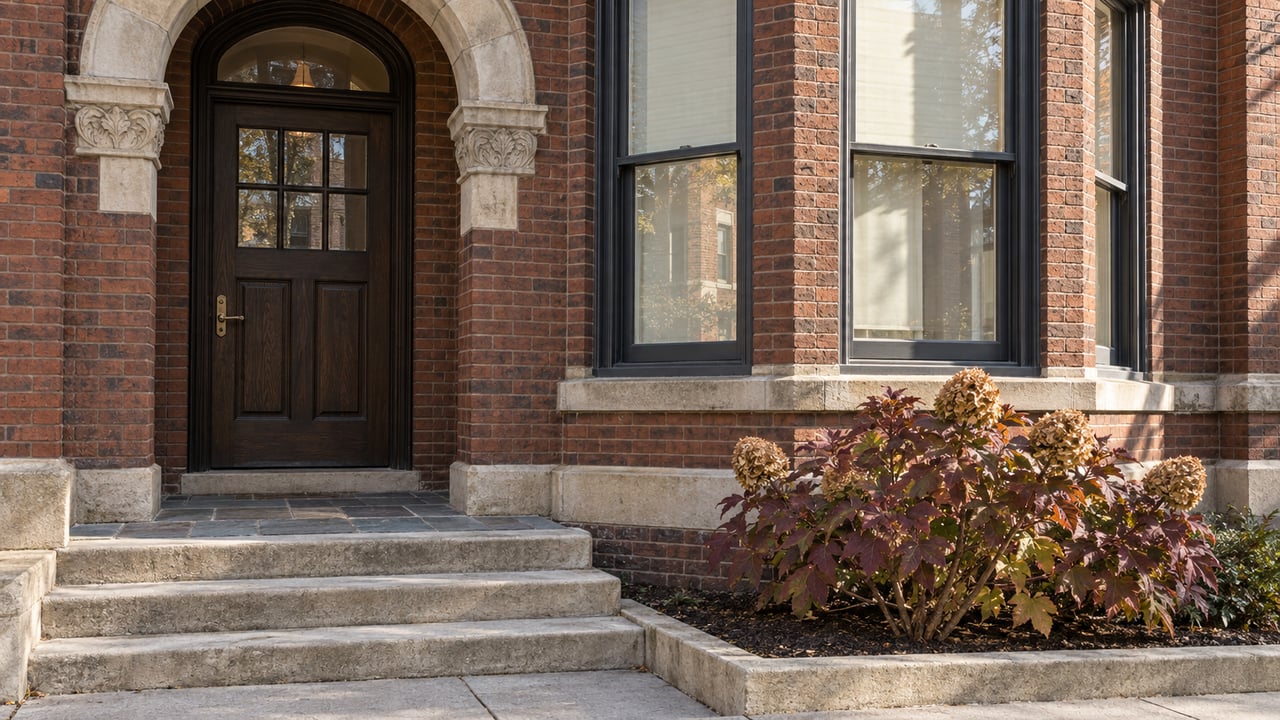
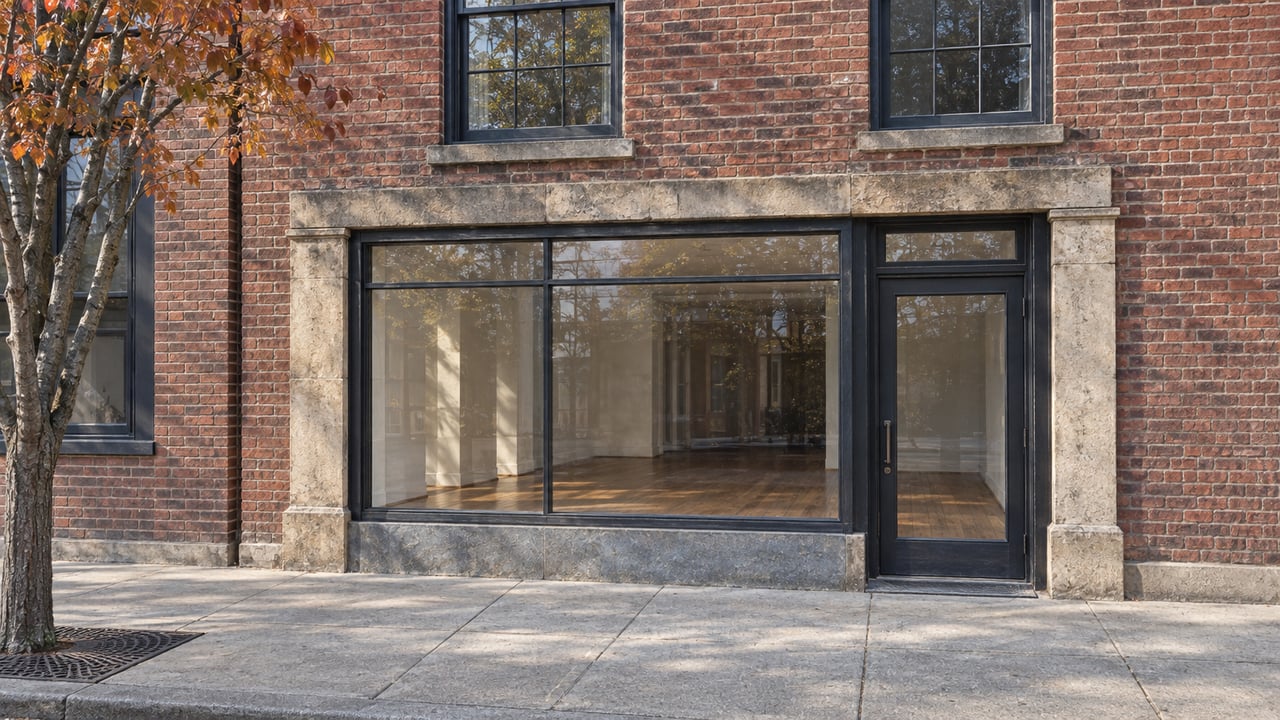
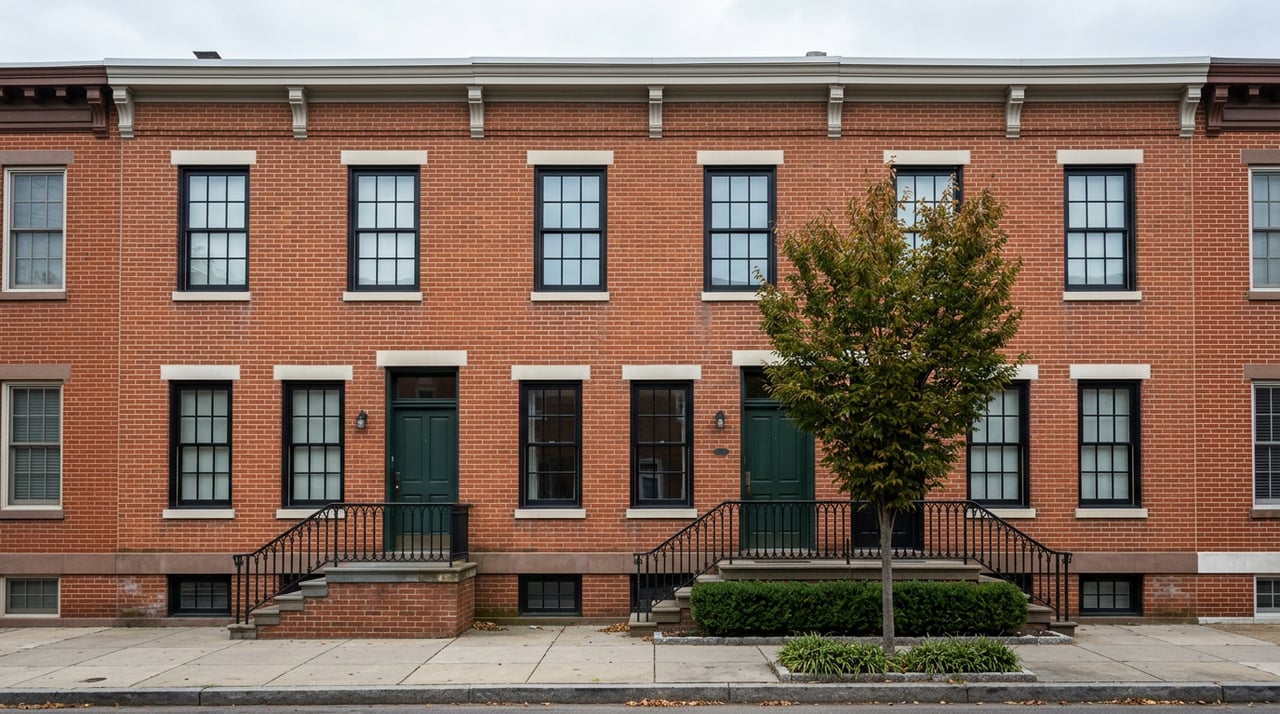
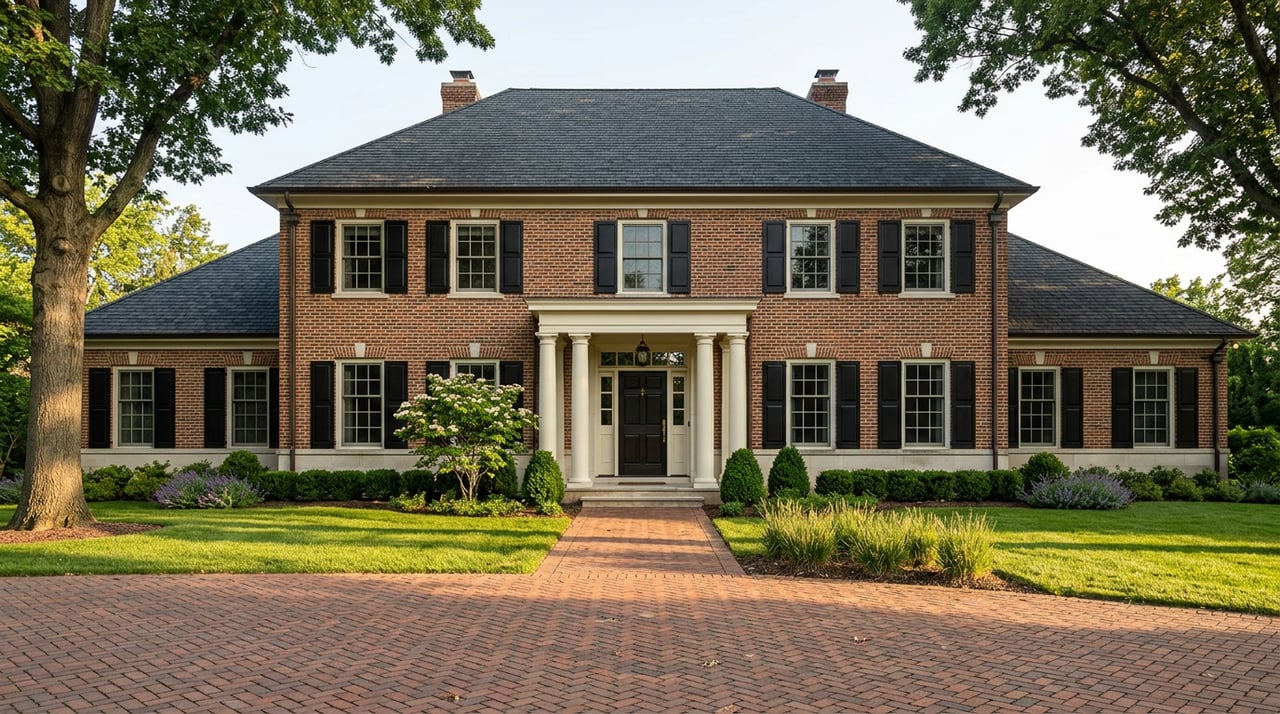
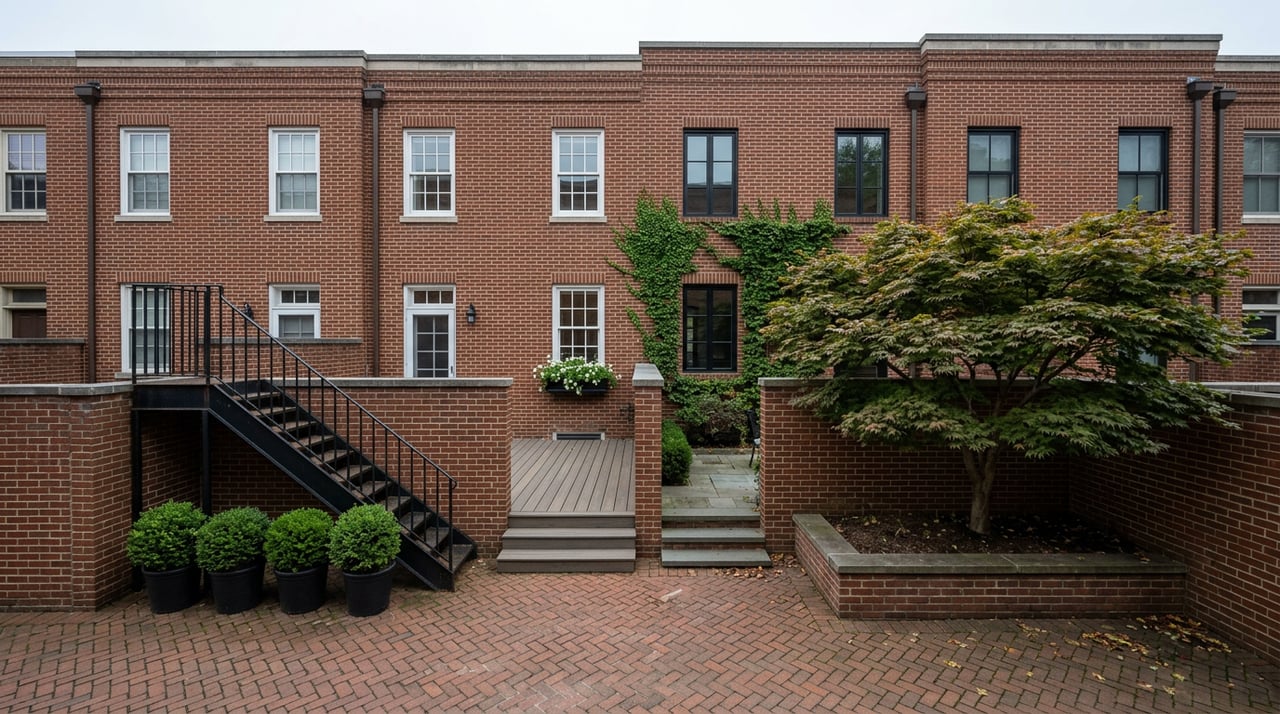
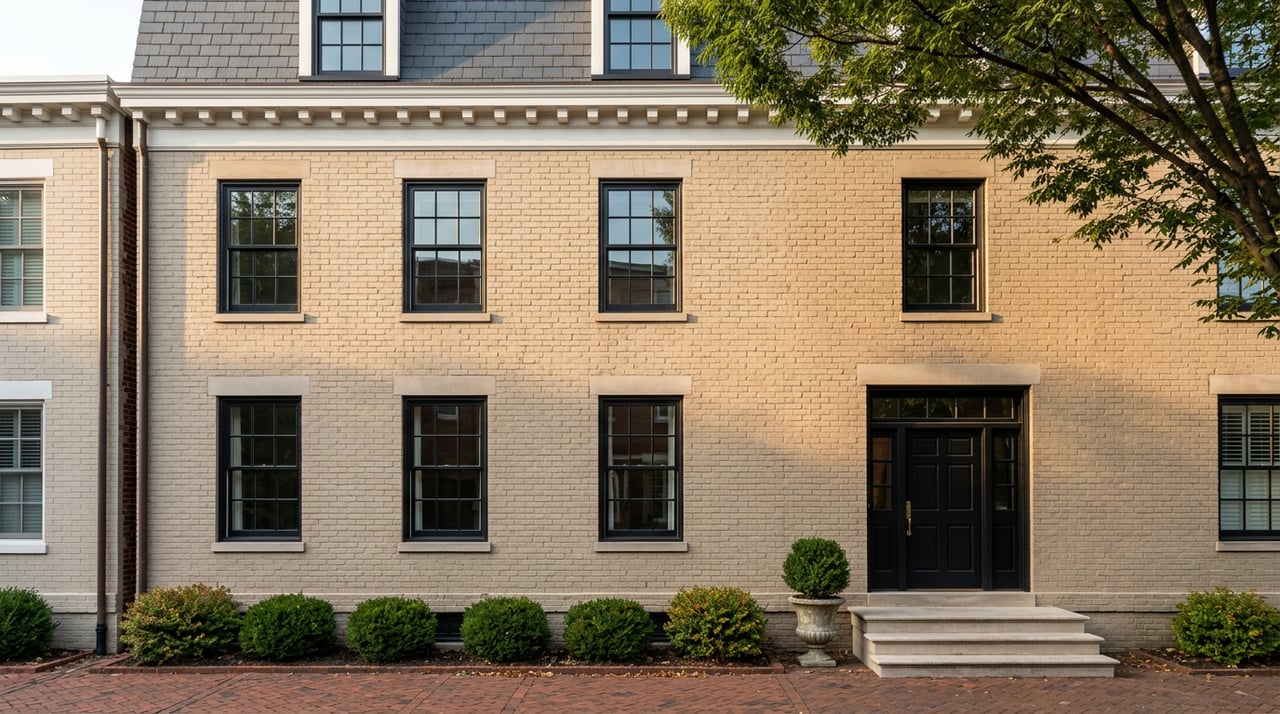
Falling for Georgetown’s brick streets and classic rowhouses is easy. Figuring out what you can change after you buy takes more care. If you plan to update a home in the Georgetown Historic District, there are clear rules, extra reviews, and realistic timelines to plan for.
This guide explains how exterior review works in Georgetown, what projects usually need approval, typical timelines and cost drivers, and a simple buyer checklist. You will be ready to align your purchase with your project plan so you can move in with fewer surprises. Let’s dive in.
Why Georgetown review is unique
In Georgetown’s Historic District, exterior changes that are visible from a public street, alley, or park generally need design review from the Old Georgetown Board. The Board’s job is to protect the historic character of building exteriors and streetscapes. If your project changes what people can see from public space, it likely triggers review.
You may interact with more than one body. Along with the Old Georgetown Board, projects can involve the D.C. Historic Preservation Office or Historic Preservation Review Board for preservation policy questions, and the D.C. permitting authority for building, structural, and trades permits. Advisory Neighborhood Commissions and neighborhood groups are not permitting agencies, but they often comment and can affect timing.
If you are buying a condo or co-op, remember that common elements such as windows, roofs, and facades are typically governed by the association. You will need internal approvals along with any historic review when the work is visible from public space.
What work usually needs approval
The trigger in Georgetown is visibility from a public way. Interior-only projects that do not change exterior appearance typically do not require design review. Common exterior work that often needs review includes the items below.
Additions and new construction
- Rear or rooftop additions, dormers, and vertical expansions.
- New infill buildings on vacant lots or replacements.
Demolition and character elements
- Full or partial demolition of contributing buildings.
- Removal of key elements such as cornices, stoops, or original facades.
Façade changes
- Moving, enlarging, or replacing street-visible windows and doors.
- Changing stoops, steps, porches, and railings.
- Masonry cleaning, repointing, or painting previously unpainted brick.
Roof and cornice work
- Replacing visible roofing materials, especially when switching from slate to modern products.
- Adding or enlarging dormers or skylights that can be seen from public space.
Mechanical and systems
- Roof equipment like HVAC condensers, vents, satellite dishes, and solar panels if visible from a public way.
Fences and hardscape
- Front fences, gates, boundary walls, and front-yard terraces.
- Driveway openings, paving changes, curb cuts, and retaining walls visible from the street.
Storefronts and signage
- For commercial properties, storefront design, signage, awnings, and exterior lighting facing the street.
Materials and finishes
- Changing façade materials, such as adding synthetic siding where historic masonry exists.
- Painting previously unpainted masonry, which often raises preservation concerns.
Condominiums and common elements
- Exterior items that are common elements, including windows and roofs, generally need association approval and design review when visible. Coordinate early with your board or management company.
How the review process works
A smooth review starts with a clear plan and the right team. Here is the typical path for projects that affect visible exteriors.
Pre-application consultation
Many owners begin with an early conversation with preservation staff. This step helps flag issues before you spend on full drawings. It can reduce rework and keep you on schedule.
Submission for review
You can submit a concept package at a schematic level or a final package with detailed drawings. Some minor, repair-type work may qualify for administrative handling, but confirm that with staff before you assume a faster path.
Public meeting or hearing
The Old Georgetown Board reviews your submittal in a public meeting, asks questions, and may grant concept approval, conditional approval, or request revisions. If revisions are needed, you will resubmit with updated drawings or material specs.
Permitting and inspections
After Board approval, you still need building and trades permits from the D.C. permitting authority. Those reviews focus on code, structure, and safety. During construction, inspectors will verify that the work matches approved plans. The Board may also expect the finished project to align with the approved drawings and materials.
What to include in your submittal
Prepare a complete, clear package so reviewers can say yes with confidence:
- Site plan showing lot lines, adjacent context, and public way orientation.
- Context photos of the streetscape and existing façades.
- Scaled elevations of existing and proposed conditions.
- Sections and plan drawings for additions, dormers, and rooftop work.
- Material samples or specifications for windows, roofing, trim, and paving.
- Historic photos or documentation if available for rehabilitations.
- Details for storefronts, railings, cornices, and custom elements.
- Diagrams showing the visibility of any mechanical equipment from public ways.
Timelines you can plan for
Meeting schedules and submittal cycles drive timing. Build realistic expectations into your offer and renovation plan.
- Simple repairs or minor changes such as repair of window sash, paint, or replacement-in-kind: a few weeks to 2 to 3 months from first contact through approval and permitting when documentation is straightforward.
- Moderate projects such as street-visible window replacements, small rear additions, or limited storefront updates: about 2 to 4 months including concept review, revisions, and permit filing.
- Complex projects such as rooftop additions, multi-story rear additions, new construction, or demolition: 4 to 12 months or more, especially if there are multiple review rounds, involvement from other boards, community feedback, or zoning relief.
- Permitting after design approval: add several weeks to months depending on project complexity and code review cycles.
Factors that can extend your schedule include deferrals that require re-submittals, neighborhood or Advisory Neighborhood Commission concerns that prompt more outreach, zoning relief, complex structural work, or coordination with federal or archaeological reviews on sensitive sites.
Budgeting and cost drivers
Historic work can cost more than standard updates. Plan your budget with the right line items and a healthy contingency.
- Design and consultant fees. Preservation-experienced architects and engineers are worth it. Detailed historic drawings take time and reduce risk.
- Permit and review fees. Expect fees for permits and for plan sets needed to obtain them. Some design review steps may not carry a fee, but always check current schedules.
- Construction and materials. Restoration-grade materials such as wood windows, slate roofing, copper gutters, and custom masonry typically cost more than off-the-shelf alternatives.
- Access and logistics. Narrow streets, limited staging areas, and tight property lines increase scaffolding, traffic control, and duration costs.
- Compliance and conditions. Approvals often come with conditions such as specific mortar mixes for repointing or historically appropriate window profiles. Build those costs into your plan.
- Condo-specific costs. Associations may require licensed contractors, specific insurance, and board approvals, and they may levy special assessments for common elements.
- Contingency. Older buildings often reveal hidden issues such as wood rot or structural needs. Many owners set aside 10 to 30 percent depending on project risk.
High-impact items that move the budget include windows, specialty roofing and cornice restoration, proper masonry repointing and cleaning, custom storefront rehabilitation, and rooftop additions that need structural reinforcement and careful detailing to reduce visibility.
Buyer checklist before you make an offer
Use this simple checklist to protect your timeline and budget.
- Ask for prior approvals. Request copies of any Old Georgetown Board approvals, permits, and Certificates of Appropriateness, plus any notices of violations.
- Review condo or HOA documents. Read bylaws, minutes, and architectural rules that govern exterior changes and common elements.
- Confirm visibility. Walk alleys and nearby public spaces to see what parts of the property are actually visible to the public.
- Hire experienced pros. Interview architects, preservation consultants, and contractors who have completed Georgetown projects.
- Schedule a pre-application chat. Use early staff input to shape your concept and avoid major redesigns.
- Expect conditions. Plan for material or detail requirements to be part of your approval.
- Document emergencies. If stabilization is needed, notify preservation staff quickly and keep records.
- Engage early. If your project may draw interest, consider briefing neighbors and the Advisory Neighborhood Commission before your hearing.
Tips for condo buyers in Georgetown
- Confirm who controls windows, doors, and exterior finishes. These are often common elements, even if they serve your unit.
- Ask about upcoming assessments tied to exterior work. A planned window or roof program can affect your costs and timeline.
- Get the process map. Understand the association’s internal approval steps, submission deadlines, and contractor requirements so you can align them with design review.
Plan your purchase and project together
If you are buying with a renovation in mind, line up your design team and a realistic schedule before you write the offer. Build in time for concept review, possible revisions, and permitting. If you need to move quickly, consider phasing your work so you can start with interior updates while exterior review proceeds.
A little preparation goes a long way. With a clear scope, the right professionals, and an honest timeline, you can respect Georgetown’s character and get a finished result you love.
Ready to buy in Georgetown and map your project from day one? Our boutique team can connect you with preservation-savvy architects and contractors, coordinate the moving parts, and help you make confident decisions. Reach out to Capitol Z Homes to start a friendly, no-pressure conversation.
FAQs
What is the Old Georgetown Board and when is approval required?
- The Old Georgetown Board reviews exterior changes that are visible from public streets, alleys, or parks, so if your work can be seen from a public way, approval is typically required.
How long does a small exterior approval take in Georgetown?
- Simple repairs or minor changes often take a few weeks to 2 to 3 months from first contact through approval and permitting if your documentation is complete.
Do condo owners need approval to add rooftop HVAC equipment?
- Yes if the equipment is visible from a public way, and condo owners also need association approval because roofs are usually common elements.
Can I paint previously unpainted brick on a Georgetown rowhouse?
- Painting previously unpainted masonry often raises preservation concerns and typically requires review to ensure the façade’s historic character is maintained.
What documents should I request when buying a Georgetown property with past work?
- Ask for prior approvals and permits, any Certificates of Appropriateness, records of violations or enforcement, and for condos, bylaws, minutes, and architectural rules.