Buying your first home in Fairfax County can feel like a maze of choices, trade-offs, and acronyms. You might be wondering where your budget stretches, how long your commute will be, and whether a condo, townhome, or small detached home fits your life. You want clear, local guidance without the jargon. In this guide, you’ll learn the core differences between popular starter-home types, what HOA and condo rules really mean, how commute and transit affect price, and where to find reliable financing and assistance. Let’s dive in.
What counts as a starter home
Starter homes in Fairfax County usually fall into three groups: garden condos, townhomes, and smaller single-family detached houses. Each offers a different balance of price, space, maintenance, and commute access. Here’s how to think about the fit for your lifestyle.
Garden condos
Garden condos sit in low-rise buildings that are often one to three stories. Units typically range from studios to two bedrooms, with shared walls, stacked layouts, and patios or small balconies. Many communities were built in the 1970s through the 1990s and include surface parking, a pool, or a small fitness room.
- Pros: Lower entry price, less yard work, and exterior maintenance handled by the HOA. Good if you want low upkeep and a location near jobs or transit.
- Cons: HOA rules and fees, less storage and privacy, and resale can be more sensitive to condo market conditions. Some buildings face financing limits if they are not FHA approved.
- Best for: Singles, couples, or downsizers who value convenience and simplicity.
Townhomes
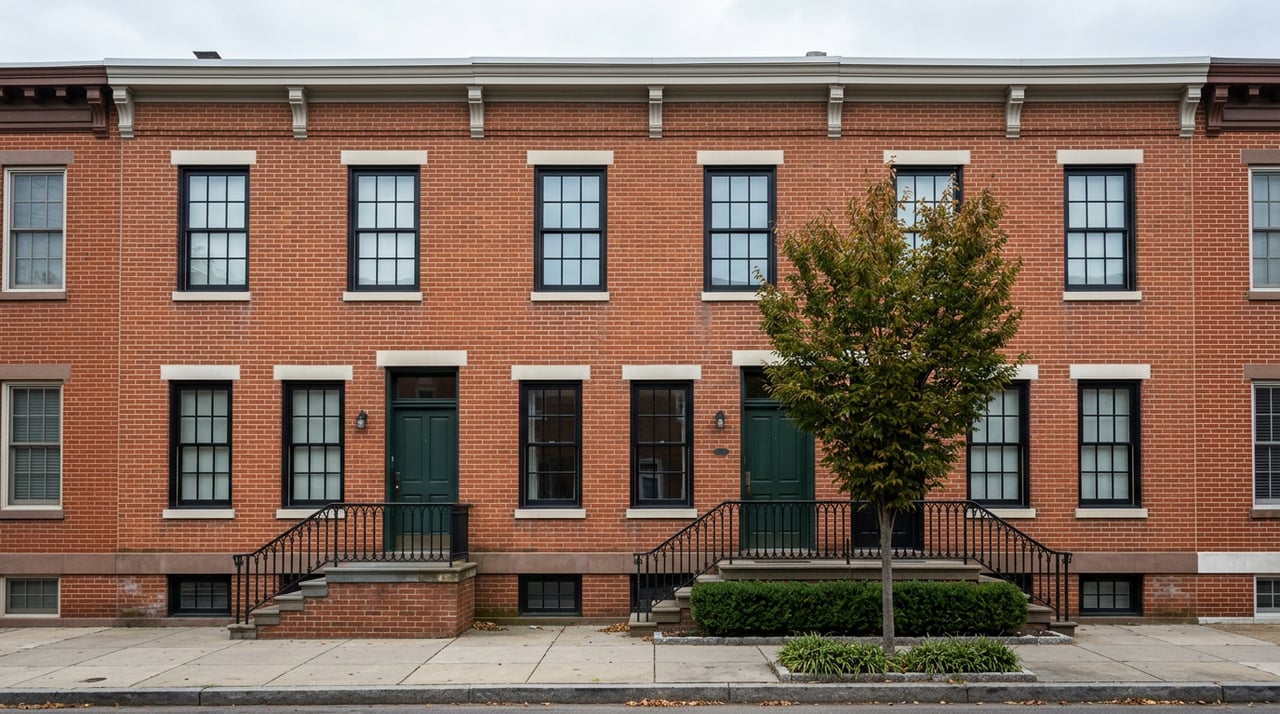
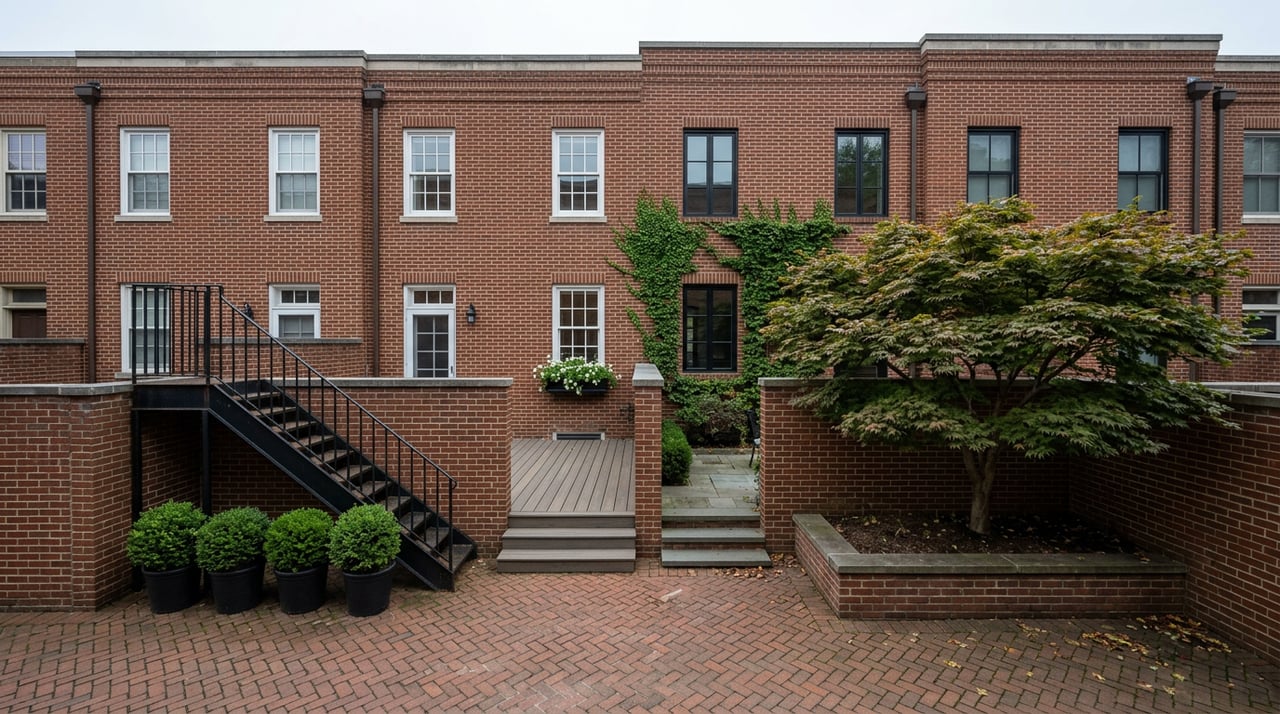
Townhomes offer multiple stories of living space, often with a small yard or patio and a private garage. HOA fees tend to be moderate and focus on common areas and exterior elements.
- Pros: More interior space than many condos, more privacy, and easier financing than non-approved condos.
- Cons: Stairs and multi-level living, some exterior upkeep, and HOA parking rules to follow.
- Best for: First-time buyers who want a blend of space, value, and lower maintenance.
Smaller single-family homes
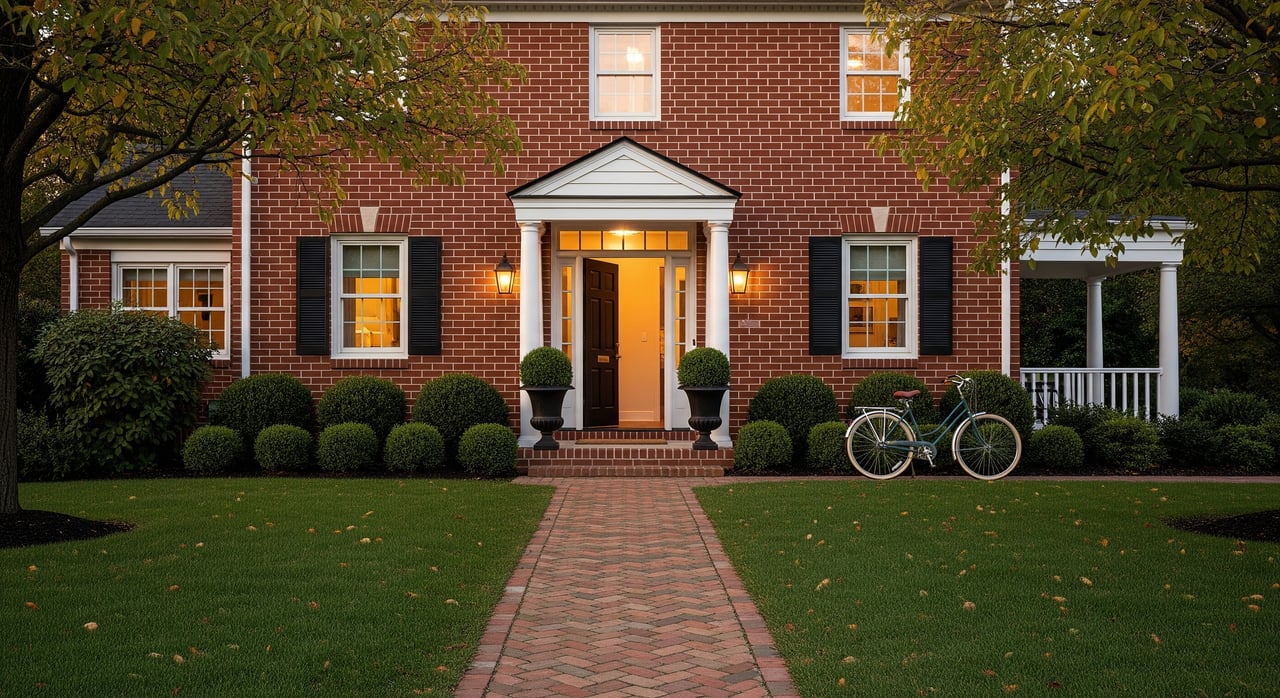
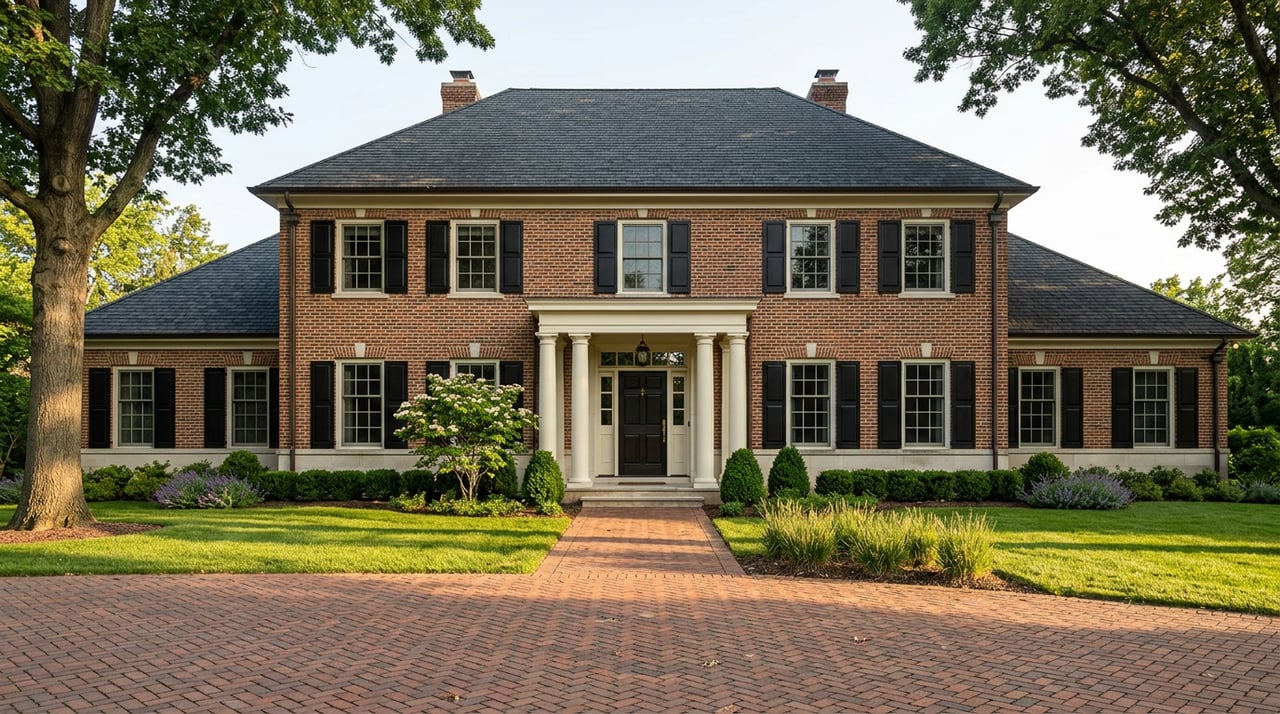
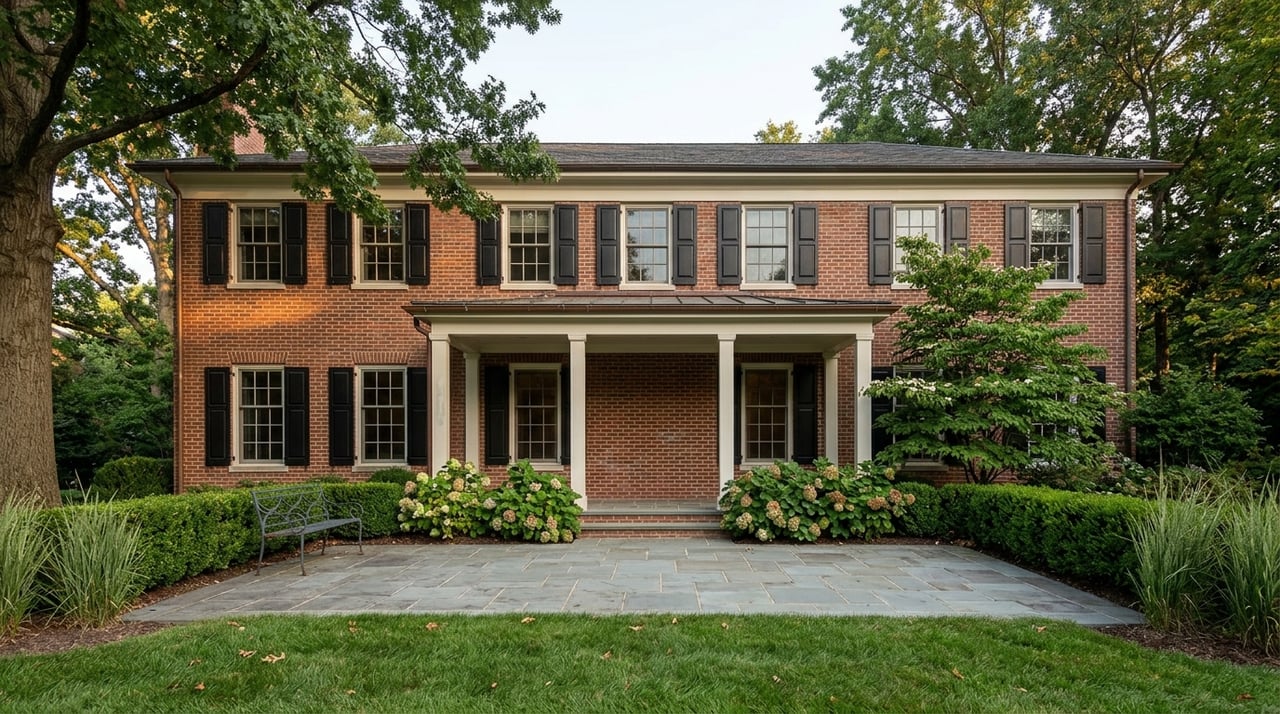
Detached houses on smaller lots give you the most control. Many are older homes that may need updates. You get a private yard and room to grow.
- Pros: Maximum privacy and flexibility, better potential to add value through renovations, and broad buyer appeal at resale.
- Cons: Higher price point and property taxes, plus full responsibility for maintenance and utilities.
- Best for: Buyers planning to grow or who want freedom to renovate and personalize.
Where your budget goes
Within the same neighborhood, garden condos usually start lower, townhomes sit in the middle, and detached homes cost more. Prices shift based on proximity to transit, major job centers like Tysons and Reston, and the age and condition of the property. Renovated homes and communities with more amenities tend to carry premiums.
- Close-in and transit-adjacent: Areas near Metro stations along the Silver and Orange Lines often command higher prices. Smaller condos or compact townhomes close to stations can help you trade space for location.
- Middle and suburban options: Neighborhoods in Springfield, Burke, South and West Fairfax, and parts of Annandale often offer more townhomes and smaller detached homes that stretch a starter budget further.
- Commute trade-offs: Farther-out pockets of Fairfax County typically deliver more square footage and larger lots, but you may add 20 to 45 minutes or more to peak-hour drive times. Actual times vary by day, route, and whether you use express lanes.
To keep comparisons current, review local snapshots from the Northern Virginia Association of Realtors. You can use NVAR’s market resources to track 12-month medians, days on market, and sale-to-list ratios by property type.
Commute and transit factors
Transit access is a major value driver in Fairfax County. If you want to reduce driving, explore station-adjacent options and commuter services.
- Metro: The Orange Line reaches Vienna. The Silver Line runs through Tysons, Reston, and Herndon. Study routes and frequency on WMATA’s site.
- Buses and commuter rail: Fairfax Connector buses offer key connections to Metro and job centers. See routes and schedules on the Fairfax Connector site. VRE commuter rail also serves regional commuters.
- Express lanes: I-66 and I-495 express lanes can save time for a toll. Check updates and projects through the Virginia Department of Transportation.
If a walkable station location is out of budget, consider neighborhoods near park-and-ride lots or reliable bus lines. You may save on housing costs without giving up transit access.
HOA and condo know-how
If you’re eyeing condos or townhomes, plan to review the HOA or condo association’s health during your due diligence. Strong associations protect your investment and reduce surprise costs.
What fees often cover:
- Exterior and common-area maintenance
- Landscaping, snow removal, and trash
- Some utilities for common areas
- Contributions to reserves for long-term repairs
- Common amenities such as a pool or small gym
- Insurance on common areas and the building shell under the master policy
Key documents to request and review:
- CC&Rs and bylaws: Rules on rentals, pets, parking, and architectural changes
- Budget and financials: Operating budget, recent P&L, and assessment history
- Reserve study and reserve balance: Signals the likelihood of future assessments
- Board meeting minutes: Look for litigation, major projects, maintenance issues
- Insurance certificate or master policy summary: Clarifies coverage and owner responsibilities
- Owner occupancy and rental percentage: Can affect financing and future resale
Red flags to watch for:
- Ongoing litigation or repeated special assessments
- Low reserves or unclear financial statements
- High delinquency rates on dues
- Pet or rental rules that conflict with your plans
Financing and assistance for first-time buyers
Most first-time buyers in Northern Virginia use FHA, VA, or conventional loans with low down payments. USDA loans are rare inside Fairfax County limits. Compare programs and confirm eligibility early.
- FHA loans: Lower down payments, but condo buyers should confirm whether the project meets approval criteria. Get general FHA program info through HUD’s resources and verify building eligibility with your lender.
- VA loans: Eligible active-duty service members and veterans can access 0 percent down financing. Review benefits and requirements on the VA home loans page.
- Conventional loans: Many lenders offer 3 to 5 percent down options for well-qualified buyers.
- State and local assistance: Explore down payment help and education programs via Virginia Housing and the Fairfax County Department of Housing and Community Development. Programs change, and many have income and purchase price limits, so check details directly.
Tip: Have your lender review the condo or HOA’s financials during your study period, especially for condos. Complexes with weak reserves or recent special assessments can be flagged by underwriters.
How to compare homes side by side
Make apples-to-apples comparisons within your target ZIP codes or school pyramids neutrally and based on your needs. Focus on data points that reflect value and fit.
- Market data: Track medians, price per square foot, and days on market through NVAR’s market resources.
- Transit access: Note the nearest Metro station or primary bus routes, and check schedules on WMATA and Fairfax Connector.
- Ownership costs: Review estimated HOA or condo fees, and confirm current tax rates through Fairfax County Taxes.
- Condition and age: Prioritize big-ticket items like roofs, HVAC systems, windows, and plumbing. Renovated homes reduce near-term costs but may trade off on size or location.
- Lifestyle filters: Decide whether a small private yard or garage matters more than being closer to Metro. Write your must-haves and nice-to-haves, then score homes against your list.
Smart inspection checklists
Use targeted checklists so you do not miss important issues during your study period. Your inspector and agent can help you tailor these to the property.
Universal items for all homes:
- General home inspection and pest or termite inspection
- Review recent utility bills and property tax history
- Confirm seller disclosures and permits for past renovations
For condos and garden condos:
- What building components are covered by the HOA versus the owner
- Roof age and replacement plan, elevator maintenance logs if present
- Master insurance limits and what your unit policy must cover
For townhomes:
- Exterior maintenance responsibilities and any shared-wall moisture or sound issues
- Condition of garage doors, driveways, and decks or patios
- Parking and guest parking rules
For smaller single-family homes:
- Foundation, roof, and major system ages or upgrades
- Lot drainage, mature trees, and any septic considerations if applicable
- Room to expand or renovate under local rules
Ready to take the next step
Buying your first home is a big move, and the right plan helps you balance space, budget, and commute. If you want a low-maintenance start near transit, garden condos and compact townhomes can be smart picks. If you want privacy and room to grow, a smaller detached home may be worth the extra upkeep. Either way, a clear look at HOAs, commute options, and financing will make your choice easier.
If you’d like help mapping options to your budget, reviewing HOA documents, or coordinating inspections, our team is here. Connect with Capitol Z Homes for local guidance, lender introductions, and a step-by-step plan to your first set of keys.
FAQs
Can I use an FHA loan for a Fairfax County condo?
- Possibly. FHA requires that the condo project meet approval criteria. Check with your lender early and confirm building status using HUD resources and HOA documents.
What do HOA or condo fees usually cover in Fairfax County?
- Fees often cover exterior maintenance, landscaping, snow removal, trash, common-area utilities, reserves, and amenities. Review the budget, reserve study, and master insurance to confirm.
How close to Metro should I be to get a commute benefit?
- Many buyers define walkable as about a 10 to 15 minute walk. If station-adjacent homes are out of budget, consider areas served by Fairfax Connector buses or park-and-ride lots.
Where will my starter budget get the most space in Fairfax County?
- Generally farther from Metro stations and major job centers, you’ll find larger homes and lots for the money. Closer-in areas often trade yard size for transit access.
How do I judge whether a condo association is financially healthy?
- Look for strong reserves, clear financial statements, limited special assessments, reasonable delinquency rates, and no active litigation. Read recent board minutes for maintenance issues.
What ongoing costs should I compare beyond the list price?
- Add HOA or condo fees, estimated utilities, homeowner’s insurance, and annual property taxes. Confirm current tax details through Fairfax County and verify coverage needs with your insurer.