Living in Arlington VA: What Daily Life Is Really Like
February 5, 2026
February 5, 2026
Thinking about moving to Arlington, VA, but unsure if it feels more like a city or a suburb? You are not alone. Many buyers want shorter commutes, walkable blocks, and green space without giving up everyday convenience. In this local overview, you will see how daily life flows across Arlington’s neighborhoods, commutes, trails, and weekend routines so you can decide if it fits your lifestyle. Let’s dive in.
Arlington sits just across the Potomac River from Washington, D.C., with Alexandria to the south and Northern Virginia suburbs beyond. The county is compact, roughly 25 square miles, which means you are rarely far from transit, parks, or a grocery run. Proximity to downtown D.C. and Reagan National Airport is a major practical advantage for work and travel.
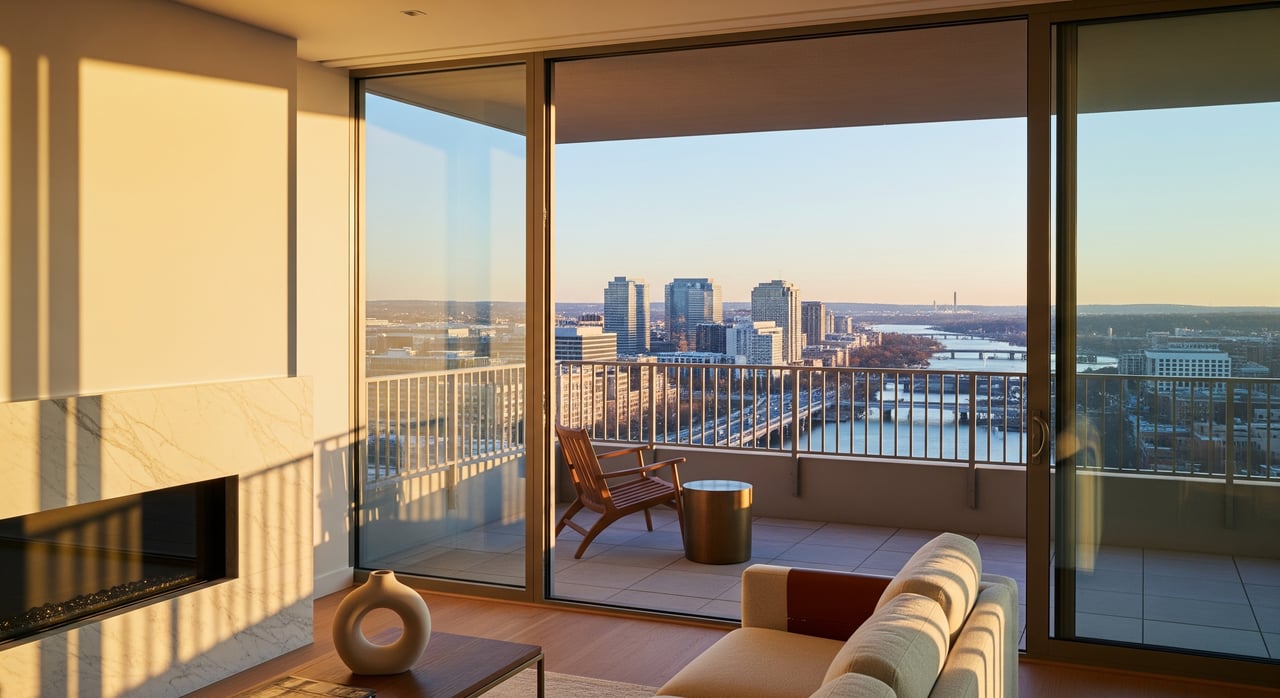
Arlington blends urban corridors with quieter residential blocks. You will find high-rise living near Metro stations, mid-rise buildings along major streets, and tree-lined neighborhoods in between. For county services, parks, and community updates, explore the official resources on Arlington County’s website.
Arlington offers multiple ways to get where you need to go. Your experience will depend on your neighborhood and typical destinations.
If you live near Rosslyn, Courthouse, Clarendon, Ballston, Crystal City, or Pentagon City, daily transit is straightforward. These stations form the backbone of Arlington’s high-density corridors, with frequent trains into downtown D.C. and other job centers. For station details and service maps, start with the Metro system map.
Away from rail, Arlington Transit (ART) and regional Metrobus routes fill the gaps with local connections to shops, schools, and Metro stations. Schedules vary by time of day, but most neighborhoods have at least one bus route within a short walk. County updates and transportation information are available through Arlington County.
Driving is common in Arlington, particularly for trips that cross the river at peak hours or for destinations not well served by transit. Major routes include I‑395, I‑66, Route 50, Columbia Pike, Lee Highway (US‑29), Glebe Road, and the George Washington Memorial Parkway. Expect normal rush-hour congestion on these arterials and bridge approaches.
Parking can be tight near Metro corridors. Many blocks use residential permit zones, so you will want to check neighborhood parking rules before you move. For current guidance and program details, consult Arlington County.
Arlington is bike and pedestrian friendly, especially along its multi‑use trail network. The Mount Vernon Trail runs by the river, and the Custis Trail links across the county to popular nodes. Protected and conventional lanes connect to neighborhood streets, which makes quick errands by bike realistic.
If you do not own a bike, the regional network has you covered. Use the Capital Bikeshare system to grab a bike for short rides between Metro stations, parks, and retail areas. To gauge walkability by neighborhood, you can review area scores on Walk Score’s Arlington pages.
Arlington’s neighborhoods each carry a distinct feel. Here is how the main areas line up with different lifestyles.
The Rosslyn–Courthouse–Clarendon–Ballston stretch is a high‑density, mixed‑use corridor anchored by multiple Metro stations. You will see mid‑ and high‑rise condos and apartments, busy sidewalks, and a concentration of dining, coffee, and nightlife. This corridor suits you if you want frequent transit, quick commutes to downtown, and a lively evening scene.
Housing here often includes full‑service buildings with amenities like gyms, package rooms, and roof decks. Street-level storefronts bring everyday conveniences downstairs, so many residents run errands on foot.
South of the riverfront, Crystal City and Pentagon City form a fast-evolving cluster that is part of the larger National Landing district. You will find high‑rise residential towers, office conversions, and new retail woven into a walkable grid near Reagan National and the Pentagon. If you value airport access, modern buildings, and proximity to tech and innovation jobs, this area should be on your list.
To understand current growth plans and the district’s role in the regional economy, explore the National Landing overview.
Columbia Pike is an urban corridor known for its mix of mid‑rise apartments, small storefronts, global restaurants, and community services. It is often more affordable relative to the highest‑cost corridors while still offering quick bus connections and steady redevelopment.
Nearby Shirlington delivers a compact, village-like setting with restaurants, shops, and arts venues. It is a popular weekend stop for brunch and shows, and a convenient place to meet friends without heading into D.C.
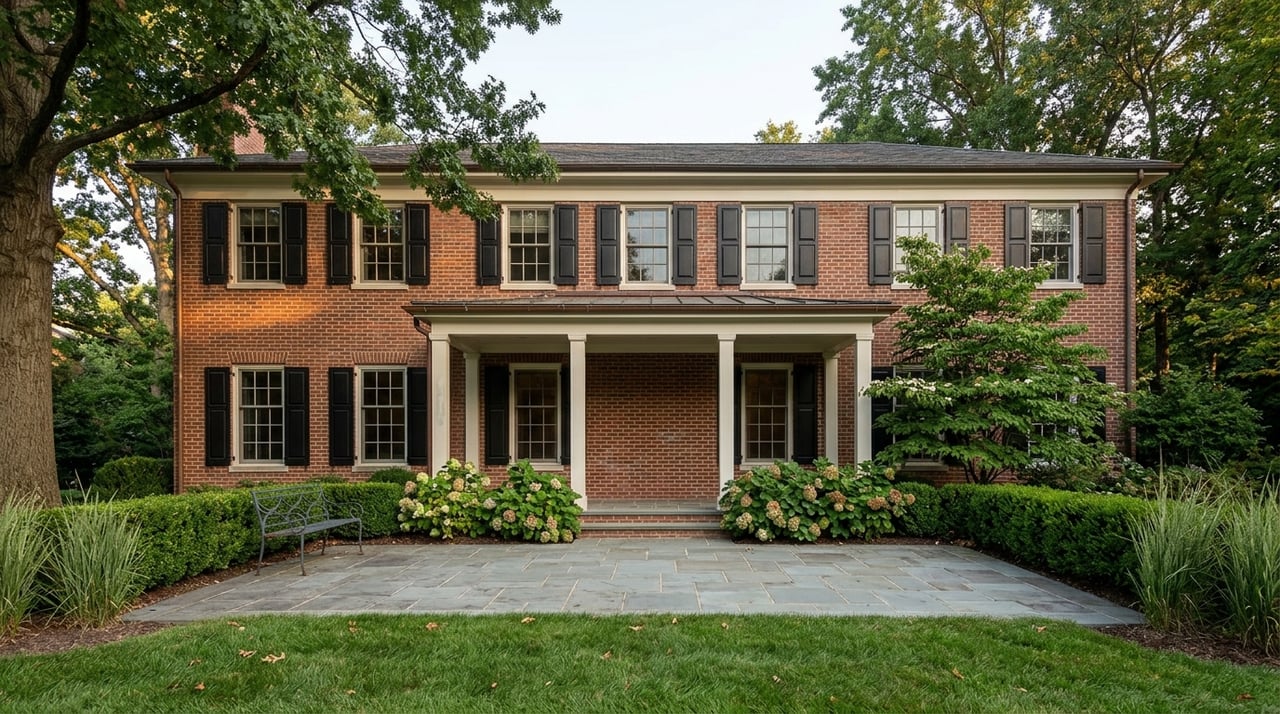
If you want a detached home and yard while staying close to urban amenities, look at neighborhoods like Lyon Village, Cherrydale, and Arlington Ridge. These areas feature single‑family homes on quieter blocks, with parks and community centers nearby. Many residents drive or bike to Metro, then commute by rail.
Families often consider school boundaries when comparing options. Arlington Public Schools (APS) serves the county. Because school data and boundaries change, review the latest information directly from official sources and confirm how they align with your address plans.
Daily conveniences are easy to reach across most of Arlington.
You will find national grocery chains, specialty markets, and neighborhood stores for quick pickups. Seasonal farmers markets pop up on weekends in several areas, offering fresh produce and local vendors. For schedules and park locations, check Arlington County’s parks and community pages.
For bigger retail days, Ballston Quarter and Fashion Centre at Pentagon City offer a wide selection under one roof. Along Wilson Boulevard and Columbia Pike, smaller retail strips bring together cafes, services, and grab‑and‑go eats.
Clarendon and Courthouse are known for their concentration of restaurants and bars, which draw crowds after work and on weekends. Ballston blends dining with newer food halls and casual spots. In Crystal City and Pentagon City, new concepts keep arriving as the area grows. Shirlington’s main street pairs patios with a steady arts calendar.
Wherever you land, you can hop a few stops on Metro for a different vibe in minutes, or cross the river to D.C. for a change of pace.
Arlington’s trail network and riverfront are major quality‑of‑life anchors. On any sunny weekend, you will see cyclists and runners on the Mount Vernon Trail and families gathering at parks across the county. Gravelly Point is a favorite for plane watching, and picnic spots dot the waterfront and neighborhood parks.
A typical weekend might start with a farmers market, a bike ride along the Custis Trail, and late lunch in Clarendon. In the evening, you could catch a show in Shirlington or hop the Metro into D.C. for museums and monuments. The point is simple: you have many ways to fill a day without a long car ride.
For park maps and facility updates, use the county’s resources on Arlington County. If you plan a car‑free outing, the Metro system site can help you plan routes that combine rail, bus, and walking.
No place is perfect for everyone. Arlington’s strengths come with tradeoffs you should weigh early in your search.
Arlington typically sits above national averages for housing costs and household income. Prices vary widely by neighborhood and building type, from mid‑market condos to upper‑end single‑family homes. For a high‑level snapshot of local demographics and income trends, review the U.S. Census QuickFacts for Arlington County, then ask for a neighborhood‑specific market update.
If you live near a Metro corridor, expect limited free street parking and more reliance on residential permits. Some buildings include garage spaces, which can simplify day‑to‑day routines. If you plan to keep a car, factor in typical peak congestion on I‑395, I‑66, and river crossings.
APS operates public schools across the county, and families often compare zones, commute routes, and after‑school options when selecting a neighborhood. Because policies and boundaries shift, review the latest information and confirm how it applies to a specific address before making a decision.
Arlington maintains robust county services, including police, fire, parks, and community programs. Conditions can vary by block, so it is smart to review recent updates and local reports through Arlington County when you narrow your search.
Arlington works best for people who value convenience, transit, and access to the region.
If you want a quick commute and a walkable routine, the Rosslyn–Ballston corridor or Crystal City and Pentagon City fit well. You can live near Metro, use Capital Bikeshare for short hops, and keep daily errands on foot.
If you want a yard, parks, and a quieter street rhythm, consider neighborhoods like Arlington Ridge, Cherrydale, or Lyon Village. You can still reach dining nodes and Metro in a short drive or bike ride, then enjoy more space at home.
If you travel often or split your time across D.C., Virginia, and Maryland, living near National Landing, Pentagon City, or Crystal City puts the airport and key job centers within minutes. The Metro network adds flexibility when traffic is heavy.
Choosing between a high‑rise near Metro and a tree‑lined block with a backyard comes down to your priorities. Our team guides you through those tradeoffs with neighborhood‑level insight, clear comps, and tailored tours. For sellers, we coordinate turnkey listing preparation, professional media, and Compass Concierge to help you present at your best. For buyers, we offer relocation support, virtual showings, and a curated vendor network for a smooth move.
If you are weighing a move, let’s talk through your wish list and map it to the right corner of Arlington. Reach out to Capitol Z Homes for local advice, neighborhood tours, and a plan that fits your timeline. Get your free home valuation.
Trust, Reliability and Knowledge. We are very passionate about the relationships we build and will always work relentlessly on your behalf to help you achieve your real estate goals.