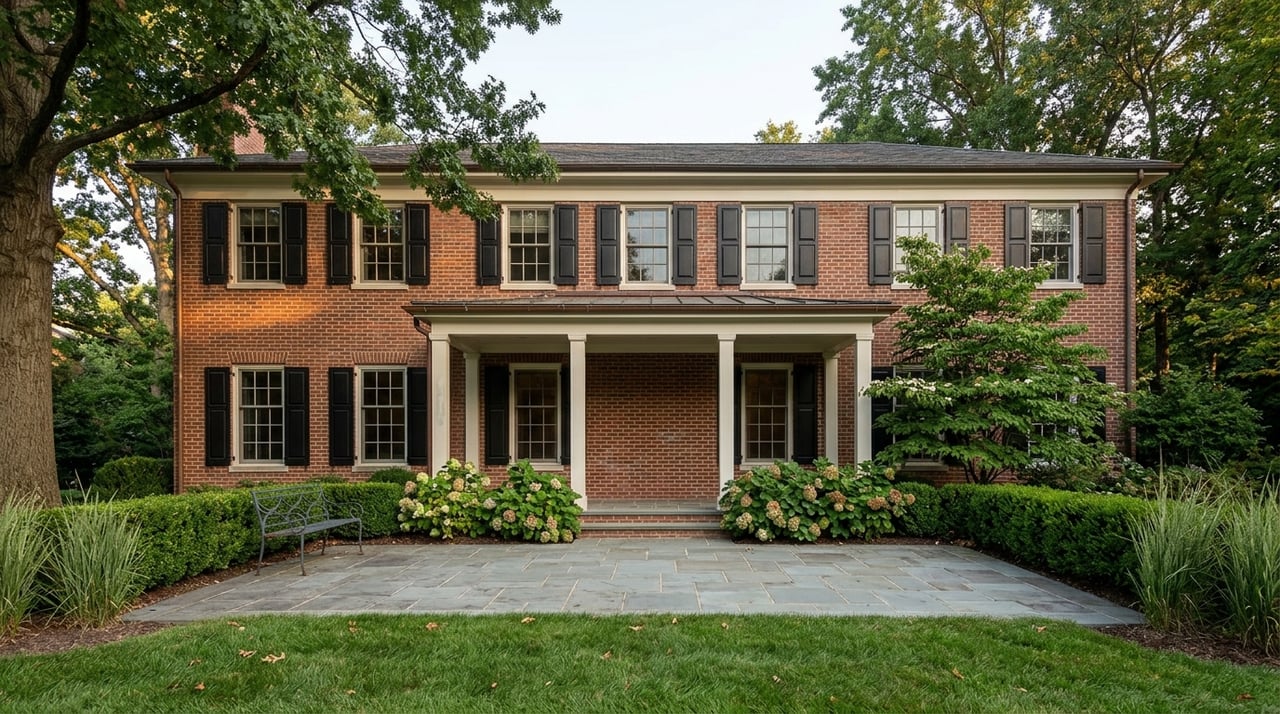
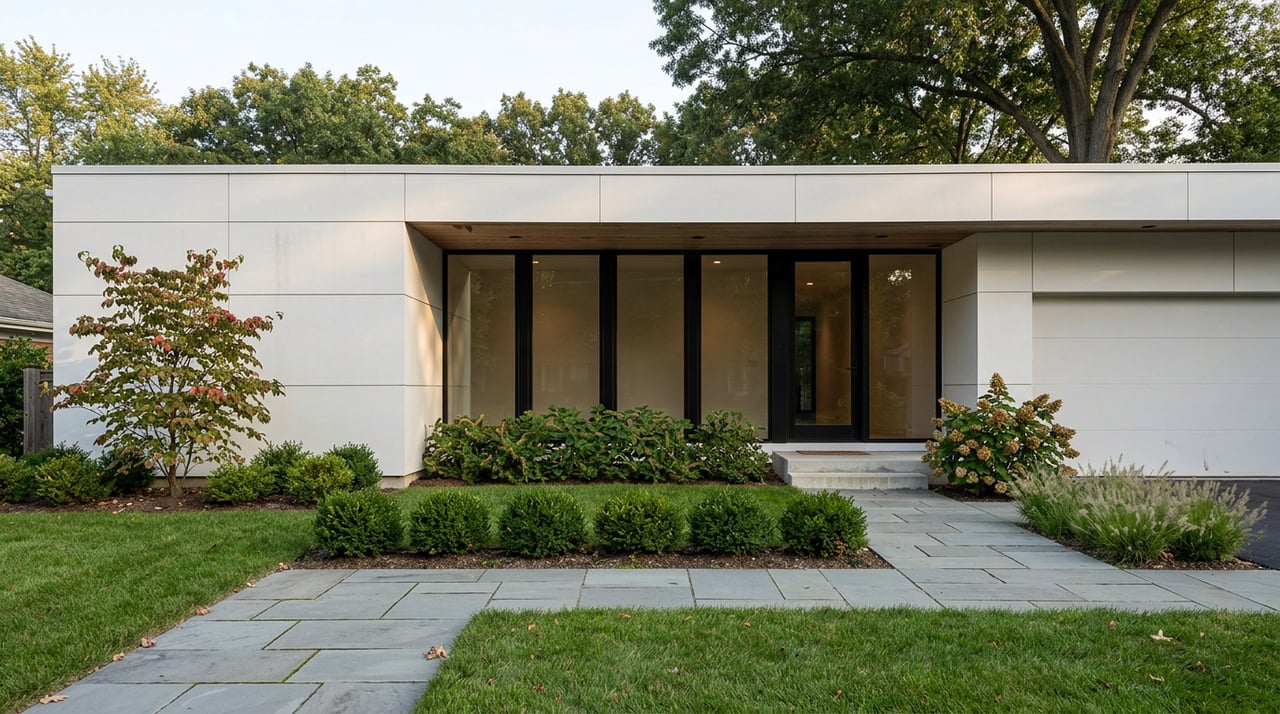
You want an easy commute and a home that fits your life. In Alexandria City, that often means choosing between a townhome and a condo near Metro, buses, or a quick drive to a park‑and‑ride. The right choice depends on how you get to work, how much maintenance you want to handle, and what you value day to day, like parking and outdoor space. In this guide, you’ll learn how Alexandria’s transit layout, condo or HOA rules, insurance, and financing shape your decision and your resale. Let’s dive in.
Alexandria transit at a glance
Five local Metro stations
Alexandria is served by five Metrorail stations: King Street–Old Town, Braddock Road, Potomac Yard, Eisenhower Avenue, and Van Dorn Street. The new Potomac Yard stop opened May 19, 2023, creating another walkable Blue and Yellow Line option in northeast Alexandria. You can review station details on the WMATA station guide.
Why Potomac Yard matters: the City highlighted the station’s opening and future development around it, which expands which blocks are “walk to Metro” for commuters headed to National Landing, the Pentagon, or downtown. For background, see the City’s note on the Potomac Yard station opening and commute planning and WMATA’s Potomac Yard project page.
Beyond Metro: buses and rail redundancy
If you want backup options, Alexandria offers DASH local buses, Metrobus routes, and regional rail at Alexandria Union Station (VRE and Amtrak) next to King Street. The City’s Mobility page is a solid starting point, and WMATA’s Trip Planner can help you compare door‑to‑door routes when service changes.
Station parking realities
Not every station works the same for drivers. Van Dorn Street includes a park‑and‑ride lot with hundreds of spaces, which can be a game‑changer if you prefer to drive to Metro. Check the Van Dorn Connector overview for context. Potomac Yard, on the other hand, was intentionally built without commuter parking and focuses on walk, bike, and bus access, as noted on the WMATA Potomac Yard page. If guaranteed station parking matters to you, weigh these differences early.
Townhome vs. condo: daily life basics
Ownership and maintenance
- Condo: You typically own the interior of your unit. The association owns and maintains common elements such as the building exterior, roof, shared systems, corridors, and amenities. Your monthly condo fee helps fund that maintenance, insurance, and reserves. The tradeoff is less hands‑on upkeep for you but a structured budget and rules set by the association.
- Townhome: You often own the structure and the land, with an HOA that may cover landscaping, snow removal, and shared amenities. You’ll usually handle more exterior maintenance over time, but you get more autonomy and often a private garage, driveway, or yard.
If your top priority is minimal maintenance and you want to live closest to transit, a condo near King Street–Old Town, Carlyle, Braddock Road, or Potomac Yard might make sense. If you want private outdoor space or a garage and can be a short bike or bus ride to Metro, a townhome could be the better fit.
HOA and condo governance in Virginia
In Virginia, association health directly affects your day‑to‑day fees and long‑term resale. Under the Virginia Condominium Act, associations must conduct reserve studies on a five‑year cycle and review reserve funding annually. Budgets must disclose reserve levels and planned contributions. You can read the statute in the Virginia Condominium Act, Chapter 19.
What this means for you: a sound reserve plan and clear budgeting reduce the risk of future special assessments. When you review a condo or HOA packet, look for the budget, the latest reserve study, recent financial statements, meeting minutes, and insurance details. If reserves look thin relative to upcoming projects, plan for higher dues or ask about timing of major repairs.
Insurance: HO‑6 vs homeowners
- Condos: Unit owners usually carry an HO‑6 policy for interior finishes, personal property, personal liability, and certain loss‑assessment coverage. The association carries the master policy that covers exterior and structure per the declaration. Learn the HO‑6 basics from this condo insurance primer, then confirm whether your building is “bare walls in” or “all‑in.”
- Townhomes: You’ll more often carry a standard homeowners policy that covers the structure and your property. Exact coverage depends on the HOA documents, since some townhome communities insure portions of the exterior. Always verify what the association covers.
Parking, outdoor space, and your commute
Parking and outdoor space shape everyday life as much as bedroom count.
- Parking: Townhomes often include a private garage or driveway, which is helpful if you drive to a park‑and‑ride or manage family logistics. Condos vary widely. Some buildings include assigned garage spaces, while others rely on public garages or on‑street options. If you will use on‑street parking in Old Town or nearby districts, review the City’s Residential Parking Permit Program facts and the 72‑hour rule for vehicles left on public streets.
- Outdoor space: Townhomes typically offer a patio, small yard, or roof deck. Condos usually offer a balcony and shared courtyards or rooftop amenities. For many commuters, transit access outweighs the yard tradeoff, but outdoor space can matter for your lifestyle and future resale.
Potomac Yard’s design emphasizes walking, biking, and bus connections, not on‑site commuter parking. If your plan is a car‑free or car‑light lifestyle, living within a short walk of that station or Braddock Road can cut your door‑to‑door time significantly. If you need to drive and park daily, look at Van Dorn Street or a townhome with a private garage, then use DASH or Metrobus for first‑mile connections.
Financing and resale factors in Alexandria
Condo project eligibility affects loans
FHA, VA, and conventional agency rules can limit or expand your buyer pool at resale. Some condo buildings are pre‑approved by FHA or VA, while others require a single‑unit approval. That extra step can slow or block a deal for certain buyers. Before you bid, ask your lender about the building’s approval status and typical criteria like owner‑occupancy ratios, reserves, insurance, and litigation. For a practical overview, see this FHA condo approval guide.
Who buys what, and why it matters
- Condos near Metro often attract first‑time buyers and investors, which can support steady demand as long as the association stays healthy and financing access is broad.
- Townhomes usually appeal to buyers who want more space, a private garage, or a yard. In close‑in corridors, that “land premium” can support long‑term value.
Transit proximity adds a premium for both types. Units that are truly walk‑to‑Metro often command higher prices per square foot, while townhomes within a short bike or quick bus connection to a station tend to draw space‑seekers who still care about commute time.
Which one fits your commute? Quick profiles
- Choose a condo if you want a low‑maintenance lifestyle, a short walk to a Metro entrance, in‑building amenities like bike storage, and you are comfortable with monthly condo fees and association rules.
- Choose a townhome if private outdoor space, a garage or driveway, and long‑term flexibility are higher priorities than living directly on top of a station. You may trade a few extra minutes in your first‑mile connection for more daily convenience at home.
On‑the‑ground checklist before you bid
Use this simple field checklist to confirm that a listing matches your commute and budget:
- Walk the AM route to the nearest station. Time it and check sidewalk quality and lighting. Use WMATA’s tools from the station guide to compare routes.
- Test parking. If there’s no private garage, visit on a weekday evening and a weekend afternoon to see on‑street availability. Review the City’s Residential Parking Permit Program facts and guest rules.
- Confirm station amenities. If you plan to drive to Metro, note that Van Dorn Street offers park‑and‑ride, while Potomac Yard focuses on walk, bike, and bus.
- Ask for the association packet up front. Request the current budget, last 2–3 years of financials, the latest reserve study, insurance declarations, recent meeting minutes, rental and pet policies, parking rules, and any litigation or special assessment history. Virginia’s reserve study and budgeting rules live in the Condominium Act, Chapter 19.
- Verify insurance needs. For condos, confirm what the master policy covers so you can right‑size your HO‑6. For townhomes, confirm what the HOA covers on the exterior.
- Check financing friction. Ask your lender about FHA/VA or agency eligibility for the building and whether a single‑unit approval is realistic if the project is not already approved.
Neighborhood snapshot for commuters
- Old Town and King Street: Strong walkability, close to King Street–Old Town Metro, VRE, and Amtrak. A mix of condos and higher‑end townhouses. Great if you want multi‑modal options without a car.
- Carlyle, Eisenhower East, and Braddock Road: Mid‑rise condos and newer projects geared to commuters. Many buildings offer assigned garage parking and easy airport access via Blue and Yellow lines. Check the WMATA station guide for line details.
- Potomac Yard and North Potomac Yard: Rapid growth around the new station with both townhomes and condos and a strong walk‑and‑bike framework. Review the City’s Potomac Yard opening overview to understand how the area is evolving.
Final thoughts
Both condos and townhomes in Alexandria can deliver a smooth commute. Focus on your daily route, parking needs, appetite for maintenance, and the health of the association’s finances. If you want the shortest walk to Metro and a low‑touch lifestyle, a condo near King Street–Old Town, Braddock Road, Carlyle, or Potomac Yard may be the best fit. If you want a private garage, more space, and outdoor living, a townhome a short ride from Metro can strike the right balance.
When you’re ready to compare specific buildings and neighborhoods, talk with a local team that knows the transit and association details that matter. Reach out to Capitol Z Homes to map your commute, shortlist the right communities, and move forward with confidence.
FAQs
What’s the main difference between a condo and a townhome in Alexandria?
- Condos typically cover exterior and shared elements through the association, which you fund with monthly dues, while townhome owners usually maintain more of the structure and enjoy more private space and parking.
How does the new Potomac Yard Metro station help commuters?
- Potomac Yard adds a walkable Blue and Yellow Line option in northeast Alexandria and anchors new development, which expands “walk to Metro” choices for trips to National Landing, the Pentagon, and downtown.
Is there parking at Alexandria Metro stations if I drive to the train?
- Van Dorn Street offers a park‑and‑ride lot with hundreds of spaces, while Potomac Yard was designed without commuter parking and emphasizes walk, bike, and bus access.
Which HOA or condo documents should I review before buying?
- Ask for the current budget, recent financials, the latest reserve study, insurance declarations, recent meeting minutes, rental and pet policies, parking rules, and any special assessments or litigation disclosures.
What insurance will I need for a condo or a townhome?
- Condo owners usually carry an HO‑6 policy for interior coverage and liability, while townhome owners often carry a standard homeowners policy for the structure and property; always verify what the association’s master policy covers.
How do FHA or VA approvals affect buying a condo in Alexandria?
- If a building lacks FHA or VA approval, some buyers may still qualify through single‑unit approvals, but it can slow or limit financing; ask your lender to confirm project eligibility before you bid.