Jumbo Loan Basics For McLean Buyers
January 8, 2026
January 8, 2026
Shopping for a home in McLean and hearing the term “jumbo loan” a lot? You are not alone. Many homes in McLean price above the standard mortgage limits, which means your financing may fall outside the conforming range. In this guide, you will learn what counts as jumbo, how it affects rates and requirements, and the smart steps to qualify with confidence. Let’s dive in.
A conforming loan is a conventional mortgage that meets Fannie Mae and Freddie Mac limits and guidelines. These loans are widely available and follow standardized underwriting.
A jumbo loan is any mortgage that exceeds the county’s conforming limit or falls outside agency criteria. Jumbo loans are usually offered by portfolio lenders or specialty investors, so underwriting can vary by lender.
For 2024, the national baseline conforming limit for a one-unit primary home is $766,550. High-cost areas can have limits up to $1,149,825. The Federal Housing Finance Agency updates county designations each year, so you should check the current Fairfax County limit before you write an offer.
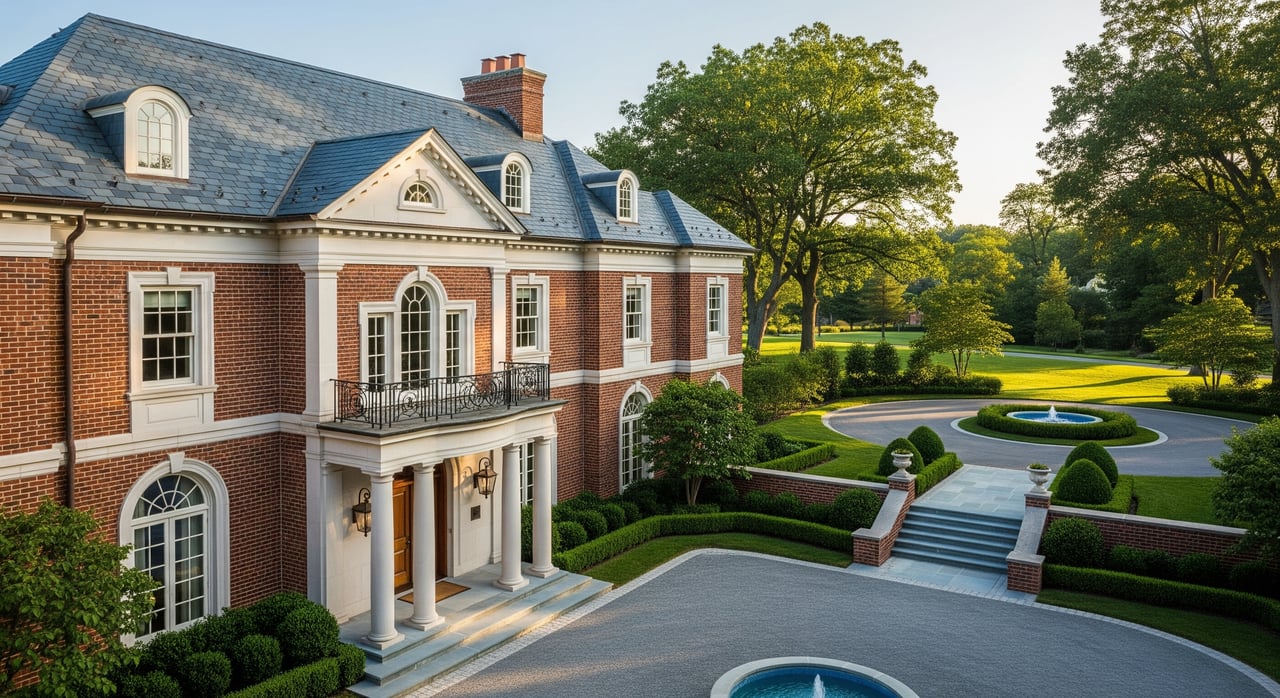
Many McLean single-family homes and renovated properties list above the 2024 baseline. Whether your loan is conforming or jumbo comes down to your loan amount after the down payment.
Example A: $950,000 purchase
Example B: $1,300,000 purchase
For multi-unit properties, conforming limits are higher than for single-unit homes, so the jumbo threshold changes. Always confirm the current limit for the property type and county.
Jumbo rates can be slightly higher than conforming rates. Market conditions sometimes make them comparable or lower. Your final rate depends on credit score, down payment, loan amount, and lender pricing.
Conforming loans often allow higher loan-to-value ratios. Jumbo lenders commonly cap LTV around 80 to 90 percent for primary homes. For many McLean purchases, a 20 percent or larger down payment can unlock better pricing and more options.
Conforming loans can approve borrowers with scores starting around 620, though best pricing is higher. Jumbo loans often expect stronger profiles, commonly 720 to 760 plus for top pricing, with debt-to-income ratios usually at or below the mid 40s. Self-employed buyers may see tighter rules.
Conforming reserve needs vary. Jumbo loans often require more cushion, commonly 6 to 12 months of principal, interest, taxes, and insurance. Higher-priced purchases may need even more documented reserves.
Conforming loans use standard documentation. Jumbo loans usually verify assets more closely, require sources for large deposits, and expect thorough income documentation. Self-employed buyers may need two years of returns or specialty programs that price differently.
Appraisals on higher-value properties can be more detailed and may take longer. Some lenders request additional comps or appraisal reviews. Build extra time into your contract if you expect a complex valuation.
Conforming loans are widely available. Jumbos come from large banks, regional banks, credit unions, private banks, and mortgage brokers. Portfolio lenders may offer flexible terms for established customers.
Understanding how buyers finance at McLean price points helps you evaluate offer strength and timelines. Jumbo approvals can take longer, and appraisals may be more complex. Concessions, such as credits for rate buydowns, can expand your buyer pool and keep deals moving.
If you expect your purchase to land near or above the conforming limit, start your lender conversations early, run the down payment scenarios, and plan for reserves. When you are ready to tour, we will help you match the right home to the right financing timeline and strategy. Connect with the local team at Capitol Z Homes to plan your next move in McLean and across Northern Virginia.
Trust, Reliability and Knowledge. We are very passionate about the relationships we build and will always work relentlessly on your behalf to help you achieve your real estate goals.