Moving to Alexandria VA: Neighborhoods, Costs & Commutes
December 25, 2025
December 25, 2025
Thinking about moving to Alexandria City but not sure where to start? You might be weighing commute times, neighborhood feel, and what it really costs to live close to D.C. You’re not alone, and the good news is you have options. In this guide, you’ll get a clear, practical overview of Alexandria’s neighborhoods, transit, and costs, plus a checklist to smooth your move. Let’s dive in.
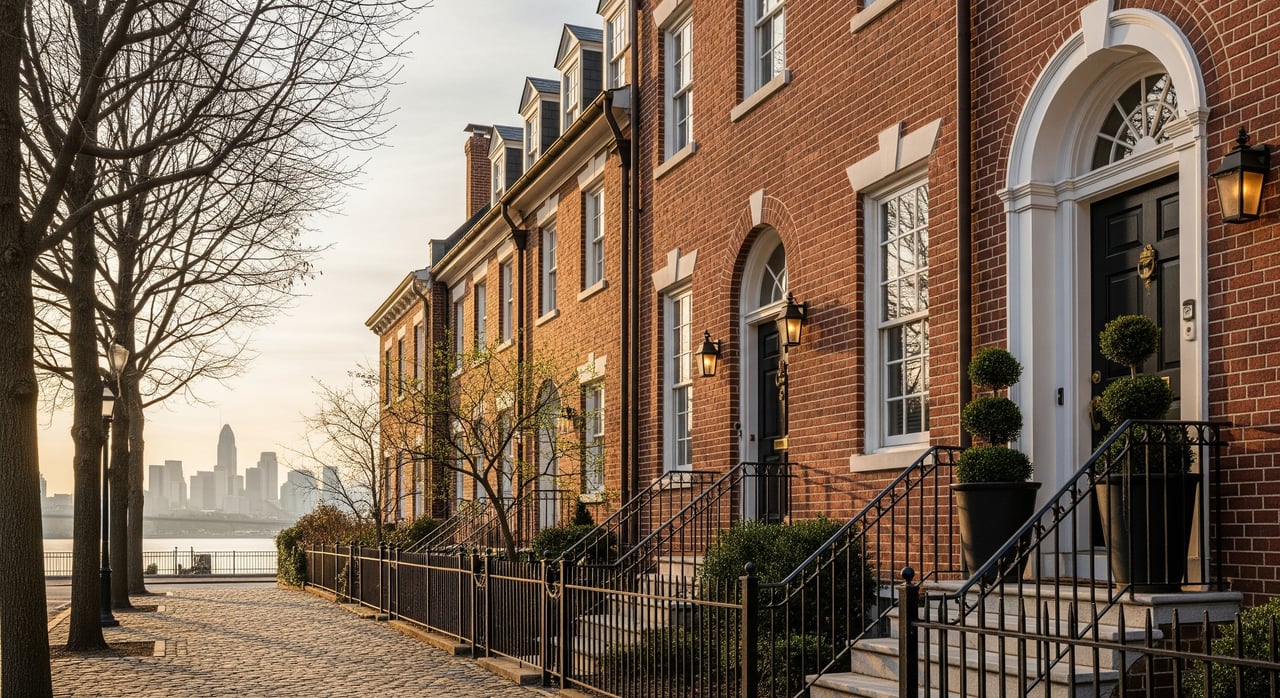
Alexandria is an independent city in Northern Virginia right on the Potomac River, just south of Washington, D.C. You’ll find a mix of historic streets, mid-century neighborhoods, and newer mixed-use hubs. Housing ranges from brick rowhouses and single-family homes to condos and high-rise apartments. Proximity to D.C. drives demand and prices, so location choices often come down to tradeoffs between cost, commute, and lifestyle.
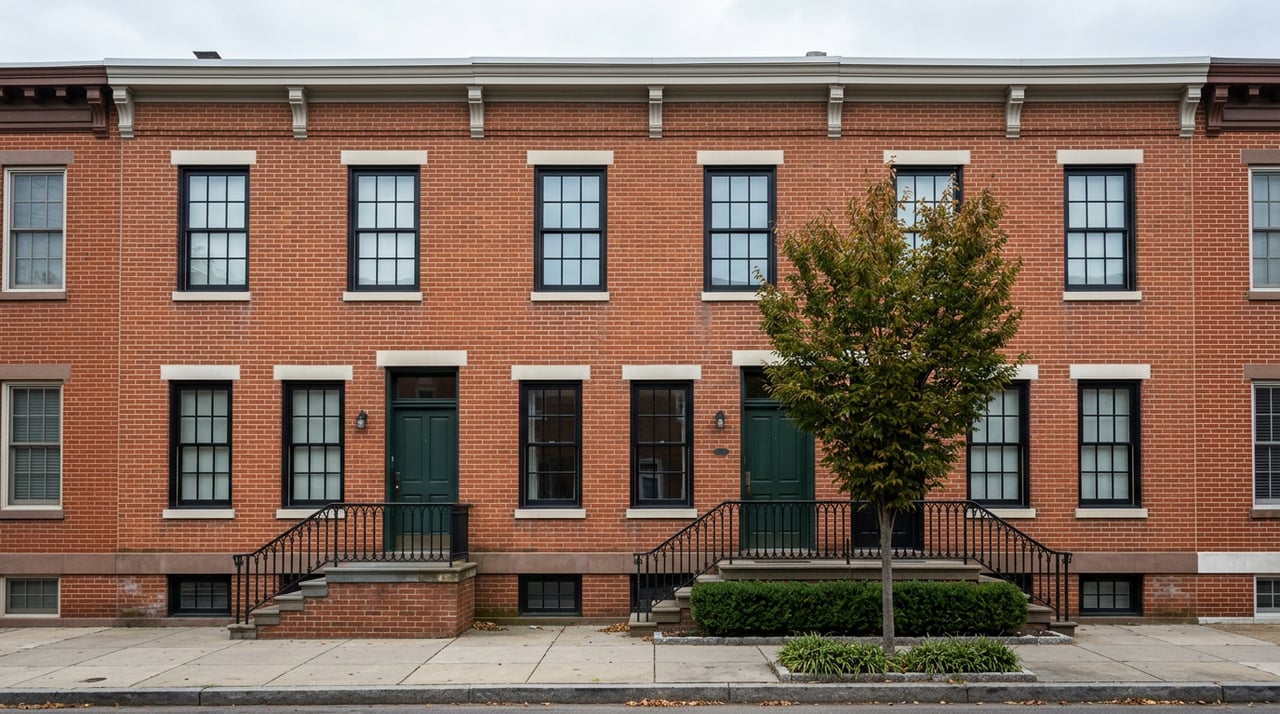
Old Town is the historic heart of Alexandria with brick sidewalks, waterfront parks, and boutiques along King Street. Housing leans toward historic rowhouses, townhomes, and boutique condos. You’ll love the walkability and dining, though on-street parking can be tight. If you buy in a designated historic area, expect design review for exterior changes.
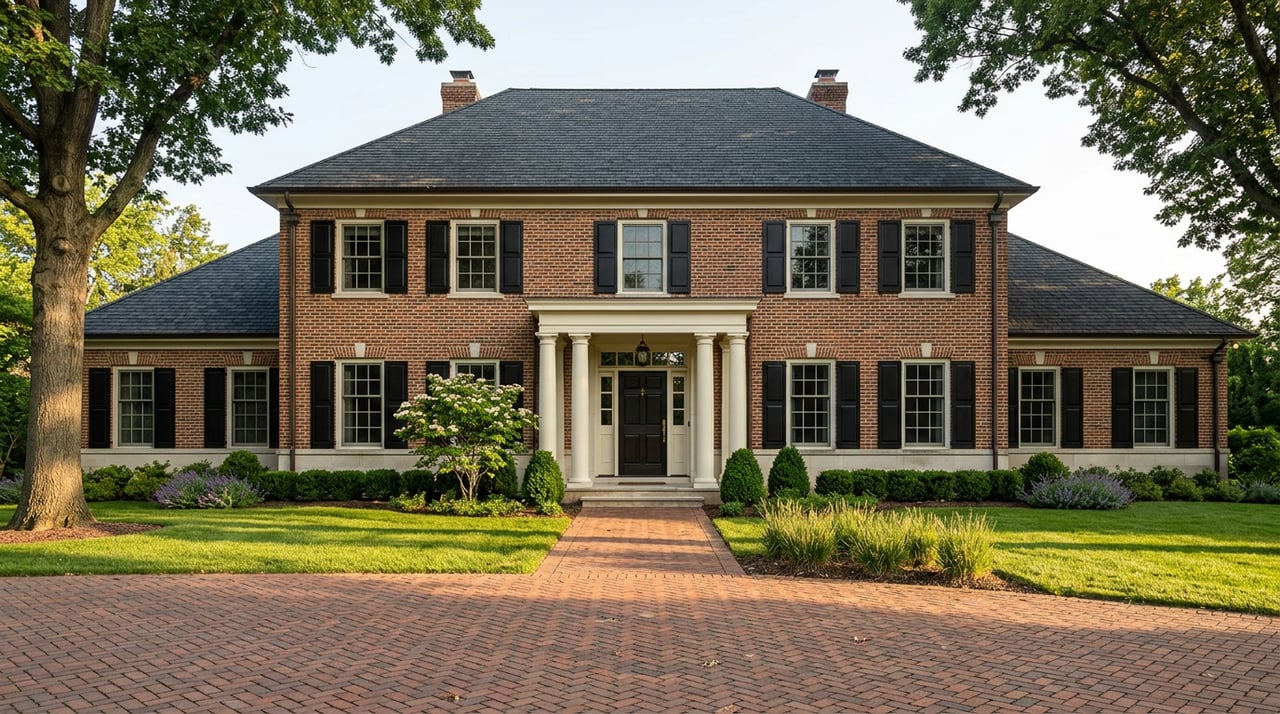
North of Old Town, Del Ray centers on Mount Vernon Avenue with local shops, cafés, and regular community events. You’ll see bungalows, single-family homes, and townhomes with more yard space than Old Town. Many streets are walkable to dining and parks. Pricing is often lower than Old Town but still reflects strong demand for access and charm.
These areas feature modern, mixed-use development with new condos, townhomes, and apartments. The new Metrorail service nearby is a major perk for commuters, and retail continues to expand. Expect contemporary amenities and HOA or condo fees that cover services and features. Ongoing development means the retail mix is still evolving in some blocks.
The West End is varied, with garden-style apartments, larger condos, and single-family pockets. It offers relatively more space and access to major roads like I-395. Walkability changes street by street. You can often find a wider range of price points than in central neighborhoods.
Seminary Hill and nearby areas offer traditional single-family homes with more yard space while keeping you close to central Alexandria. Cameron Station features planned-community townhomes and condos with community amenities. The Braddock corridor includes historic blocks and transit access. Traffic noise can rise near I-395 and major arterials, so check street-level conditions.
Southwest Alexandria has a more suburban feel with shopping centers and a mix of apartments, garden-style communities, and single-family homes. This area can be more budget-friendly relative to Old Town and Potomac Yard. Commutes into D.C. often involve longer drive or bus times. It’s a practical fit if you want space and value over immediate waterfront access.
Alexandria is well connected to Metrorail with stations in and near Old Town, Eisenhower, Carlyle, and Potomac Yard. Rail service provides direct access into downtown D.C. and transfer points across the region. Review the WMATA Metrorail map and stations when comparing neighborhoods, and check service advisories if you commute during off-peak hours.
The city’s DASH system runs frequent local routes, including free circulators in some areas. It connects neighborhoods to rail stations and key corridors. Explore the DASH bus network to see how different addresses align with frequent service.
For some schedules and routes, commuter rail can be a stress-free alternative to driving. The Virginia Railway Express commuter rail and Amtrak serve Alexandria, with connections to downtown D.C. and beyond. Check timetables before you decide if this option fits your routine.
Major routes include I-395, I-95 connections, U.S. Route 1, and the George Washington Memorial Parkway. Managed lanes and congestion patterns can affect drive times, especially during rush hour. Biking is growing, with local lanes and trails, and walkability is strong in Old Town and newer mixed-use areas.
Costs vary widely by neighborhood, housing type, and lifestyle. Old Town and Potomac Yard tend to command higher prices per square foot, while parts of the West End and southwest corridor often offer more attainable options. Always compare address-level data for both purchase and rental properties.
In denser parts of Alexandria, planning your move early pays off. Here’s a quick checklist:
Public schools in Alexandria assign by address, and private options are available across Northern Virginia and D.C. Always verify current boundaries and enrollment policies directly with the school system. Neutral, address-specific research is your best guide.
Crime and safety vary by neighborhood and block. Review multi-year trends with official police data before drawing conclusions. Parks, trails, and waterfront access are major lifestyle perks, along with a strong food scene in Old Town, Del Ray, and Potomac Yard.
Potomac Yard, Carlyle, and the Eisenhower corridor continue to add housing, retail, and transit access. New inventory and amenities can shift neighborhood dynamics and support values over time. Keep an eye on regional transportation projects and transit service updates from WMATA’s system resources.
Start with your priorities: commute time, walkability, budget, and home type. If you want historic charm and dining at your door, Old Town is hard to beat. If you want newer construction and direct rail access, Potomac Yard and Carlyle are strong options. For more space and varied price points, explore the West End, Seminary Hill, and the Landmark-Van Dorn-Beauregard area.
Ready to explore homes that fit your lifestyle and budget in Alexandria? Reach out to the local team at Capitol Z Homes for neighborhood-level guidance, private tours, and a smart plan for your move.
Trust, Reliability and Knowledge. We are very passionate about the relationships we build and will always work relentlessly on your behalf to help you achieve your real estate goals.